
Commercial Roofing in La Verkin, UT
La Verkin Overview
A maintenance calendar does more for a commercial roof in La Verkin than any single repair, because small defects stay small when someone checks them twice a year. Washington County lists La Verkin as a city with its own licensing division, and the county's transportation map places SR-9 and SR-17 among the regional arterial and collector routes. Permit and zoning checks go to the city, and licensing is verified before work is accepted. With that path clear, the roof gets a baseline commercial roof inspection, and from the baseline we build a visit schedule that matches the building's operating schedule and the season.
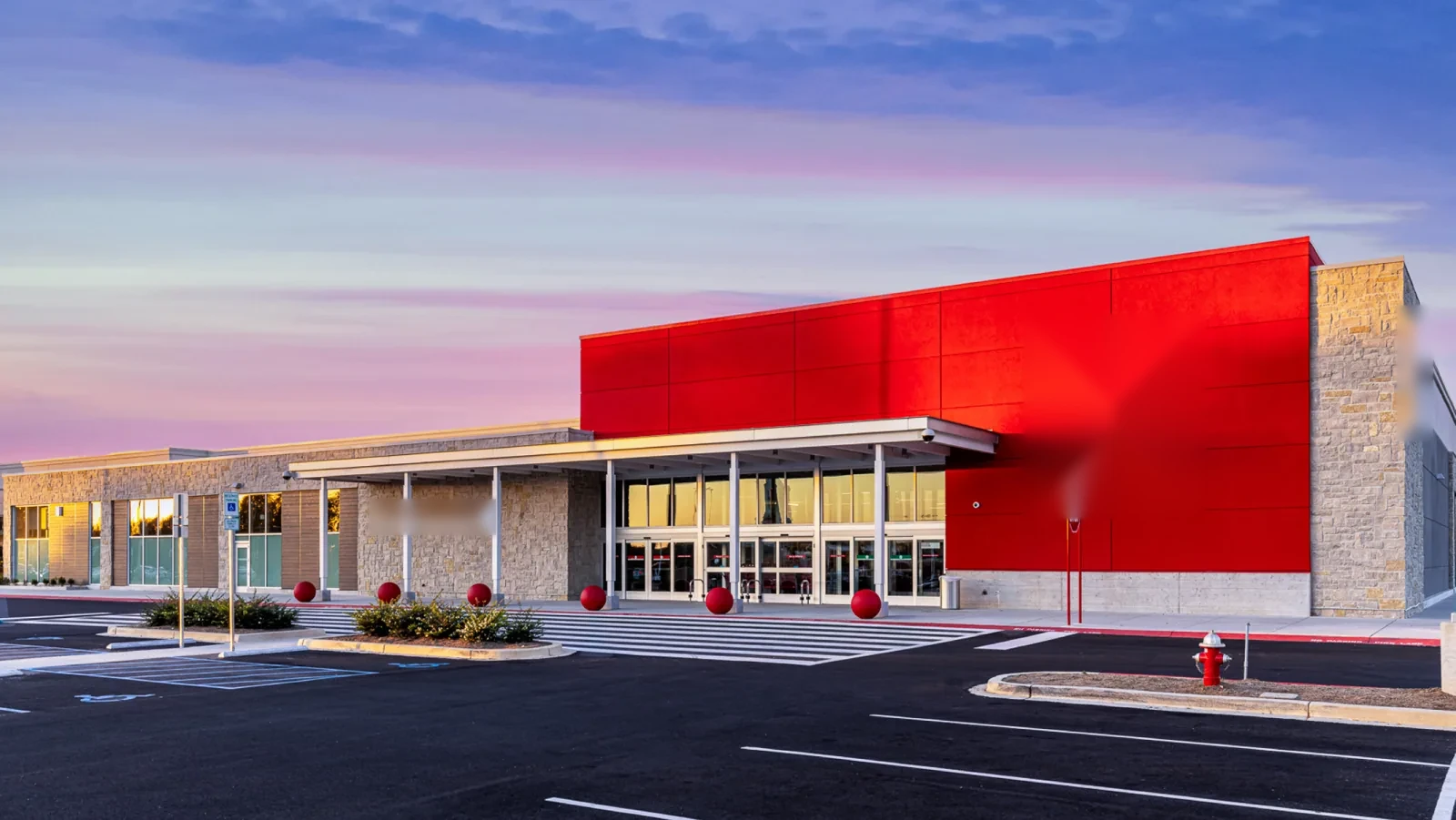
What does a twice-a-year roof visit actually cover?
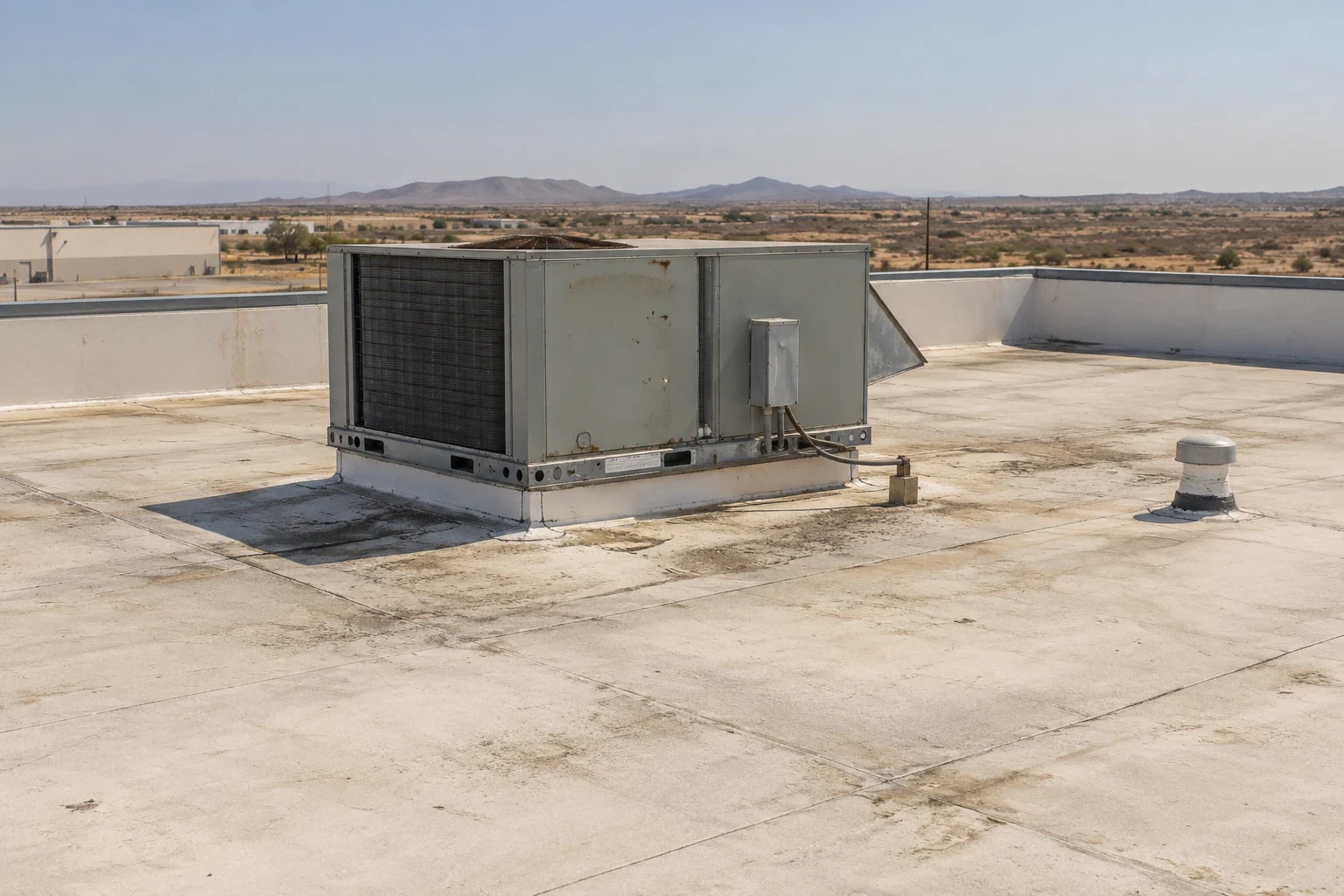
Each visit follows the same checklist so changes are visible. We clear drains and scuppers, then look at the strainers and the pipe connections. We walk the seams for lifting, open laps and punctures, then check every curb, vent, skylight and wall termination. Edge metal and coping are checked for loose fasteners and open joints. Equipment is inspected for leaks that drip onto the membrane, because a failing condensate line can wear a surface faster than weather does.
We photograph each area, mark the location on a roof sketch and note whether the condition is stable, changed or new. After a few visits the file shows trends. A preventive roof maintenance program turns those photographs into planning data, so replacement is scheduled on evidence and not on a surprise leak.
Weather triggers extra visits. After a windstorm we check edge metal, loose debris and any equipment that moved. After the wetter late-winter months, when the station records its highest monthly precipitation at 1.38 inches in February, we look for new stains, new ponding and sealant that has softened. The visit schedule stays flexible so a small change does not wait for the next calendar date.
Why does thermal movement matter on a desert roof?
At the St. George station the July daily-high mean is 101.9 degrees and August is 99.9, while the roof cools overnight. A roof assembly expands in the day and contracts at night, and every material does so at a different rate. Membranes pull at their attachments. Metal slides against fasteners. Sealants stretch and eventually tear. Over years, that cycle works on every joint.
The places that fail first are the places where movement is restrained: a pipe boot, a corner flashing, a seam that crosses a change in deck direction. We look for hairline splits, pulled sealant and shiny scuff marks that show where parts have rubbed. Catching those early lets a small repair do the job of a large one. The St. George numbers describe the market, and the roof walk describes the building.
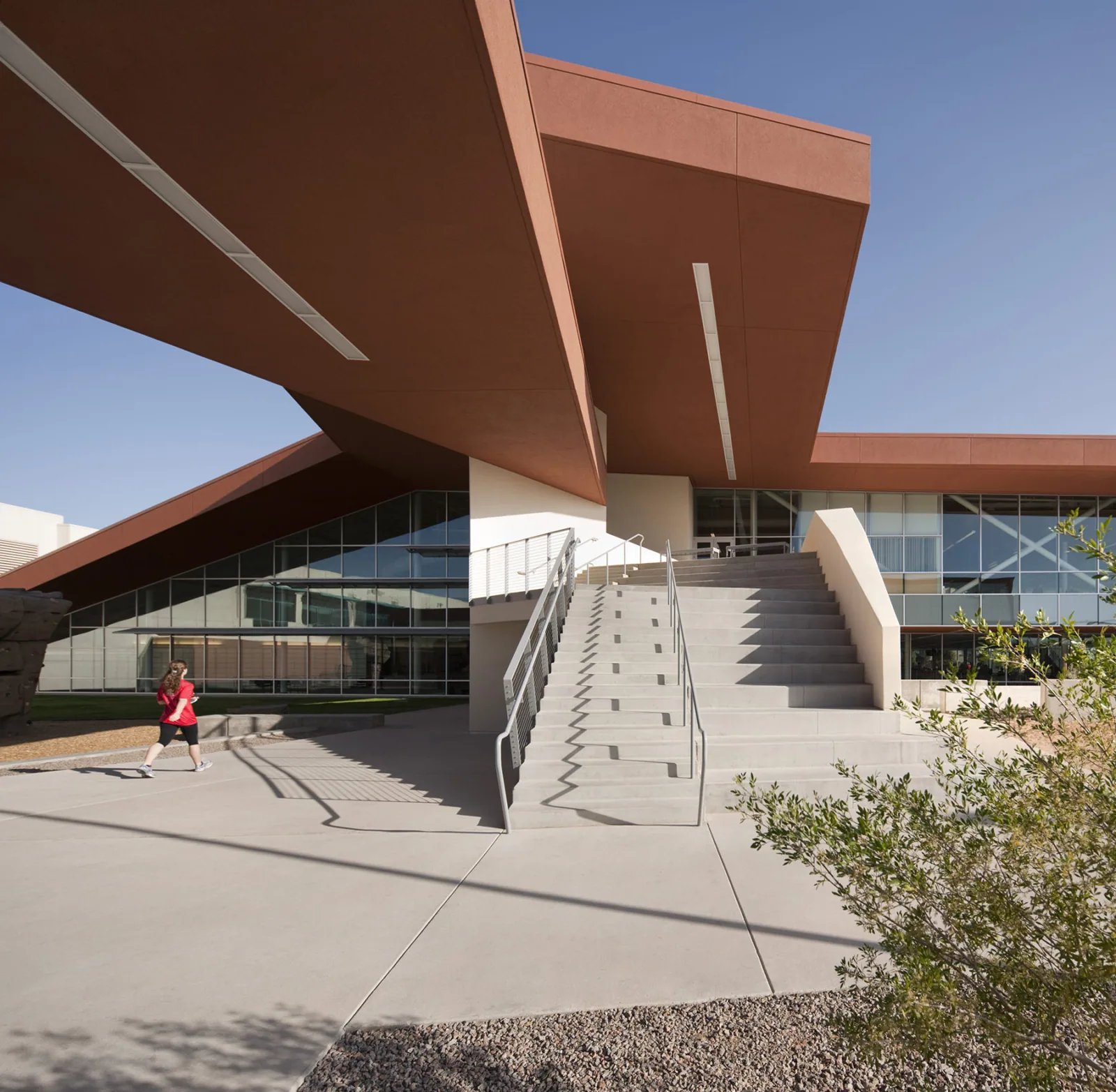
What stays in the maintenance scope and what becomes a repair?
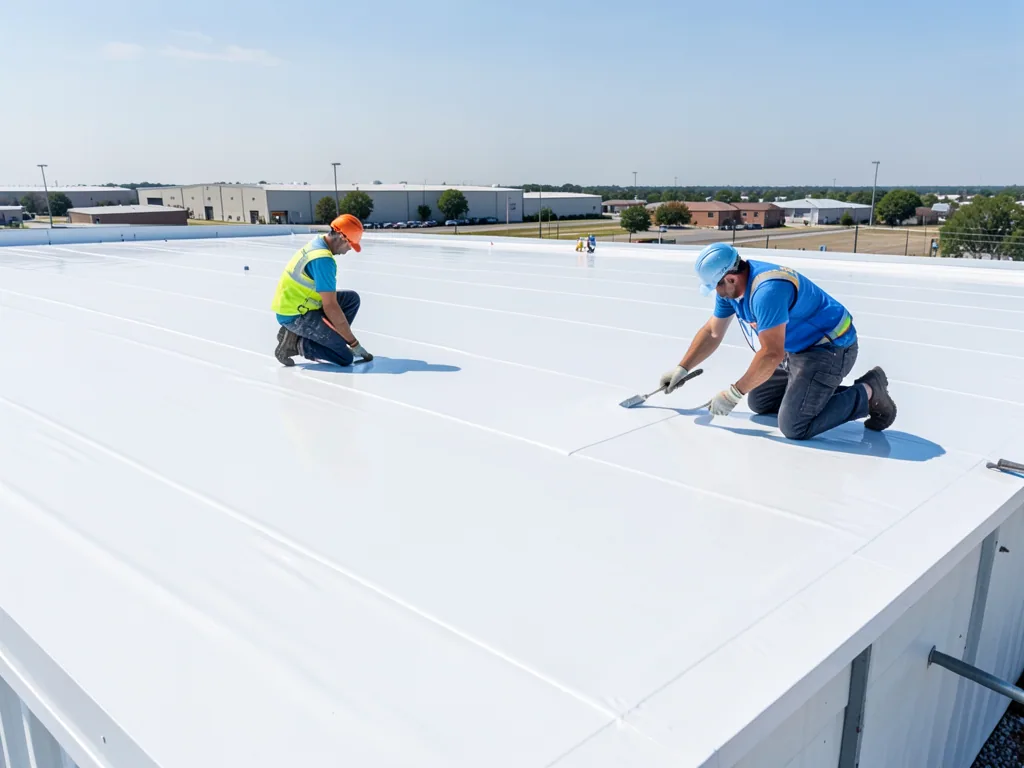
The line is drawn by how much work the condition needs. Clearing debris, tightening a loose fastener, resealing a small flashing and replacing a missing cap are maintenance. Cutting out a wet section, replacing damaged insulation or reflashing a curb are repairs and carry their own scope. Roof replacement and recovery are capital decisions.
We write each item with a label and a recommended timing, so the owner can approve maintenance items as they come and plan the larger ones. A commercial roof repair quote is separate from the maintenance visit fee, and the report explains why. When several repairs accumulate on the same area, we say so, since repeated patching of one spot often means the area has reached the end of its life.
Access and safety are part of scope too. A hatch that sticks, a missing guardrail at a roof edge or a skylight without a screen all change how a visit is run, and we list them as findings so the owner can fix the hazard before anyone gets hurt. A roof that cannot be walked safely cannot be maintained well.
How does the area's route network shape response and service?
The county map lists SR-9 and SR-17 in the regional network, and nearby places like Hurricane and Toquerville share those routes. That helps us group inspection visits. An owner with buildings in more than one town can have them scheduled in the same trip, reducing travel and keeping each report on the same format.
Each town has its own licensing and permit path, so the grouped schedule does not blur the paperwork. We keep notes for each jurisdiction and confirm the requirement before any work beyond routine maintenance. For urgent leaks, the route map helps us pick the fastest approach, and a call to the on-site contact settles the last turn.
A single-building owner gets the same discipline. The report is short, the photographs are dated and the next decision is named. A portfolio owner gets the same format across every roof, which makes it easy to compare condition and to rank which building should receive the next dollar of repair money.
How do inspection records feed a replacement budget?
Records make the capital conversation shorter. After two or three visits, we can show the owner how fast the roof is changing: how many seams opened, how many repairs recurred, how the moisture picture evolved. That evidence supports an estimate of remaining life. It is not a prediction made from the calendar age of the building, since an old roof in good shape may last longer than a newer one that was poorly installed.
With that estimate the owner can plan roof capital planning across several years. A building that needs replacement in a few years can be placed in a budget cycle, and the maintenance work between now and then is aimed at keeping the existing system watertight rather than extending it beyond its limit.
Recorded conditions also help in conversations with tenants and lenders. A dated file showing that drains were cleared, details were resealed and repairs were completed on schedule answers many questions before they are asked. If a claim ever arises, the same file separates sudden damage from long-term wear, which clarifies what the policy should cover.
Commercial Roofing Questions
How often should a small commercial roof be walked?
Twice a year is the pattern we recommend for most buildings, once before the hottest stretch and once after, with extra visits after a major storm or an equipment change. A roof with known problems may need more frequent checks.
Does La Verkin have its own contractor requirements?
The county lists La Verkin as a municipality with a licensing division of its own, and contractors are expected to verify the local requirement before taking work there. We confirm it as part of intake and tell the owner what the city needs.
What do I do between visits if I spot a stain?
Photograph it, note the date and the weather, and send it to us. A stain tells us where to look first, and many are old. If water is actively entering, call the emergency line and our crew will respond.
Can maintenance extend the life of an old membrane?
It can slow the rate of decline by keeping water out of the insulation and protecting details. It cannot restore a membrane that has lost its flexibility or its seams. The visit records show which situation applies.
Is roof access a problem for a visit?
Only when the hatch is locked, the ladder is damaged or the roof has no fall protection tie-off points. Tell us the access method and who holds the key. If the access is unsafe, we say so and recommend a fix before the visit.
What makes a maintenance report different from an inspection report?
A maintenance report tracks change. It compares the photographs and notes from each visit and says what moved, what was fixed and what is new. An inspection report records a single moment in detail, which is why we start with a baseline and then follow it with shorter visits.