
Commercial Roofing in Santa Clara, UT
Santa Clara Overview
Site-plan paperwork can set the order of work on a Santa Clara roof before anyone lifts a membrane. The town's planning department publishes its 2025 General Plan along with commercial-zone and site-plan materials, so we confirm the applicable land-use and permit path before quoting roof work. The county's transportation map lists Santa Clara Drive and Old Highway 91 among the arterial and collector routes, and the city of St. George's features map names Santa Clara as a local place, which is enough for route planning and not a claim about any one roof. The roof work starts with a commercial roof inspection that records the system as it stands, with summer heat shaping the start time for any walk.
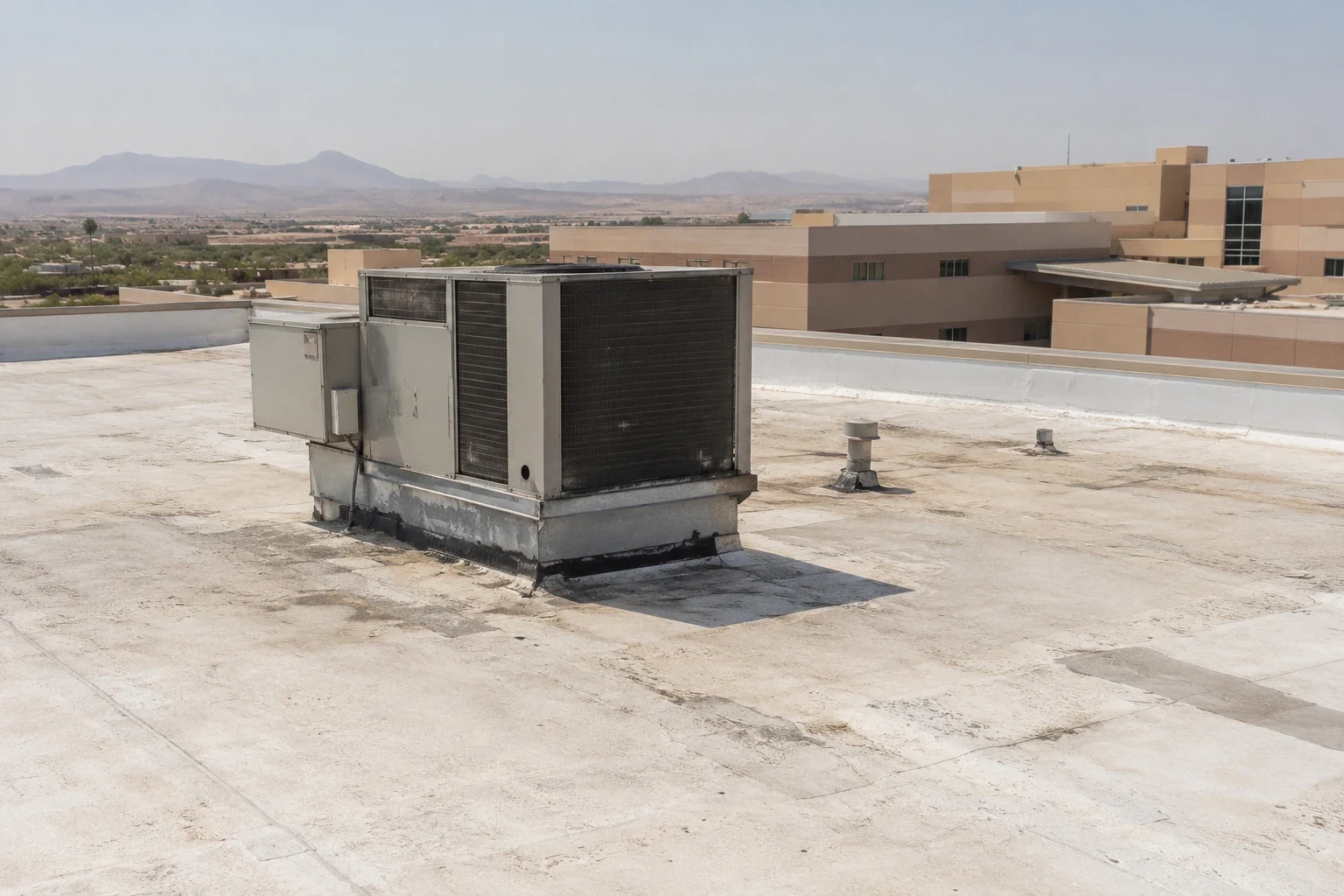
What do commercial-zone and site-plan materials change for a roof?
A roof replacement that leaves the building footprint alone usually moves through a simpler path than an addition or a change in use. Still, the zone and the site plan establish height limits, setbacks and screening rules for rooftop equipment, and those rules affect what we can do with parapets, curbs and equipment screens. If a roof plan calls for a taller parapet to hold added insulation, the zone limits are read before the idea goes into the estimate.
We ask for the site plan or the approved drawings when they exist. They tell us where the drains were meant to go, what the original roof slope was and which mechanical units were planned. When the building has changed since the drawings, the roof walk records the difference, and the owner receives a clean list of items to reconcile before a permit application is filed.
A site plan can also tell us about access. Fire lanes, loading areas and the placement of utilities all influence where a lift can stand and how far material must be carried. We take those constraints into the schedule early, since a crane that cannot reach the roof edge changes the method more than the membrane choice does.
How does a hot surface alter the Santa Clara work plan?
The St. George station's daily-high means are 101.9 degrees for July and 99.9 for August, and Santa Clara work is planned with those figures as the scheduling baseline while each roof is evaluated on its own. Dark membranes and exposed metal become uncomfortable and sometimes unworkable by mid-afternoon. Adhesives flash off quickly, primers tack too fast, and a weld that looks fine can be starved of proper bonding time.
So the crew arrives early and loads the roof before the sun climbs. Heavier tasks go first, and detail work that needs steady hands and cooler surfaces happens while the temperature allows. Lunch moves earlier, material stays shaded, and the last hour is for cleanup and a walk-through with the property manager. The result is a better install and a safer crew.
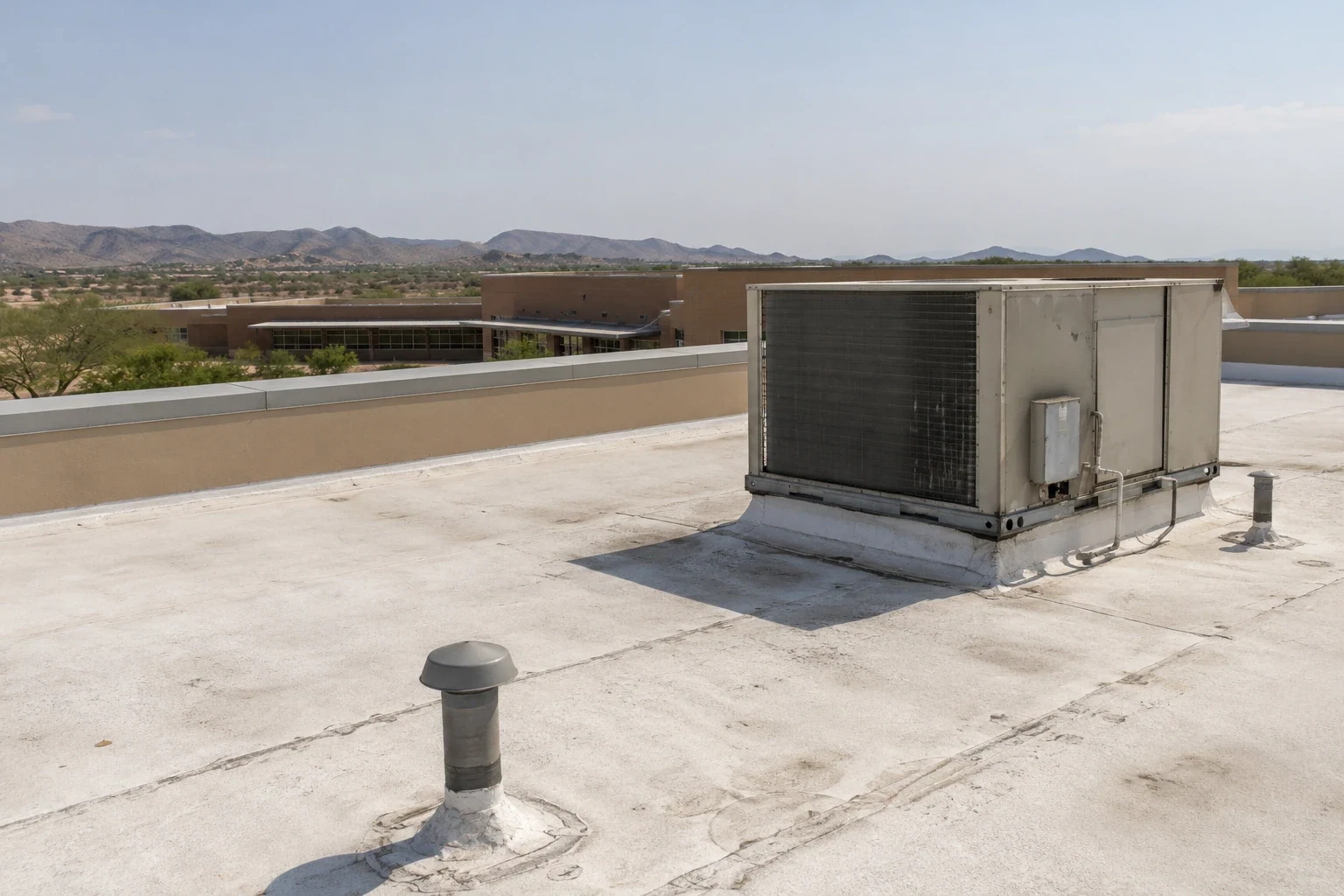
When does coating a Santa Clara roof beat replacing it?
A coating makes sense when the membrane or metal is still sound, the insulation is dry and the problems are surface-level: chalking, minor seam separation, faded sealant. A coating fails when it is put over trapped moisture, loose seams or rust that was not treated. We test before recommending, with an infrared moisture survey or core checks, and we repair the substrate first.
Restoration also reduces disruption. The building stays in use, no tear-off debris is created and the cost is generally lower than a new roof, though the exact comparison depends on how much repair precedes the coating. Our roof coating restoration approach starts by establishing the remaining life of the existing system, because a coating that extends a roof a few years but does not align with the owner's plans for the building is not a useful purchase.
Warranty paperwork enters here as well. If a prior installer left a manufacturer paper trail, the coating choice has to be compatible with the existing surface, and we look for that paperwork before we recommend a product. Where no records exist, a small test area and adhesion check on the roof tells us whether the coating will bond.
What if the building has a metal roof?
Metal roofs fail in different places than membranes. Fasteners back out as panels expand and contract in the heat. Sealant at laps and penetrations dries and cracks. Rust starts at cut edges and scratches, and gutters or valleys can hold debris that holds moisture. We walk panel seams, check fasteners with a gentle torque, and look at trim and flashing at every wall and ridge.
A retrofit may be better than a coating when panels have lost their finish or when oxidation has reached the structure. A standing seam metal roof hides fasteners under the seam, which suits owners who want fewer exposed penetrations, though it requires a deck and framing that accept clips and thermal movement. We state the conditions that must be true for each option before the owner chooses.
Drainage on metal is easy to overlook. A valley or gutter that holds grit through a dry stretch can stay damp after a single rain, and that is where corrosion begins. We clear those lines during the walk and record their condition, because cleaning is the cheapest metal-roof repair and the one most often skipped.
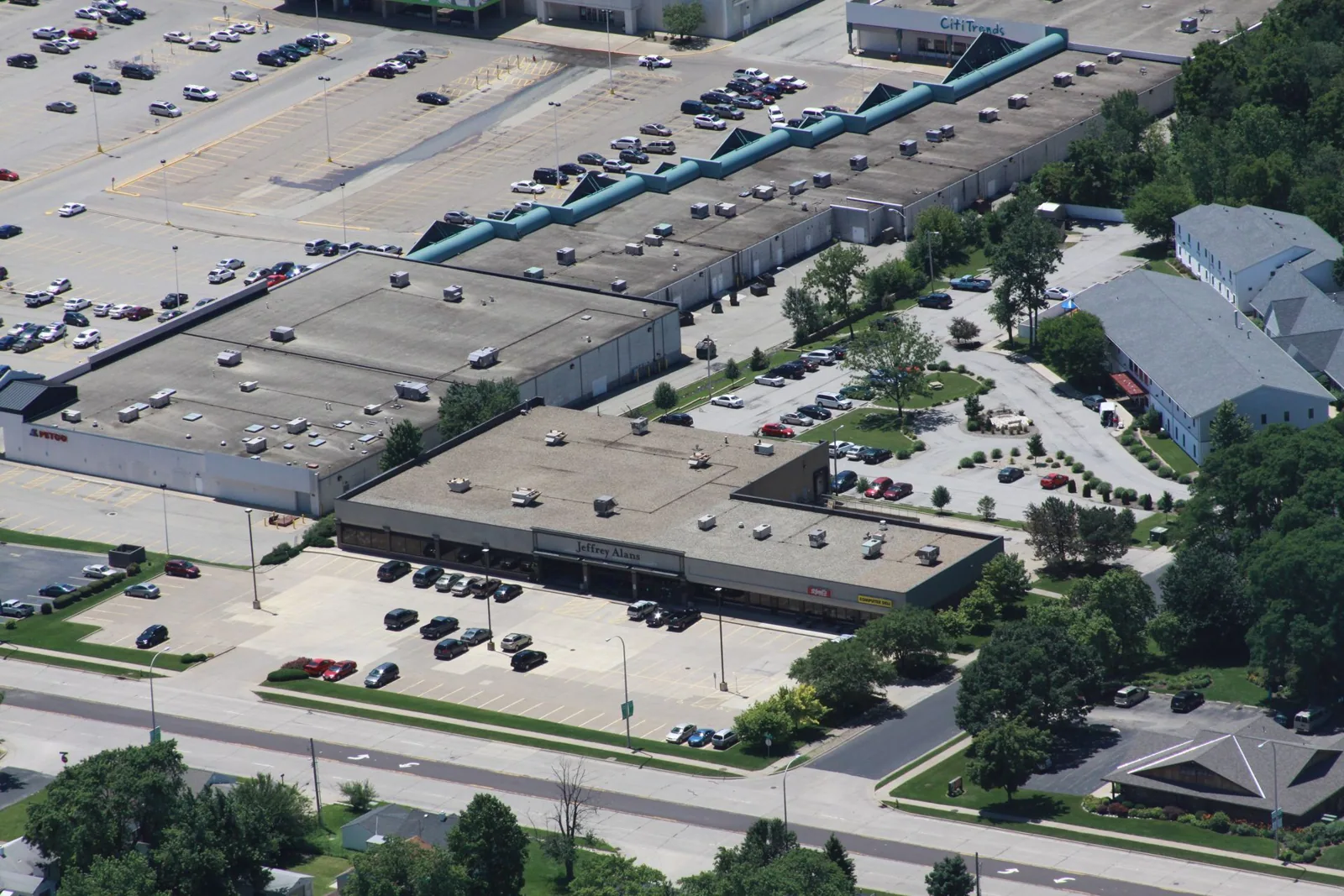
Does the work extend to other Santa Clara areas?
Yes, with the same intake. Parts of town such as the Santa Clara gateway and the neighborhood center follow the same town planning process, so an owner with more than one location gets a consistent report. Larger portfolios can include properties in Ivins as well, though each town keeps its own plan and zoning, and we confirm those separately.
Across all of them the deliverable is the same: a written condition report with photos, a repair scope separated from capital items and a list of open questions. The owner then decides what to authorize, and the roof plan matures from there.
Owners who want a single point of contact for several buildings can ask for a combined proposal. Each building gets its own findings, and the shared part, such as the schedule, the safety plan and the tenant notice, is written once. That keeps the paperwork light without hiding differences between roofs.
Commercial Roofing Questions
Do I need a site plan to start a roof project?
Not to start the conversation. Approved drawings help, and we ask for them, but we can inspect a roof without them. If a permit is needed, the town's commercial-zone and site-plan materials tell us what documents to prepare.
Can the roof be repaired before a new site plan is approved?
Emergency and maintenance repairs generally proceed on their own track, while scope changes follow the town's process. We confirm with the planning office which category the work falls into so there is no stalled project.
How do you protect inventory under a leaking roof?
We start by directing water away from stock and equipment, using a temporary patch, tarp or diverter on the roof and plastic sheeting inside where the owner allows access. The photographs and moisture readings we collect also help an insurer understand what happened.
What affects the cost of a coating job?
The amount of substrate repair before the coating, the number of penetrations and curbs to detail, the surface area and the coating system selected. Access and weather limits play a part as well. After the walk, each driver is named in the scope.
How do the reports help with long-term planning?
They record roof condition by area and give a repair-versus-replace view that owners can carry into a budget cycle. Photos from each visit make changes visible over time, so a small problem can be handled before it spreads.
How is a restoration warranty handled?
Any coating warranty comes from the coating manufacturer under its own terms, and we explain what the paperwork covers before the owner commits. Surface preparation, substrate repair and thickness records are the items that support a claim later, so we keep them in the project file.