
Commercial Roofing in Ivins, UT
Ivins Overview
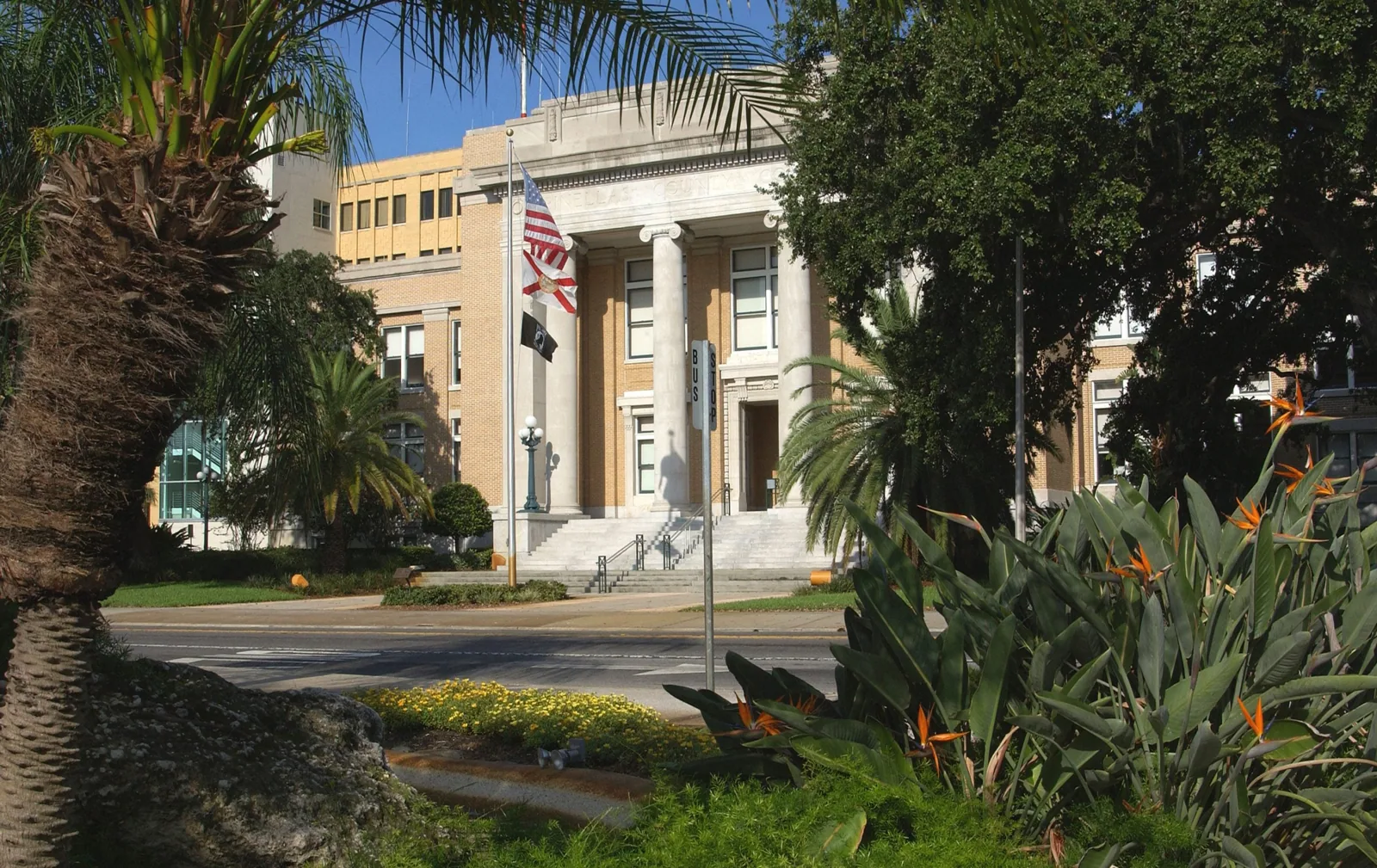
Expansion questions come before material questions on an Ivins commercial roof. Ivins publishes a 2024 General Plan and planning materials, and the guidance for any roof there is to check the adopted plan and the parcel use before assuming a commercial roof assembly or a path for adding to the building. We apply that to the first call. Snow Canyon Parkway and SR-18 appear on the county's transportation map among the regional arterial and collector routes, which helps with dispatch and nothing more. When the building owner has the parcel use and the roof records in hand, a commercial roof inspection can answer a defined question: repair, recover, replace or extend.
What does the 2024 General Plan have to do with a roof?
A general plan describes how the town expects land to be used, and parcel use controls what a building is permitted to be. A roof that serves a retail space, a small office or a service shop carries different equipment, drainage demands and fire-rating questions. If the owner is thinking about adding a bay, a second story or a canopy, the roof has to meet the new structure in a way the town will approve.
That is why we ask for the adopted plan reference and the parcel designation at the start. We do not assume what sits on a particular Ivins lot. The answers go into the roof plan, which then separates work that can proceed on a standard permit from work that depends on a planning decision. The owner sees the timing before spending money on a design.
Timing is the reason this step comes first. A reroof that is approved on a short permit can be done in a single dry stretch, while a roof tied to a planning review may wait weeks for a decision. Owners who know that early can choose between a stopgap repair now and a combined project later, instead of finding out after a tear-off has begun.
How does a new roof join an old one?
Additions create the hardest details on a commercial roof. The new section often sits at a different height, with a different slope, and the old section may have a different membrane. The transition between them has to move with each side and shed water to a drain, not toward the seam. A step flashing, a tapered saddle or a metal transition each solves a different geometry, and we choose from what the structure allows.
Materials matter here. Two single-ply sheets from different eras or different formulations may not weld to each other, and a bitumen roof may not accept a single-ply tie-in without a separation layer. We test compatibility on a small area and record the result, because a failed tie-in shows up as a leak at the exact point where two projects meet.
Drainage across the joint deserves its own look. If the new section is higher, the old roof may receive runoff from it, and that water needs a path that does not cross seams or sit against a wall. A scupper, a downspout or a small crickets-and-saddle build-up can change the flow. We sketch the water path on the roof plan so every trade understands it.
Should the roof be ready for solar before the next phase?
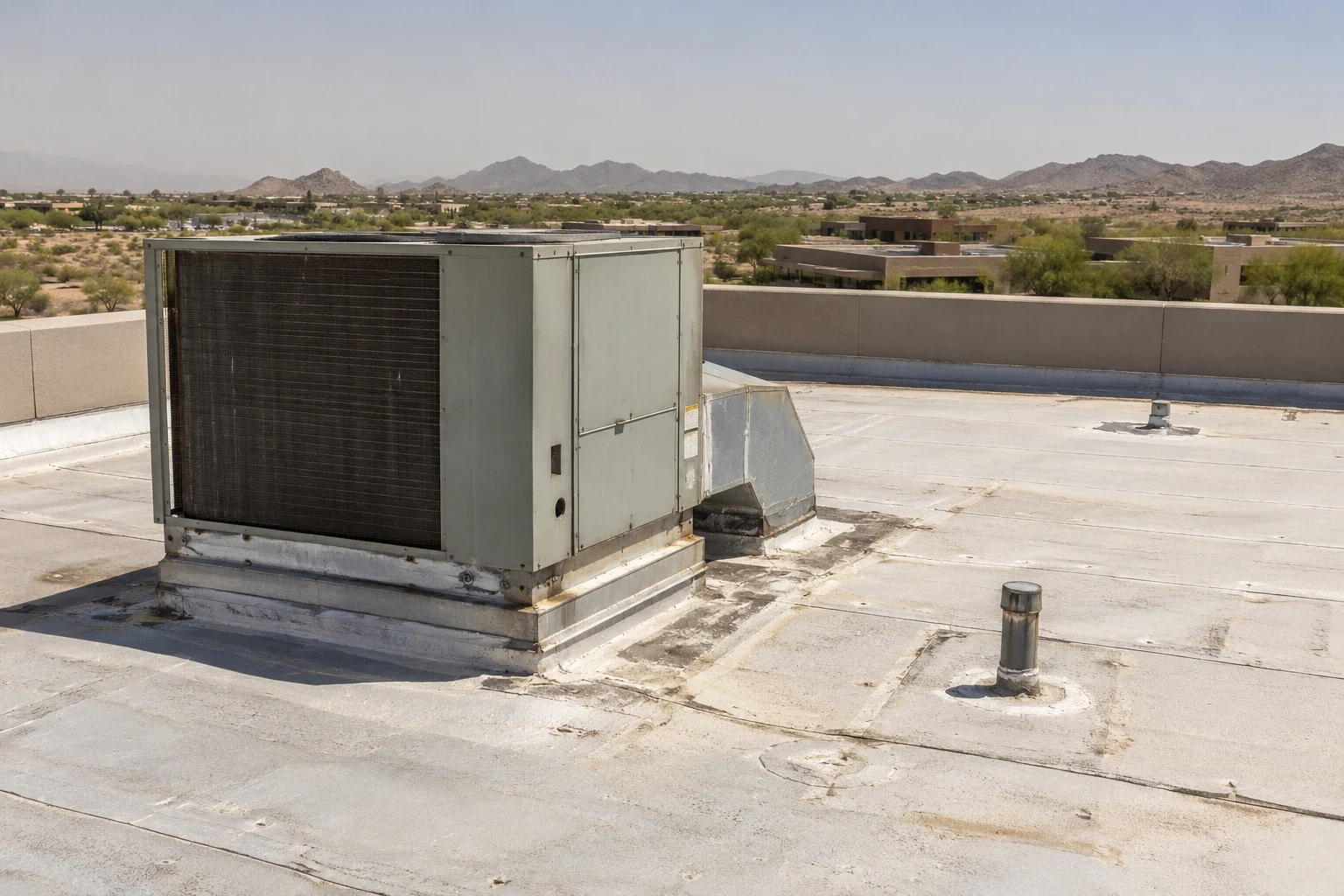
A roof that will carry solar equipment needs more than a clean surface. It needs a deck that can support the added load, attachment points that can be flashed and a membrane that is young enough to outlast the panels. Pulling panels to replace a roof under them is expensive, so the sequence matters: roof first, then array.
Our solar-ready roofing approach reviews the remaining service life of the membrane, plans penetrations and walkways, and keeps the drain route clear of the array. In a climate where July highs at the St. George station average 101.9 degrees, heat also shapes the choice of surface. A reflective sheet helps the membrane under the panels, and an array that shades part of the roof changes where water and debris collect.
Which membrane suits a low-slope Ivins building?
The answer comes from the building, not the town name. For a low-slope roof with a sound deck and good drainage, a heat-welded single-ply such as TPO roofing is a common choice because it reflects heat and welds into watertight seams. PVC suits roofs exposed to grease or chemicals. EPDM gives long service where traffic is light. Modified bitumen and built-up roofs add redundancy where foot traffic is heavy.
We lay those out with their limits. Each system needs the right substrate, the right attachment for local wind loads under the adopted code and a detail plan for every curb and edge. The 2024 International Building Code, adopted by Utah with state and local amendments, governs the structure of the assembly, and the permit date determines the edition that applies.
Edge and wind detail get the same attention as the field sheet. The perimeter is where uplift starts, so attachment density, edge metal and termination bars are specified and checked against the adopted code before material is ordered. A membrane choice that ignores the perimeter will fail there first.
What should a buyer or lender see before a roof decision?
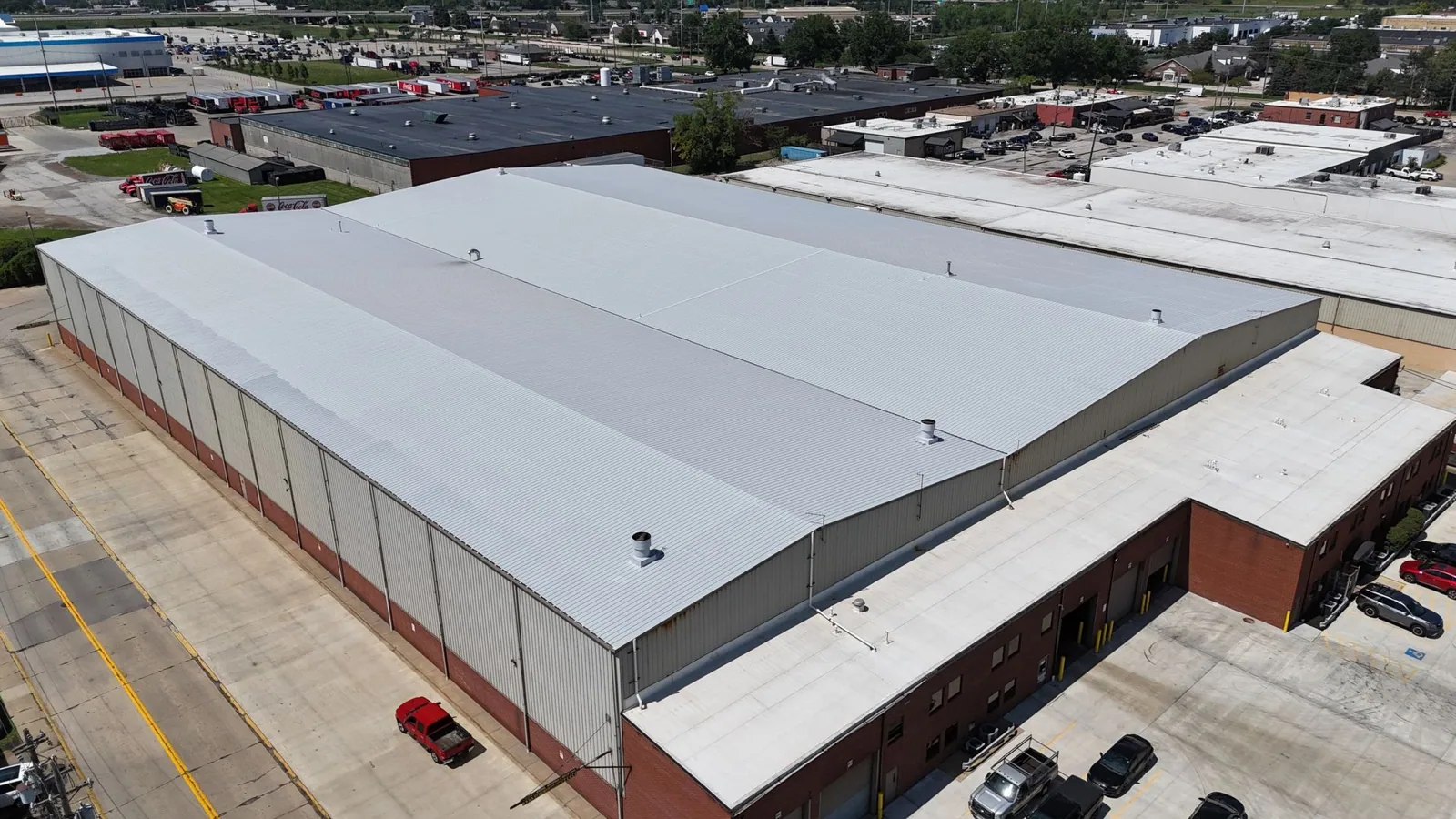
A buyer looking at an Ivins commercial property usually wants to know what the roof will cost in the next few years. Our due-diligence roof survey answers that with a condition summary, photographs and a list of repairs and likely capital items. It does not rest on the age of the building alone, since an old roof can be sound and a young one can be failing.
Neighboring places along SR-18, including Diamond Valley, and towns such as Santa Clara have their own planning offices, so a buyer with several properties gets one survey format and separate permit notes for each. That keeps the comparison clean and the decisions separate.
For a lender, the same report answers a different question: will the roof need money before the loan term ends? The survey flags short-term repairs separately from long-term replacement so that reserves can be sized. Photographs of each deficiency are included, so a third party can follow the logic without visiting the roof.
Commercial Roofing Questions
Can a roof be repaired before I decide whether to expand?
Yes. Repairs that stop leaks can proceed on their own track, and we can design them so they do not conflict with a future addition. Flashing that will be removed later is kept simple; details that will remain are done to last.
What should the parcel designation tell me?
It tells the town what uses are expected on the lot, and it frames what can be added. We use it to avoid designing a roof around a plan the town would not approve. The owner or the town can confirm the designation.
How do I know if two membranes will bond?
A small test patch with the proposed material, a peel check after cooling and a look at the surface condition answer it. We do not guess from the color or the label. Where the materials will not bond, a mechanical termination or a separation layer is used.
Does Ivins weather match St. George weather?
The St. George station is our reference, with 9.31 inches of annual precipitation and highs near 100 degrees in July and August. A given Ivins roof is still evaluated on its own, and site conditions decide the schedule.
Who handles the leak while an expansion is being designed?
Our emergency crews, who respond all day and night including holidays. They stop the water, record where it came from and leave the roof ready for the larger project.
Can solar be added to a roof that is already leaking?
It should not be. Leaks must be traced and repaired first, and any wet insulation resolved, since panels will hide the problem and make repair harder. Once the roof is dry and sound, we plan the penetrations and walkways for the array.