
Commercial Roofing in Washington City, UT
Washington City Overview
A property manager who holds buildings on both sides of a city line deals with two sets of rules for one kind of roof. Washington County lists Washington City as a city with its own licensing division, so a contractor verifies the local requirements before taking work there, and permit and zoning checks go to the city. That sequence comes before the roofing questions, though the roofing questions are the ones that decide cost. The county's transportation map names Washington Fields Road and Telegraph among the area's arterial and collector routes, which helps with dispatch. The roof itself still gets a proper commercial roof inspection that records what is on the deck and what the owner needs to decide.
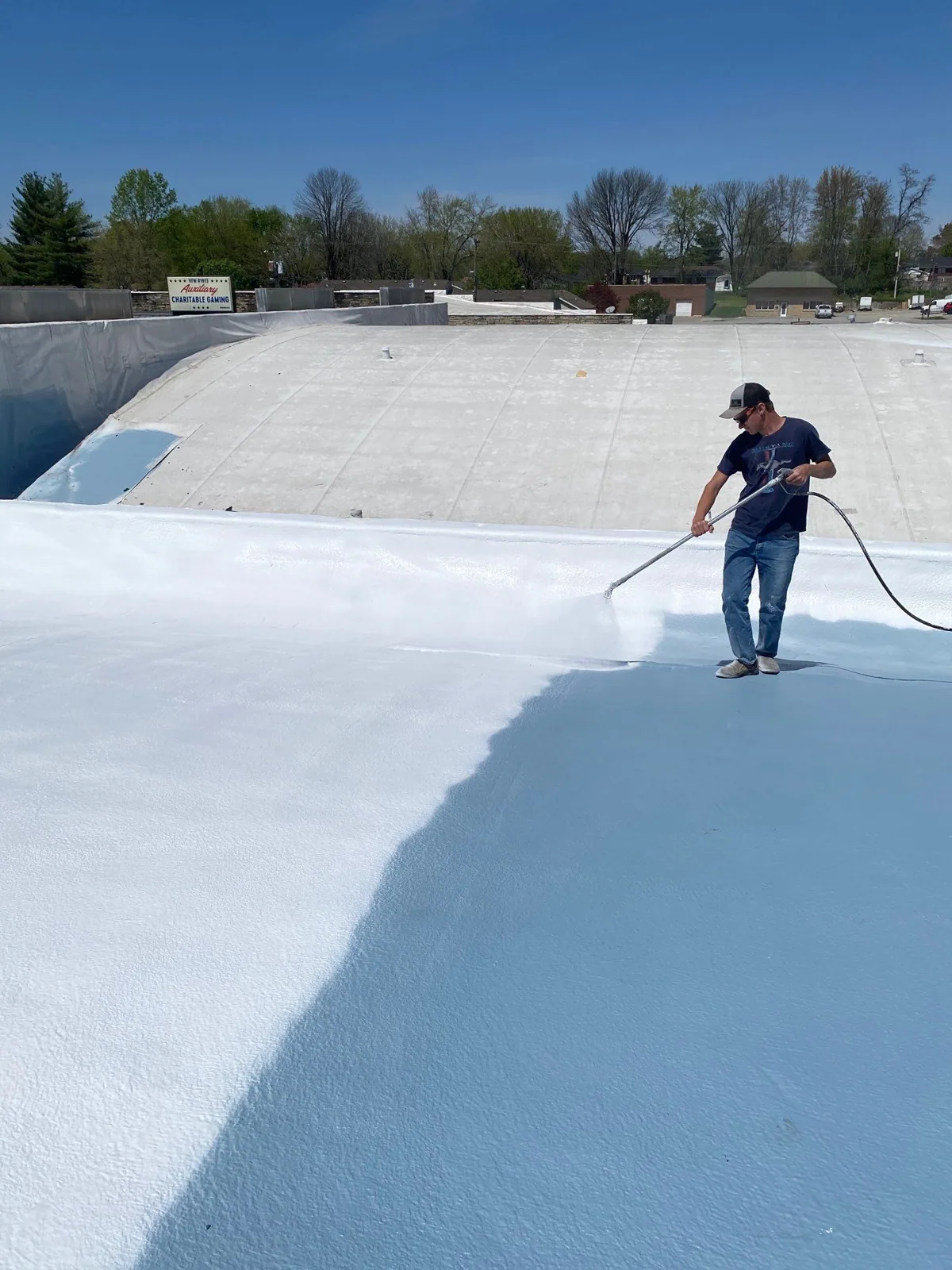
What gets confirmed with Washington City before the estimate?
Three items: our license standing with the city division, the permit path for the scope, and the zoning designation for the parcel. A repair may need no permit at all, while a recover or tear-off usually does, and the city can tell us which side of that line a given scope falls on. We ask early so the owner does not pay for a design that the city then sends back.
Zoning matters because it describes how a building is used, and use drives the roof. A parcel in a commercial zone can hold a store, an office or a service shop, and the mechanical load, drainage and fire rating requirements differ among them. The county keeps regional transportation maps and community-planning references, but those are orientation tools. The city is the authority for the permit, and we treat the county material only as a map of routes.
Once the city answers, the answers go into a one-page summary for the owner: which approvals the scope needs, who submits them, what inspections the city expects during the work and what the roof must look like when the inspector arrives. That page keeps a lender, an insurer or a board member from asking the same question twice, and it lets the building manager tell tenants when the noisy phase will start.
How do Telegraph and Washington Fields Road shape dispatch?
Dispatch reads a corridor name the way a driver reads a road sign: it narrows the search, and it leaves the last stretch to be confirmed. The county's map lists Washington Fields Road and Telegraph among the area's arterial and collector routes. We use them to estimate arrival and to plan where material trucks approach, but the gate, the dock and the lift spot are settled with the property manager.
Those details change the day's work. A tight lot may need materials staged on the roof in small lifts. A shared drive may require flaggers during the delivery. An emergency call is the same: the route gets the truck close, and a call to the contact on site finds the way in. We would rather confirm access by phone than lose a half hour at the wrong gate while water is coming in.
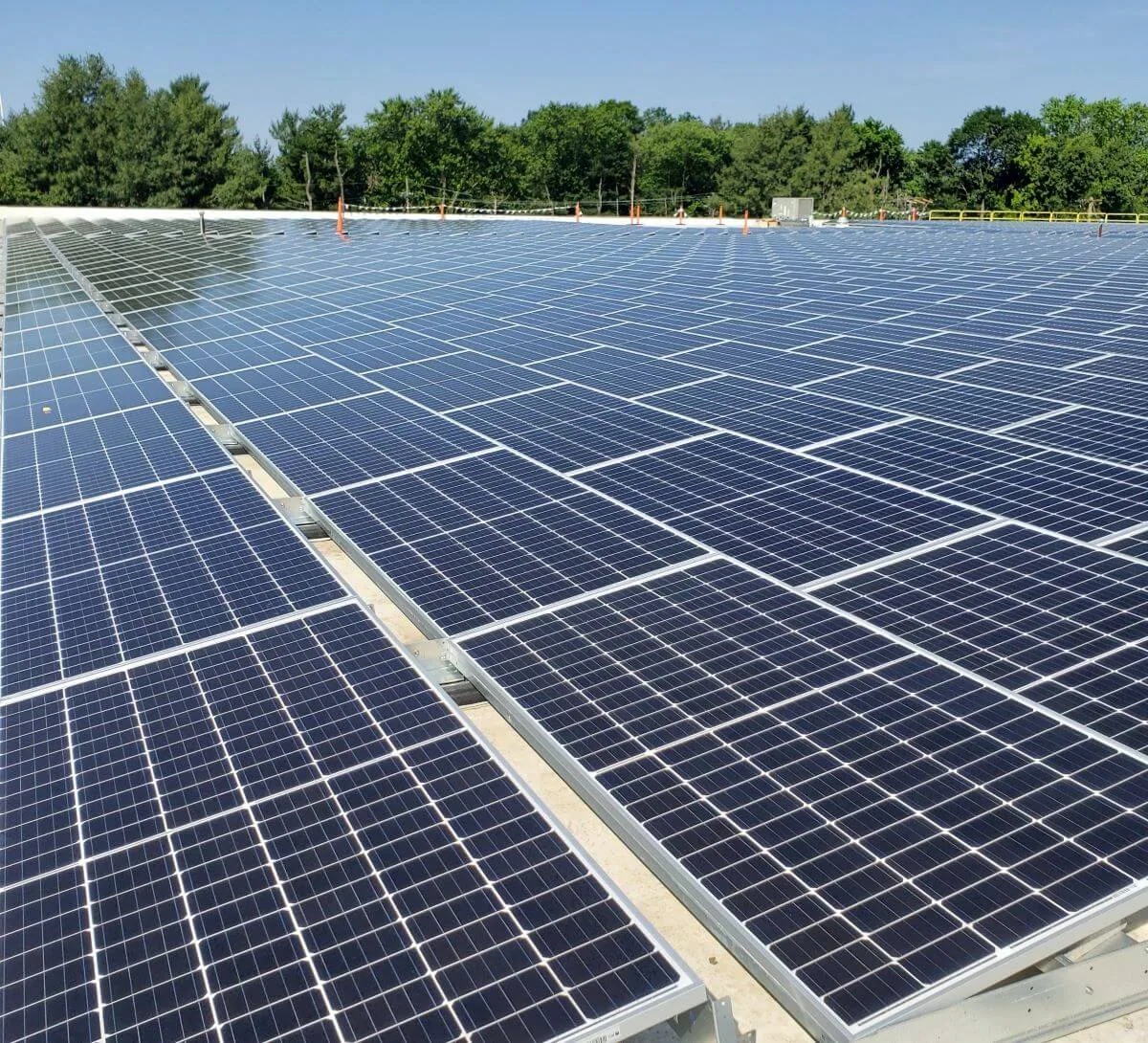
How does a two-city portfolio fit under one roof plan?
Owners with buildings in several jurisdictions often want one standard and one calendar. We can provide both while respecting each city's process. The inspection format, the photo record and the condition ratings are the same wherever the building sits, and the permit steps are tracked building by building. Other parts of Washington City, such as the I-15 and Buena Vista area and the historic downtown along Telegraph run through the same city process, which is useful when a client has more than one site in town.
A multi-site roof program works best when the first pass is a ranking. We list the roofs by urgency, tie each to a repair or capital scope and set a visit schedule that spreads the work across seasons. The owner sees which building takes the first dollar and why.
Does the energy code change a Washington City reroof?
It can. Under Utah's commercial energy rules, the 2024 IECC and ASHRAE 90.1-2022 apply with state amendments, and enforcement is mandatory statewide from July 1, 2026. Which pathway and amendments apply to a reroof or an alteration has to be verified for the specific project, and the building department confirms it. A tear-off that exposes the deck usually brings insulation requirements into the discussion, while a repair that touches only a flashing may not.
We lay out the options in the roof plan: what insulation thickness the pathway calls for, whether a cover board is needed, how the edge heights and flashing are affected. In a climate where the NOAA station records mean highs above 99 degrees in July and August, a reflective surface and good insulation also protect the membrane. Whether a cool roof installation fits the scope is a decision to make once the assembly is confirmed sound.
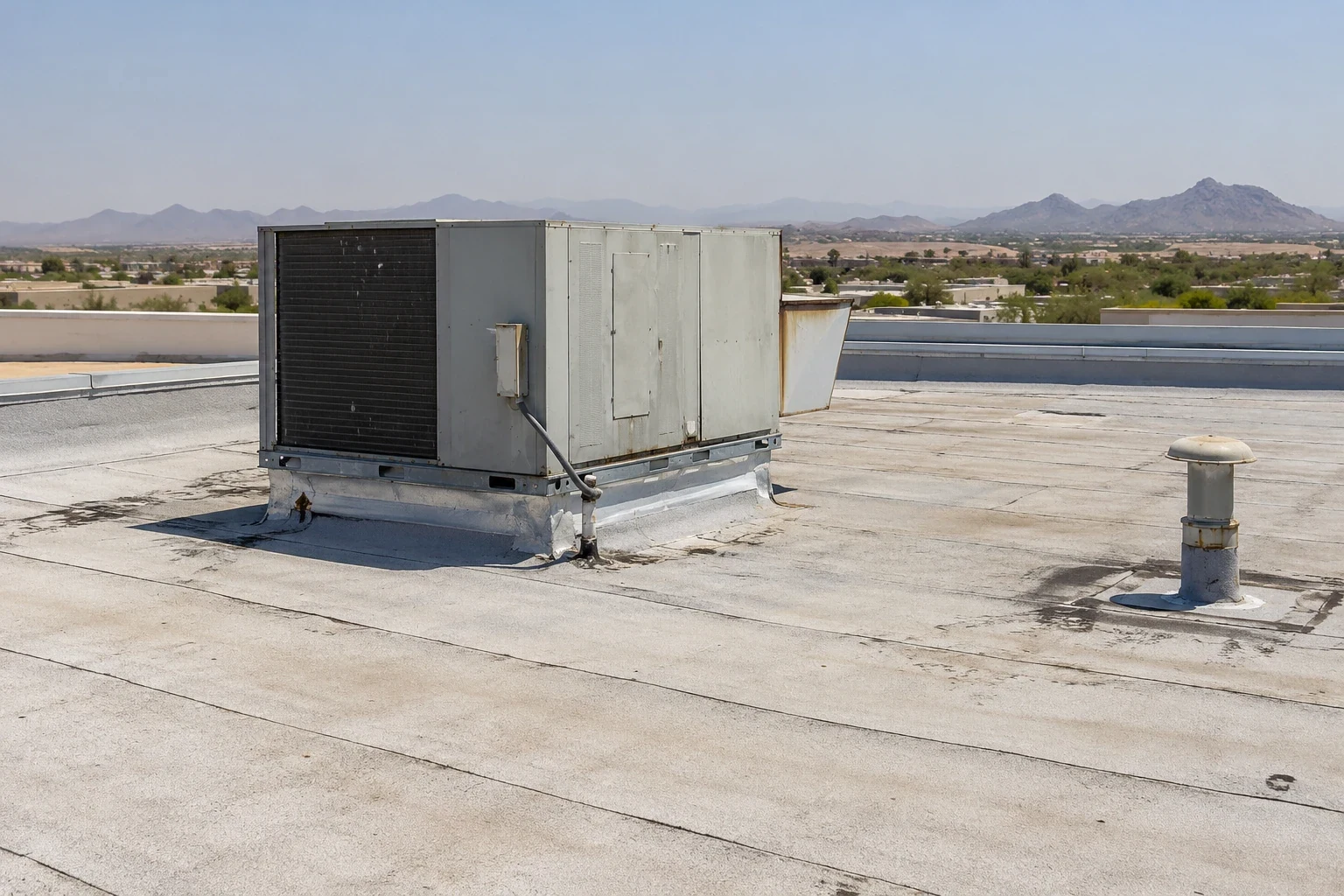
How do we work around summer heat on a Washington City site?
The St. George station's July normal of 101.9 degrees sets the planning baseline, though a roof surface is a different measurement and each site is evaluated directly. Crews start early, handle membranes and adhesives in the cooler hours and take water breaks in shaded areas on the roof. Safe access includes proper fall protection and walk pads, which also protect the membrane from foot traffic.
On days when the surface heat limits work, we shift to tasks that are less temperature-sensitive, such as flashing preparation, material staging and drain work. That keeps the schedule moving without forcing a weld, a bond or a coating in conditions that would shorten its life. The result is a roof installed under controlled conditions, and a work log that records the conditions used.
The same discipline applies to wet-weather days in winter. February carries the highest monthly precipitation normal at the station, 1.38 inches, so a roof that is open in late winter needs a tighter dry-in routine than one opened in June, when the normal is 0.16 inches.
Commercial Roofing Questions
Does Washington City have a separate contractor license?
The county lists Washington City as a municipality with its own licensing division, and contractors are expected to verify local licensing before taking work there. We confirm the requirement as part of our intake, and we tell the owner what the city needs before work is scheduled.
Who pulls the roofing permit?
Responsibility is assigned in the contract, and the contractor normally prepares the application while the owner signs as needed. The city decides the review steps. We assemble the roof plan, assembly description and insulation details so the submittal is complete.
Can small repairs be done without a long process?
Many small repairs, such as resealing a flashing or replacing a damaged section of membrane, move quickly because the scope is limited. The city is still the source for what needs a permit, so we check instead of assuming. Quick work is possible when the paperwork is already clear.
What if the roof is shared by two tenants?
Shared roofs need a clear agreement about access, noise and who approves the scope. We work with the property manager as the single point of contact and prepare a plan each tenant can read. Equipment that belongs to one tenant is protected and reconnected under that tenant's schedule.
How soon can you respond to storm damage?
Emergency crews are available all day and night, including weekends and holidays. For storm damage roof repair, we first stop water entry and record the damage, then plan the permanent repair with the permit path in mind.
What belongs in a roof file for a Washington City building?
Keep the permit record, the inspection report, photographs from each visit, repair invoices and any manufacturer paperwork that came with the last install. A complete file speeds the next estimate and shows an insurer or buyer what has been done. We add our report to the file after each visit.