
Commercial Roofing in Toquerville, UT
Toquerville Overview
Sun does slow, steady damage to a commercial roof in Toquerville, and the damage shows in the surface long before it shows as a leak. Washington County lists Toquerville as a city with its own licensing division, so licensing is verified before work is accepted, and permit and zoning checks go to the town. The county's transportation map names SR-9 and SR-17 among the arterial and collector routes, which helps with dispatch planning. The roof assessment starts with a commercial roof inspection that looks for chalking, cracking, shrinkage and faded sealant, then sorts what can be coated or repaired from what has to be replaced.
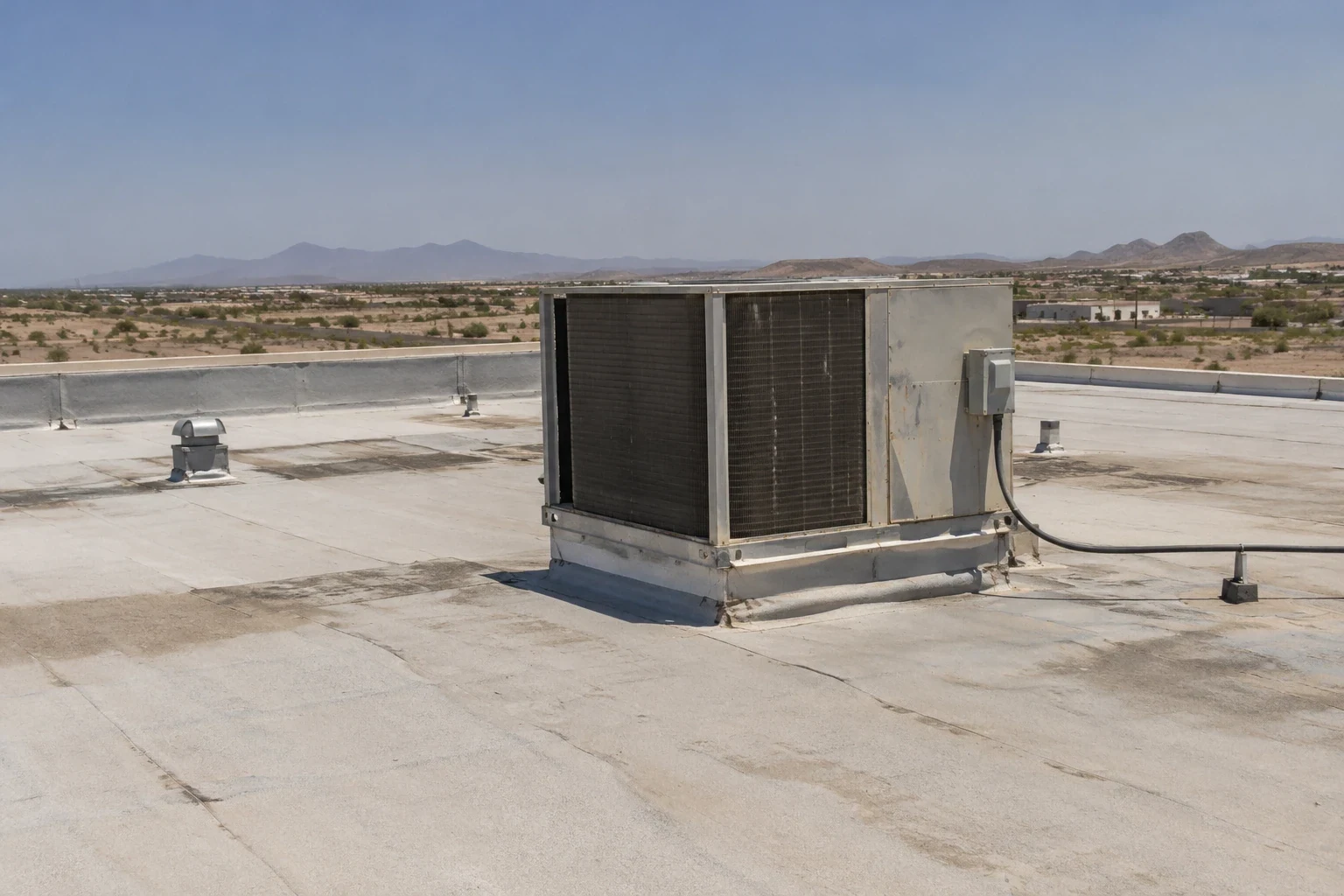
What does years of sun do to a roof surface?
Ultraviolet light breaks down the surface layer of most roofing materials. Bitumen dries and loses its granules. Single-ply membranes can lose plasticizer, stiffen and shrink away from their flashings. Sealants chalk and crack. Metal finishes fade, and the coating on a painted panel can wear through to bare steel. The NOAA station in St. George puts the July daily-high mean at 101.9 degrees and August at 99.9, so a St. George area roof sees long, hot exposure.
We look for the early signs: a powdery surface, fine cracks at corners and around penetrations, membrane pulling away from a wall, and a surface that has changed color. The heat and UV damage repair that follows depends on whether the layer below the surface is still intact. If it is, a repair or a coating can restore the protection. If not, the scope grows.
Edges and penetrations take the worst of it. A pipe boot in full sun can crack in a few seasons, and a rubber gasket on a vent loses its grip as it hardens. Those are small parts and inexpensive to replace. Catching them before water enters is the reason the surface walk goes slowly and covers every penetration, not only the field of the roof.
Is a cool roof worth considering for a Toquerville building?
A reflective roof surface sends more sunlight back, so the membrane runs cooler and thermal movement drops. That reduces stress on seams and flashing, and it can reduce heat entering the building. The size of the energy benefit varies with insulation, ventilation and how the building is used, so we treat it as one factor, not a promise.
The decision usually comes at one of two moments: when a roof is being replaced, or when a coating is being chosen for restoration. A cool roof installation is straightforward when the roof is already being opened. When a roof is being restored, a reflective coating can bring some of the same surface benefit at lower disruption, provided the substrate is sound. Both options are tested against the building's condition before they are recommended.
Color and finish are separate questions from performance. A bright white surface shows dirt, and cleaning schedules matter for keeping reflectivity up. We note how the building's surroundings, such as dust or nearby vegetation, affect the surface, and we suggest a washing routine that does not damage the membrane.
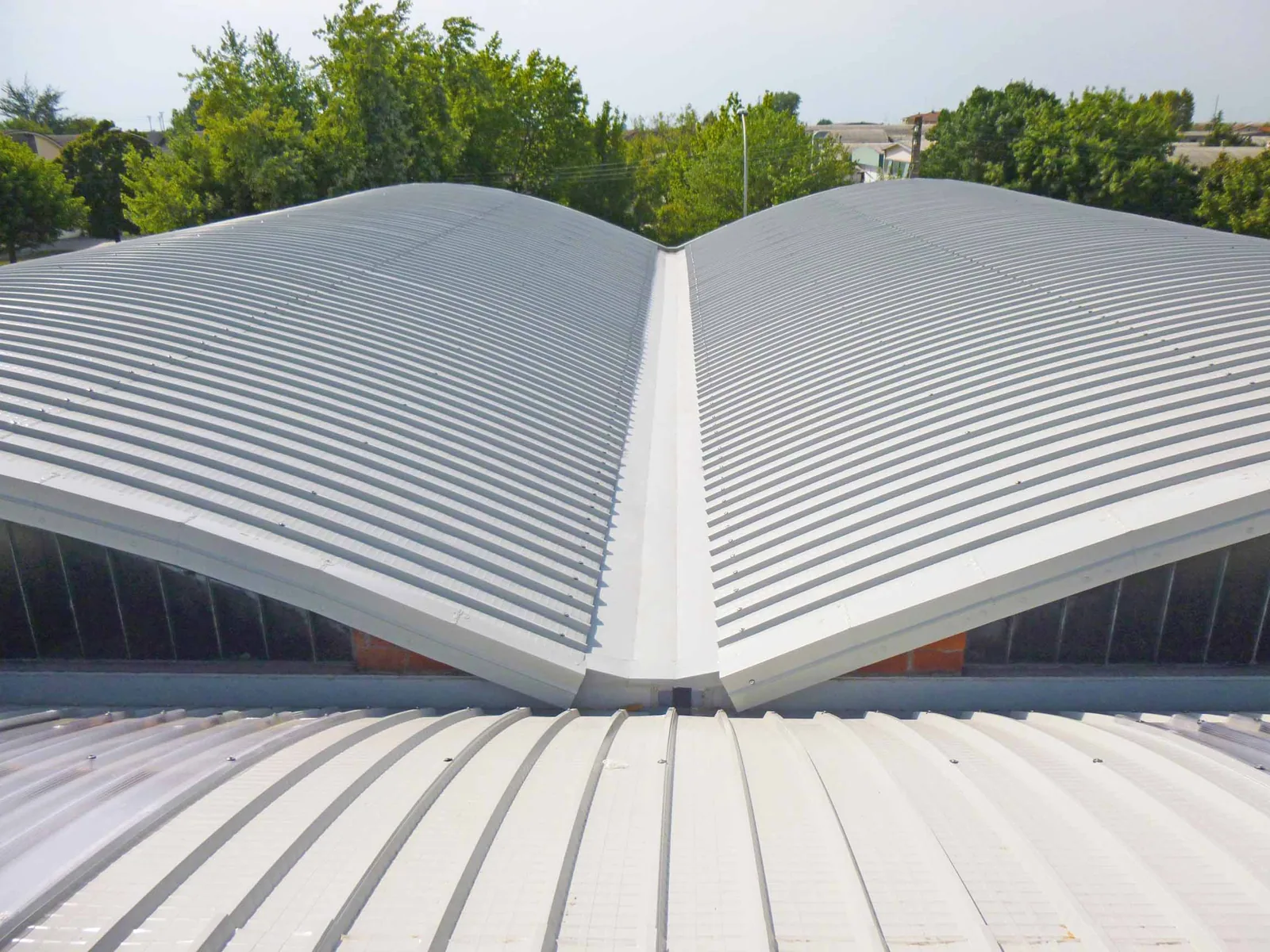
How do silicone and acrylic coatings differ?
Both are liquid-applied systems that cure into a continuous layer over a prepared roof. Silicone sheds ponded water better and holds its properties under strong sun, which is why it is often used where drainage is imperfect. Acrylic is a common option on roofs that drain well, and it bonds readily to many substrates. Each needs clean, dry surfaces, and each needs repairs to seams and flashings first.
We lay the choice out in the roof plan: the substrate, the slope, the drainage, the traffic on the roof and the expected remaining life. Each system has its own limits: silicone roof coatings and acrylic roof coatings fail in different ways, and the owner should compare those failure modes before choosing.
Thickness is the quiet variable. A coating applied too thin will not carry its published performance, and one applied too thick may not cure properly. We measure wet film during application and keep records of the quantities used against the roof area, so the finished thickness is known and not assumed.
When is a coating the wrong answer?
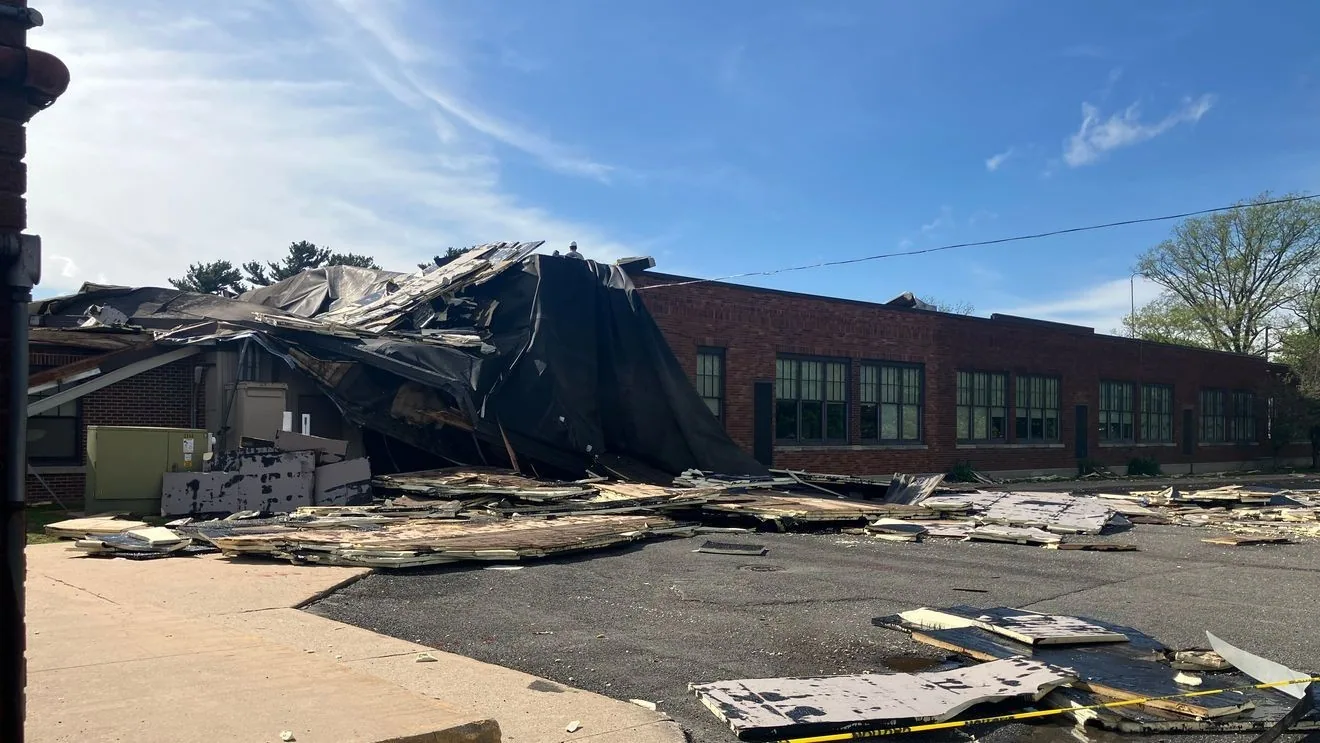
A coating cannot dry out wet insulation, and it will not hold over a membrane that has lost adhesion across large areas. It cannot level a roof that ponds because the deck has moved. If an infrared survey and probe checks show widespread moisture, coating becomes a cosmetic cover that traps the problem.
We tell the owner that plainly and show the evidence. In that case the choices are a recover, if the insulation is dry enough in places, or a full replacement. The decision reflects capital timing as well as roof condition, and the report sets out the repair boundary so the owner can compare the cost of a short extension against a new roof.
A middle path exists for some roofs: coat the sound areas and replace the wet ones. The roof plan marks those zones, prices them separately and sequences the work so the building stays dry between phases. It costs more attention than a single method, though it can spend the owner's money where the evidence says it is needed.
How does Toquerville fit with the neighboring towns?
SR-9 and SR-17 link it on the county map with La Verkin and Hurricane while Leeds follows its own town plan and zoning map. Each town licenses and permits on its own, so a client with buildings in several of them gets one inspection format and separate paperwork for each jurisdiction.
That arrangement lets us compare roofs across a small portfolio. If one building shows more UV wear than another, the report says why, whether it is roof color, slope, material or exposure. The comparison guides which building should be coated first and which can wait for the next budget year.
Shared highways also mean shared weather decisions. When a storm crosses the area, we schedule follow-up walks along the same route and record conditions building by building. The owner of several properties sees them in one report instead of a series of unrelated visits.
Commercial Roofing Questions
How can I tell if my roof is suffering from UV damage?
Look for chalky residue on your hand after touching the surface, hairline cracks, a faded color, curling edges or sealant that has turned brittle. We confirm with a walk, since some surface changes are cosmetic and some signal a loss of material.
Does Toquerville require a permit for coating work?
Washington County lists the town as having its own licensing division, and permit rules are set locally. We ask the town whether the scope needs a permit before we price it, so there are no surprises.
Will a reflective coating lower my cooling cost?
It can help, though the amount depends on the building. Insulation, ventilation and equipment all play a part. We describe the effect as a possible benefit and do not quote a savings number.
How long should a coating last?
Product, thickness, substrate condition and exposure all set the answer. We cite the manufacturer's published performance for the system and then adjust the expectation for this roof's condition. We do not promise a number of years.
What does preparation involve before coating?
Cleaning, repairing seams and flashings, fixing open penetrations, treating rust on metal and drying any wet areas. Preparation is often most of the work and is the reason a coating performs or fails.
Can a coated roof be replaced later?
Yes. A coating does not prevent a future tear-off or recover, though some coatings must be removed or isolated first so the new membrane will bond. We note which coating was used and where, so the next project starts with accurate information.