
Roofing for Logistics and 3PL Operators in St. George, UT
Logistics and 3PL Operators Overview
For a 3PL, a roof leak is an inventory event. Water over a pick aisle means damaged pallets, a client notification and a claim conversation, and the leak rarely arrives at a convenient time. In St. George, UT, the roof also bakes through the summer; the station's July and August daily highs average about 102 and 100 degrees, which means the surface can be harder on seams and sealants than the dry annual rainfall suggests. We read the roof for both stresses, heat in the long dry months and water in the short wet ones.
An operator who contracts space for several clients wants to know which bays are exposed, who holds the access keys and what happens if a repair must happen during a shipping window. A commercial roof inspection that maps each bay to its roof section gives the operations team those answers before a leak call comes in.
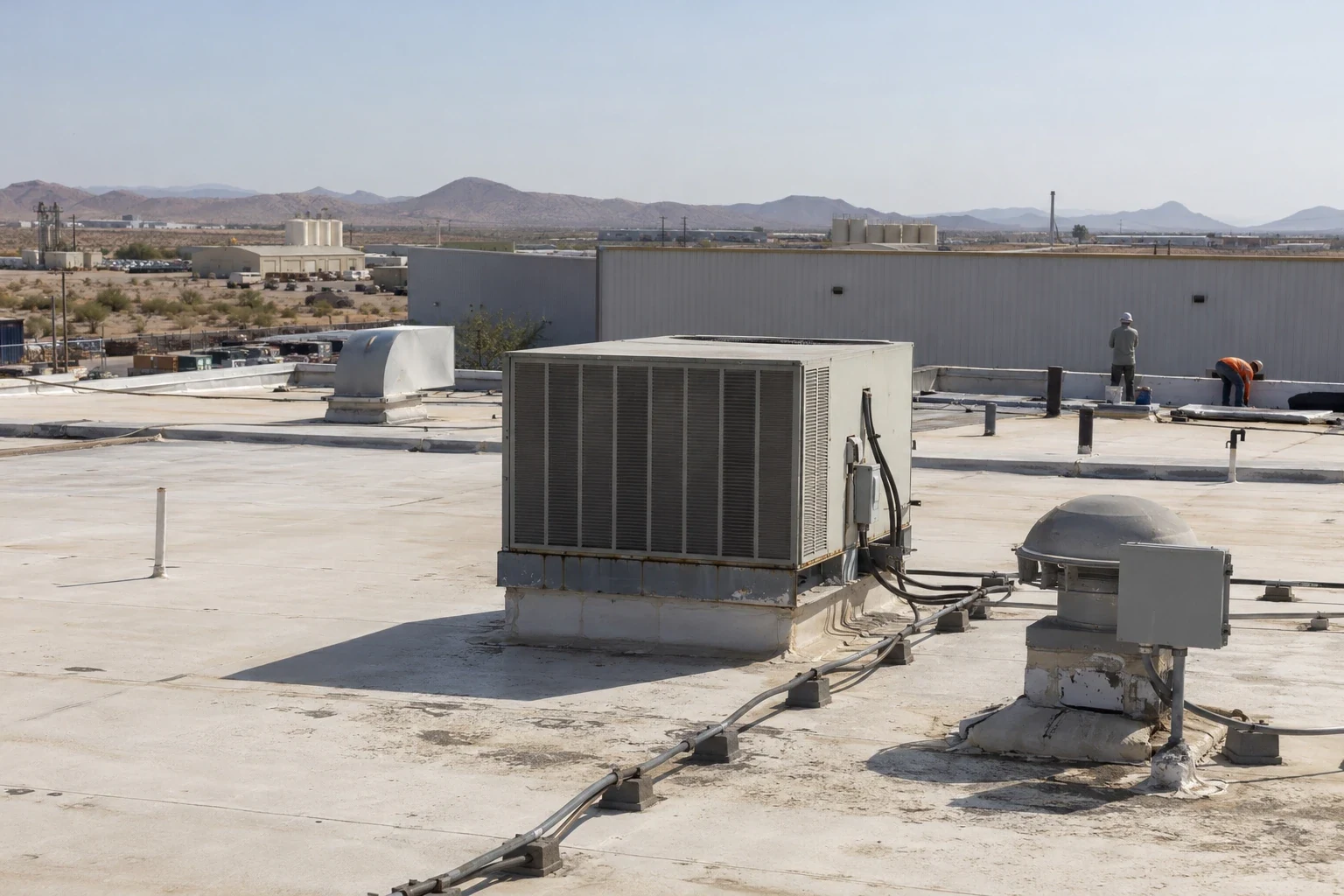
Where does a St. George operator's roof sit in the road network?
A logistics crew here dispatches along the interstate and the arterials. Washington County's transportation map names I-15, St. George Boulevard and River Road in the regional network, and the Guard's plan puts Fort Pierce Industrial Park largely in M-1 land, which is open to warehousing, light manufacturing, fabrication and wholesaling. Hurricane's Light Industrial/Business areas are described by the city for small-scale warehousing and assembly with automobile and truck access.
A road reference tells us how to dispatch a crew and plan a delivery to the site. It does not tell us the roof. A distribution center roof in one park may be a large single-ply membrane, while a smaller building in another may be metal. We read each building on its own and then group the visits by area to keep the schedule efficient.
How does roof work stay clear of the dock?
Dock doors and truck courts decide where crews, lifts and material pallets can stand. We map the yard before staging: trailer drop areas, fire lanes, the forklift routes under the roof edge, and the places where a falling tool could reach the ground. Work over active doors is sequenced to end before the afternoon loading peak, and a ground spotter controls the area under the edge.
Interior risks matter as much. If a section opens over racking, we move or cover product beneath it before the crew starts, and we close the section at the end of the shift. Occupied-building reroofing handles the zoning for larger scopes. The operator gives us the peak weeks, and we propose repair and replacement dates that fall outside them, so a client's seasonal volume is not interrupted by roof work.
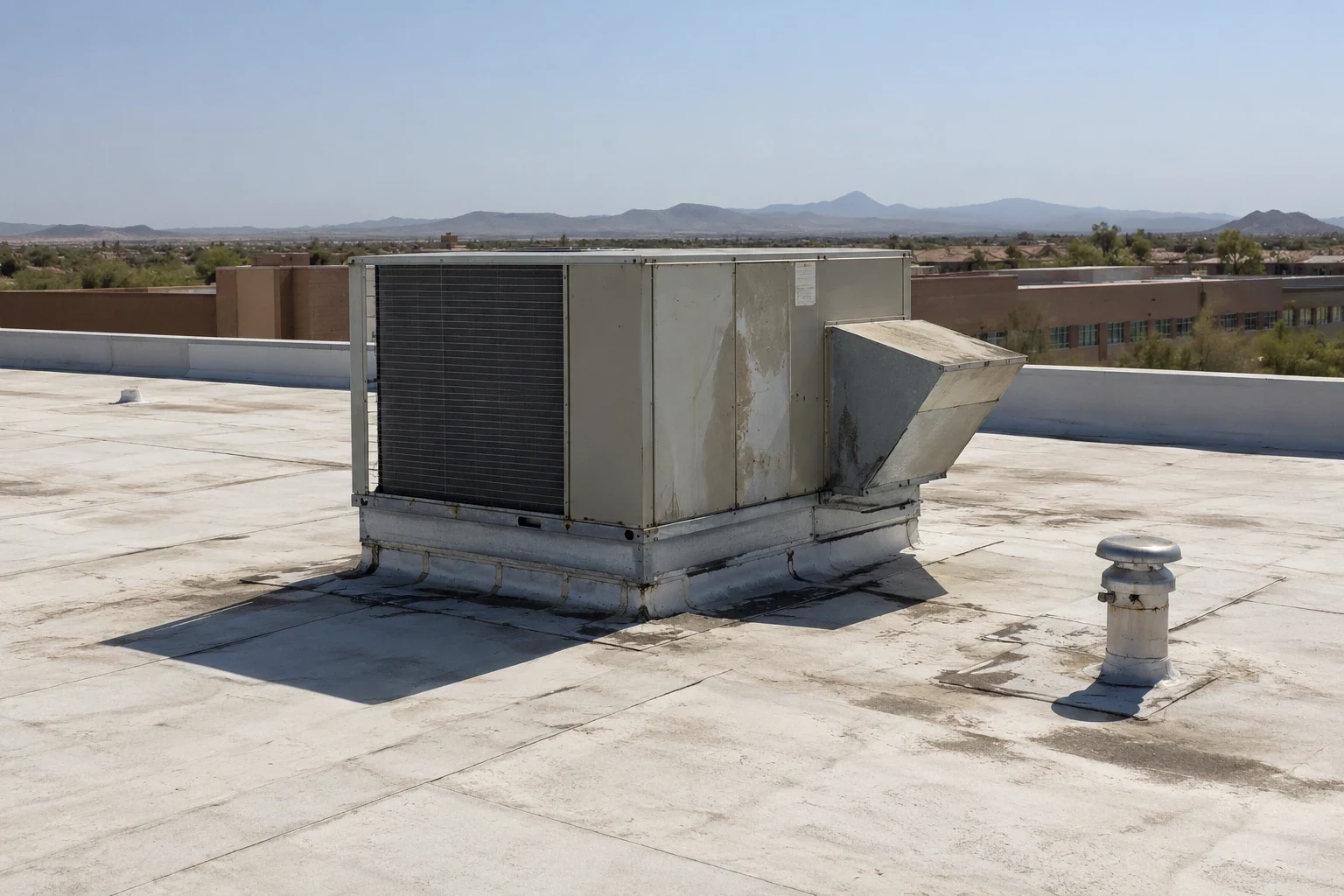
What fails first on a large flat roof?
Low-slope warehouse roofs most often fail at the details, not in the open field. Rooftop units, skylights, smoke hatches, pipe penetrations, wall transitions and the places where a membrane meets a parapet each have their own movement and their own seams. Drains and scuppers, where water leaves the roof, matter just as much, since a partly blocked outlet can hold water long enough to stress seams nearby.
We check roof drains and scuppers first on every visit, then walk the penetrations and perimeter. Age of the building tells us little by itself; the consolidated plan dates much of St. George's commercial building stock to 1980 or later, but a given roof may have been replaced, overlaid or patched since then. Photographs by bay and section give the operations team a map they can use to prioritize.
Heat adds its own pattern. A membrane that reaches high surface temperatures in July expands, and the movement concentrates at fixed points such as curbs, wall tie-ins and long seam lines. Sealants dry and crack over a few seasons, and walkway pads wear where technicians cross to reach equipment. We note which of these wear patterns are present and whether they are cosmetic or already letting water in, so the operator can separate a maintenance visit from a repair order.
When does a leak stop being a one-bay problem?
A leak over one bay with a clear source is a repair. A leak that returns after repair, or leaks in several bays within one season, points to a broader condition: wet insulation, failed seams along a line, or a drainage problem that shifts water across the roof. We check the evidence before recommending scope, using infrared moisture survey when the surface does not reveal what lies below.
A client will ask when the leak is fixed and whether product is at risk, so the repair scope states what was done, what was left open and what to watch. If wet insulation is found under a repair area, we say so rather than patching over it. Emergency roof repair runs around the clock and aims to stop water entry first, with the permanent scope following once the building is dry enough to assess.
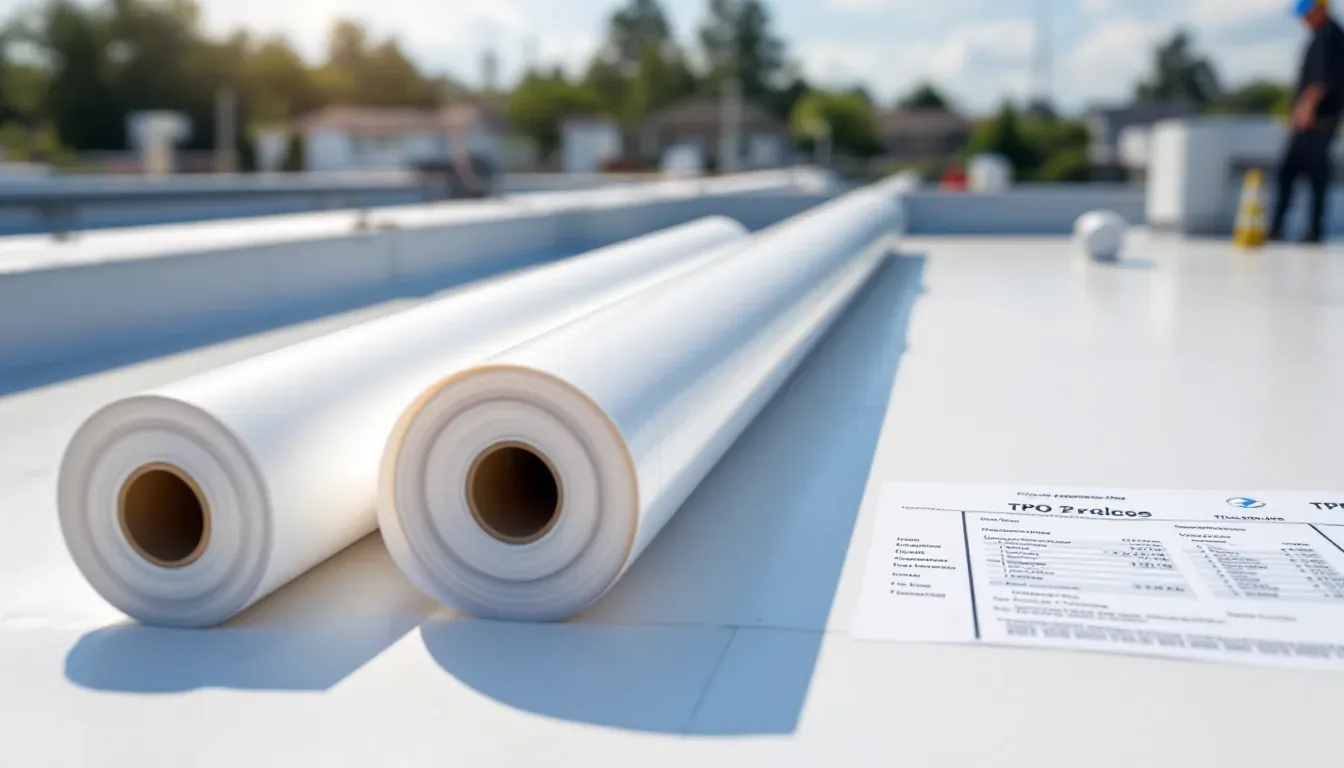
How should the operator plan roofs across leased space?
Lease structure drives who pays for what, and we keep the roof record neutral. For each building, the report separates repairs the operator can handle in routine maintenance from capital items that belong with the owner. Where the operator is the tenant, the record gives the landlord a clear evidence trail for a roof request.
For owners and operators with several sites, a multi-site roof program sets one inspection format, one reporting schedule and a ranked list of repairs and replacements. Permit-date rules matter on a replacement: the state base is the 2024 International Building Code, and its energy requirements turn mandatory statewide on July 1, 2026, so any change to insulation or drainage should be checked against the edition in force. We flag those items early so they do not surprise the budget.
What should the operations team send first?
Send the site list with building size by bay if known, client sensitivities, peak shipping weeks, the access contact at each site and any leak history. If clients store goods that need protection from moisture, say which bays hold them. Add the dock door count per building if you have it, since canopy and header details follow the doors, and mention any building where a tenant controls the roof hatch key.
A site in the Sunrise Valley industrial area or elsewhere along the Purgatory Road corridor, where the plan calls for new infrastructure connecting Washington City and Hurricane, may have different delivery access from one in St. George proper. Operators who also hold manufacturing space can compare notes with the approach used for manufacturers, and a builder placing new warehouse space can bring the roof into the schedule early through a general contractor.
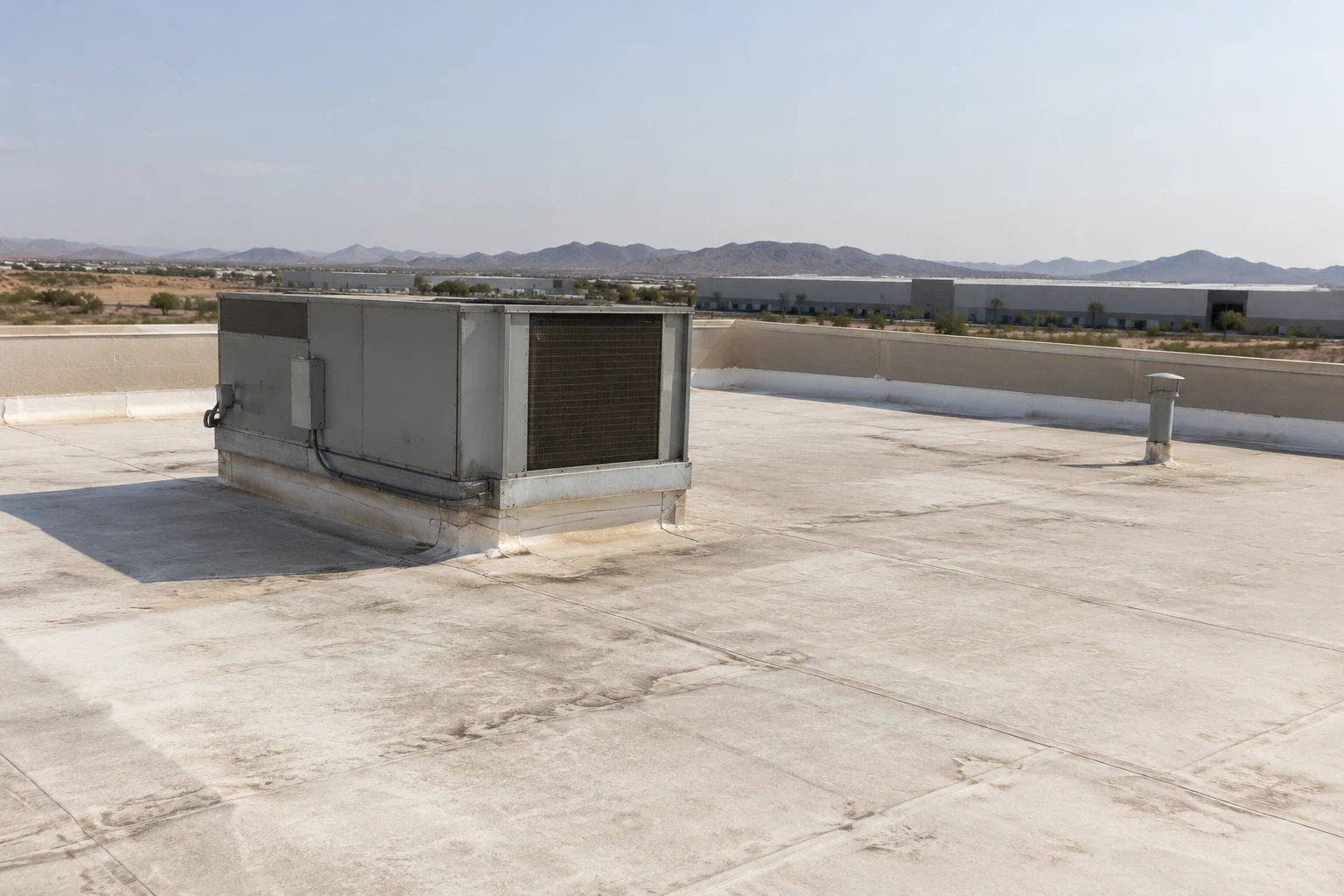
Commercial Roofing Questions
Can you repair a roof over active racking?
Yes, with a plan for the product below. We move, cover or schedule around stock in the affected bay, and we close the opening before the shift ends.
How do you schedule around peak weeks?
The operator names the weeks that cannot take disruption. We schedule repairs and larger scopes outside them, and keep emergency response available during them.
What if a client reports water damage and blames the roof?
We inspect the roof section above the reported location and photograph what we find. The record helps the operator and the landlord establish the source.
Do dock canopies and loading areas need separate attention?
Yes. Canopies and dock-door headers have their own flashing and drainage details, and they are often the first place water gets behind a wall.
Can one inspection cover buildings in different towns?
We can group visits by area. Each town has its own licensing and permit steps, so we confirm those before scheduling the crew.