
Commercial Roof Inspections in St. George, UT
Commercial Roof Inspections Overview
An inspection in St. George, UT is scheduled around the sun. With daily highs above 100 degrees in July and August at the NOAA station, a dark membrane is best read early, before surface heat softens the sheet and makes seams look tighter than they are. No station figure is a reading on one roof, but it is reason enough to book the first slot of the day and bring water for the crew.
The goal of the visit is a defined decision. We walk every part of the roof, photograph what we find, separate confirmed condition from open questions and hand the asset manager a report that supports a repair, a maintenance plan or a capital request.
What do you need to have ready before the walk?
Records shorten the visit. Original roof plans, warranty papers, prior inspection reports, repair invoices and a list of rooftop equipment tell us what the roof is supposed to be, which helps us see where it has departed from that. Without them, we establish the assembly with a small core sample where the owner permits it.
Access is the other half. We need to know where the roof hatch or ladder is, whether a key or badge is required, what hours the building allows and who to call if a door is locked. Tenant notice for after-hours entry is easier to arrange before the visit than during it. A short call about access saves a return trip.
If a prior owner or property manager held the roof file, ask for it before the visit. A repair history showing three patches at the same curb tells us where to start. A clean file showing none tells us the roof has been quiet, and we weigh that against what we see on the surface.
What does a hands-on inspection actually cover?
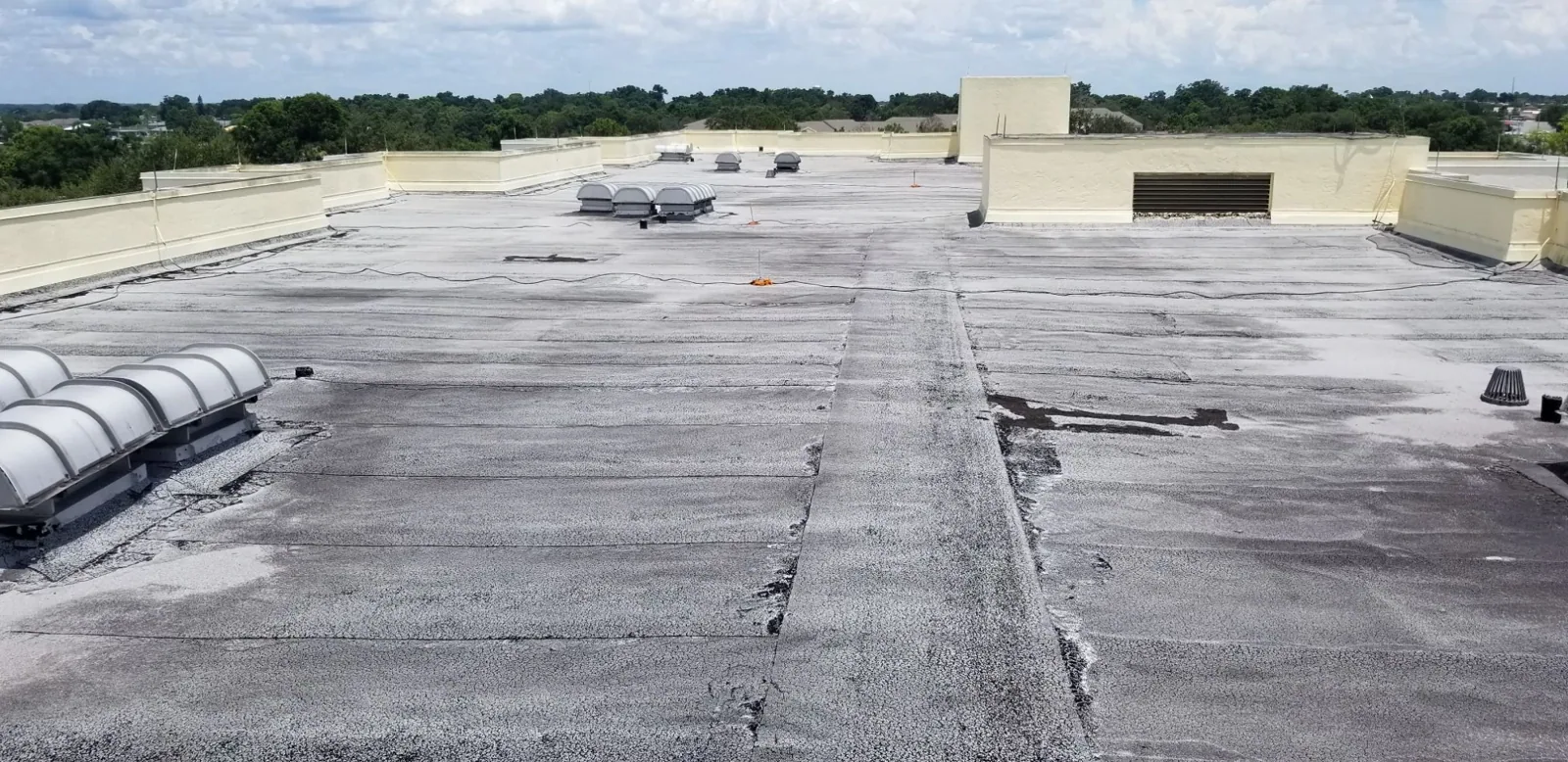
We cover the field, the perimeter and every penetration. In the field we look for blisters, splits, ridges, punctures, ponding and worn membrane. At the perimeter we check edge metal, copings, parapet flashing and counterflashing. Around penetrations we examine pipe boots, conduit, curbs and equipment supports, probing sealants by hand to see what has cracked.
Drainage gets its own pass. We trace the water route from the highest point to the drain, check that strainers and sumps are clear, and note any place that holds water longer than it should. A clogged drain in a dry climate may go unnoticed for months, then fail the first time a real storm arrives. Every finding is photographed and located on a roof diagram.
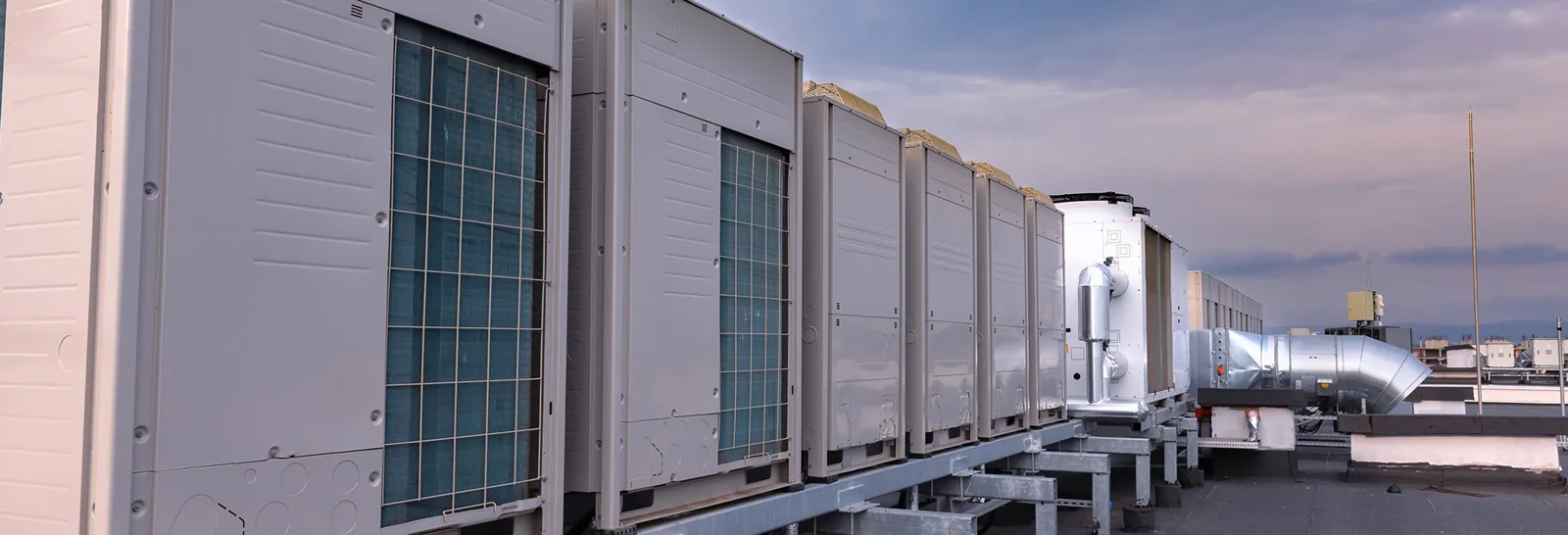
Equipment work leaves marks. We look for the paths technicians have worn between units, loose panels left unfastened, dropped screws that can puncture a sheet, and condensate lines that discharge onto the membrane. Those small habits cause leaks years before the roof reaches the end of its life, and they are among the cheapest items to correct.
How do you tell if the roof is wet underneath?
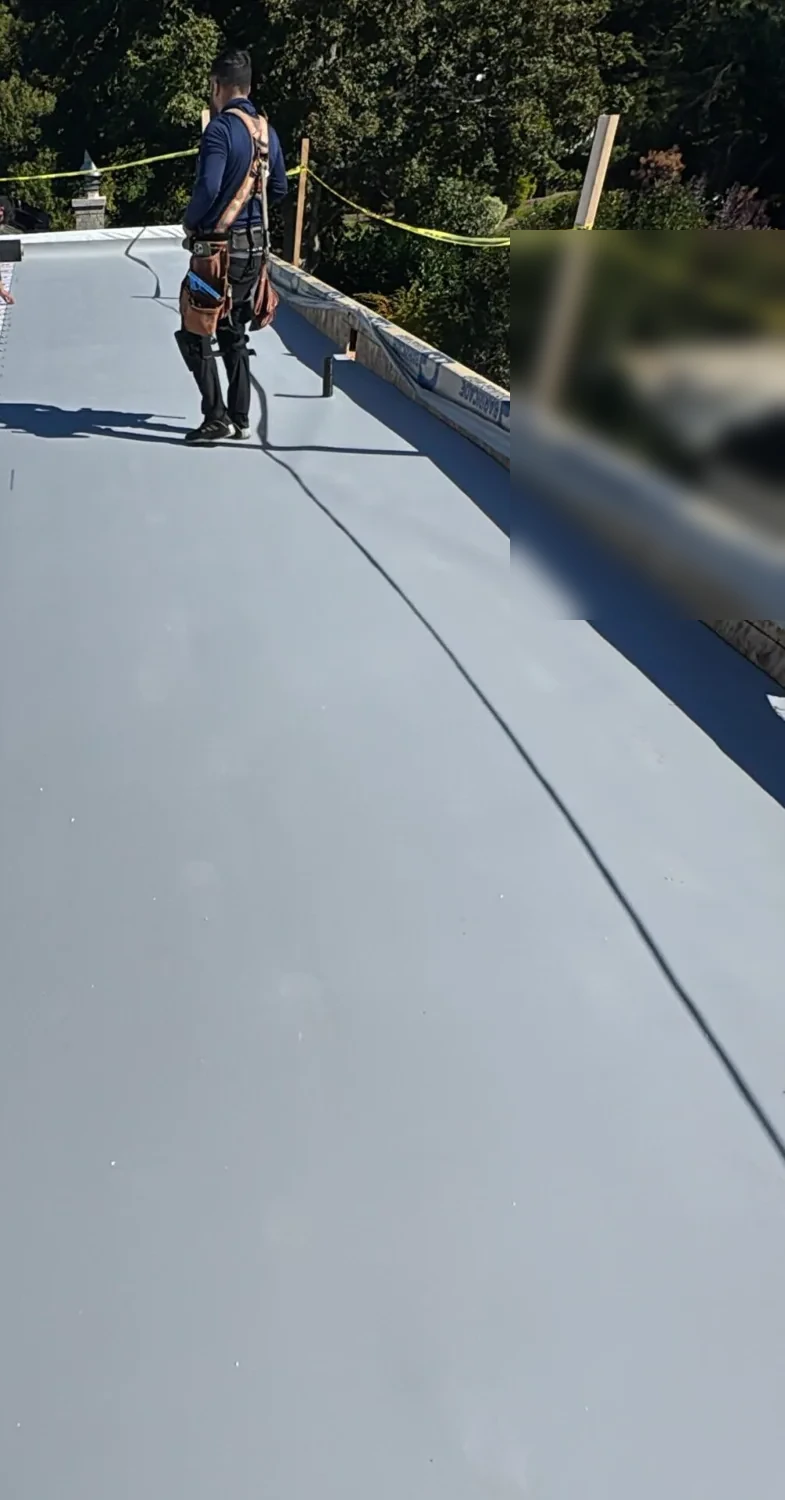
The surface does not show it. A membrane can look intact and sit over saturated insulation. For that reason a thorough inspection includes some form of moisture evidence: a nuclear or capacitance meter, an infrared scan after sunset, or core cuts where the scan flags a reading. Each method has limits, so we use the one that fits the roof and say which one we used.
For large roofs or ones with difficult access, drone imagery adds a survey layer. It speeds the first look and records condition from above, but a drone cannot probe a seam, so the hands-on walk still finishes the work.
Timing matters for infrared. Scans work best on a clear evening after a warm day, when wet insulation cools more slowly than dry material around it. In summer that window is easy to find. In winter, with February the wettest month at 1.38 inches at the station, a recent rain can confuse the surface readings, so we schedule scans for a dry stretch.
What does the written report tell you?
A report that cannot support a decision is not worth the paper. Ours opens with a summary of roof type, apparent age, overall condition and the main findings, then lists each defect with a photograph, location and recommended action. Items are sorted into immediate repair, planned repair and watch items, with the reasons for each rating.
The report also names what we could not confirm. If a section was inaccessible, if records were missing or if a core was not authorized, that goes on the page along with the effect on the recommendation. The asset manager then knows which findings are firm and which are still open, and can authorize the next step knowing what it will resolve. For owners building a long-range plan, the findings feed a formal condition report and the capital plan.
Photographs carry most of the weight. Each defect appears with a close view and a wider view that shows where it sits on the roof, so a manager who has never been up there can still find it. Findings are numbered to a diagram, and priority ratings come with a short reason, not a color code alone.
Which buildings benefit most from regular inspections?
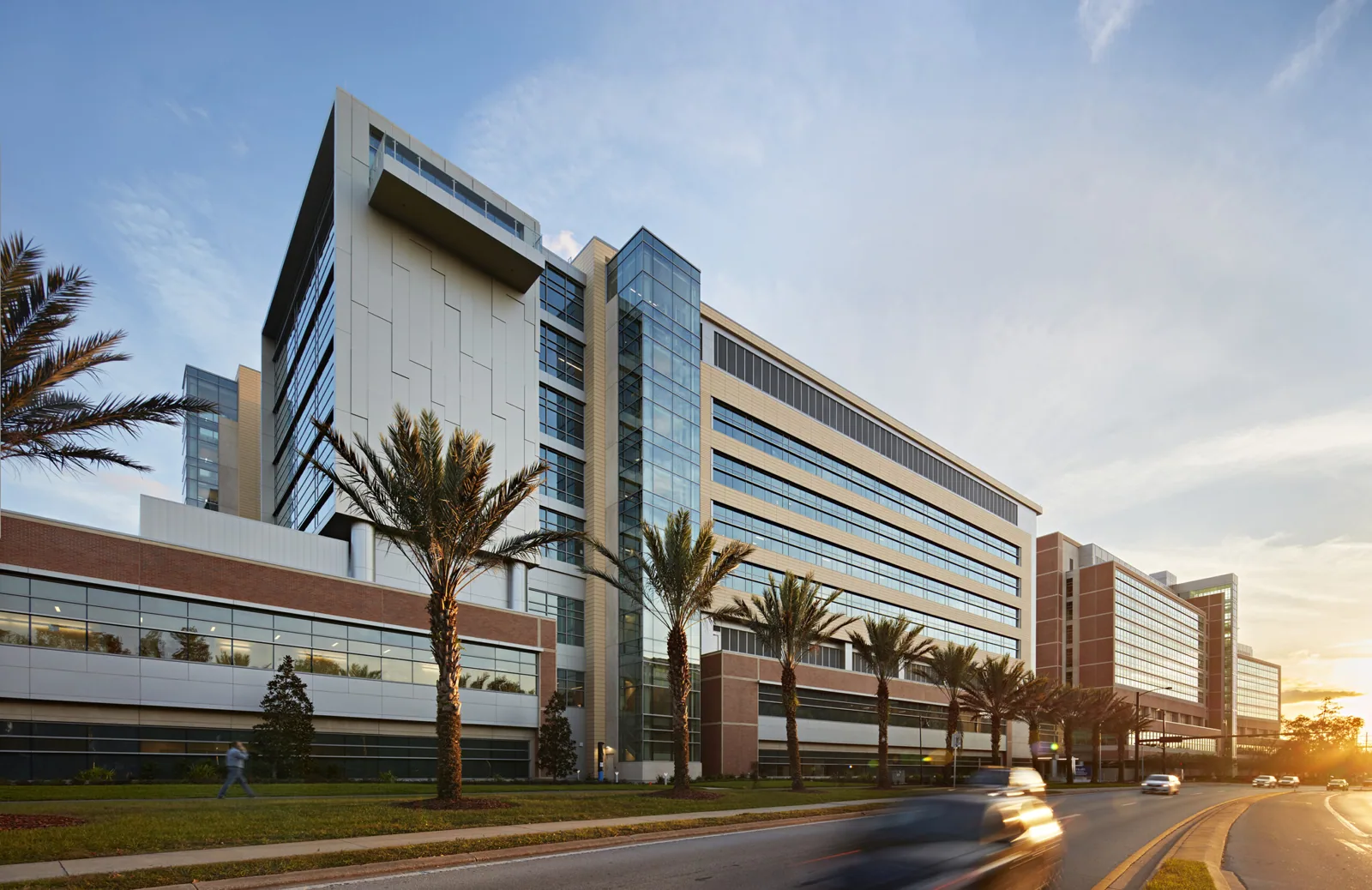
Any roof with rooftop equipment, as every service visit risks damage. Buildings in mixed-use areas such as Tech Ridge, with office, retail and residential uses planned together, may hold several roof types on one site, each wanting its own check. Industrial roofs in Fort Pierce Industrial Park, where zoning allows warehousing, fabrication and wholesaling, have different traffic and drainage patterns than a retail strip.
The city's commercial stock is largely post-1980, but roof age and overlay history still have to be confirmed building by building. An inspection is the time to sort the roofs heading toward repair or replacement from those that can wait. Inspections are also tied to events: after a storm, before a sale, at lease turnover or ahead of a budget cycle. Each of these has a different question, and we shape the visit around it.
Commercial Roofing Questions
How long does an inspection take?
Time follows roof size, access and the findings along the way. A small building may take an hour or two, while a larger roof with many penetrations takes longer. We tell you the expected duration when we schedule, and we plan the start to avoid the hottest hours.
Will you walk on the membrane?
We walk it where it is safe, using protective pads over fragile or heat-softened areas and avoiding wet or damaged sections. A hands-on inspection involves touch: probing seams, flexing flashing and pressing on soft spots. Where walking is unsafe, we use a drone or a ladder-based view and say so in the report.
What does the report cost?
The price depends on roof size, access and how much moisture testing the roof needs. We quote after learning the building size and the questions the owner wants answered. A plain condition walk costs less than one with infrared scanning and cores, and the proposal lists each piece so you can choose.
Is an inspection required for the warranty?
Many manufacturer warranties expect periodic inspection and prompt repair of defects. The warranty paperwork spells out the requirement. Send us a copy and we will build the schedule and the report format around it so the records are ready if a claim is ever needed.
Can inspection findings support an insurance claim?
Dated photographs and written findings taken near the time of loss help a claim, particularly when they separate storm damage from long-term wear. We record what the evidence shows and avoid assigning cause beyond it. The insurer decides coverage.