
Emergency Roof Repair in St. George, UT
Emergency Roof Repair Overview
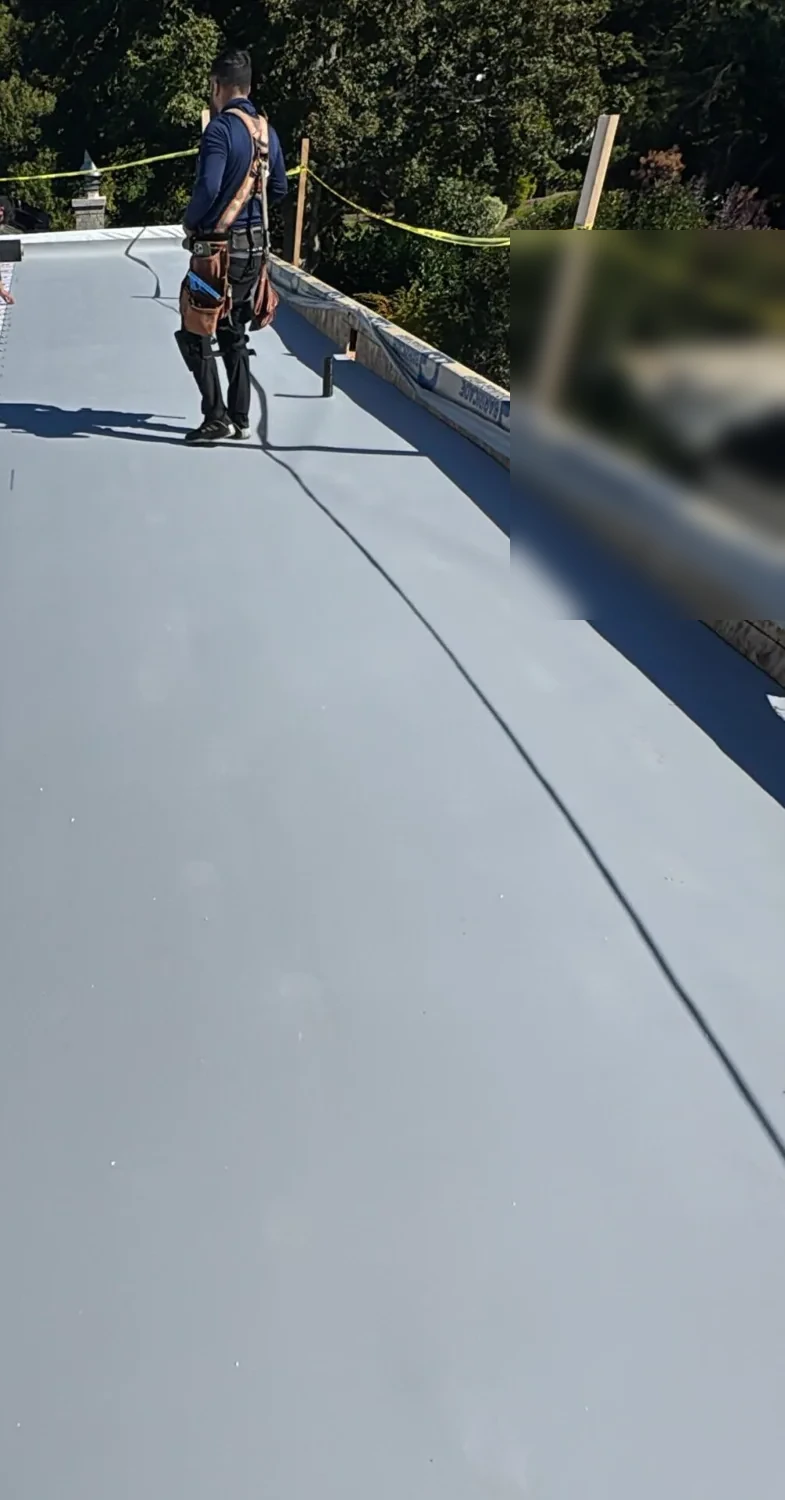
The call comes with an address, a wet floor and a question about how fast a crew can reach the roof. We answer around the clock, holidays included, because roof damage does not wait for a workday. Our first goal is narrow: stop the water entering the building and make the roof safe to leave. Everything after that, from the permanent scope to the insurance record, is easier when the dry-in is done correctly.
St. George, UT adds a few local conditions to that first visit. The station normals show highs near 100 degrees in July and August, so an overnight call may be the coolest working window of the day. Rainfall averages 9.31 inches a year, so a roof that has gone months without a test can show its weak points all at once when water does arrive.
What should the first call include?
Give us the address, the part of the building where water is entering and whether anyone is in the space below. Add the access arrangement: a roof hatch, a ladder, a locked gate, a security desk. Tell us if electrical panels, server rooms or stored inventory sit under the wet area. We use those answers to decide what equipment goes on the truck and who calls the building contact on the way.
Photographs help. A picture of the stained ceiling, the pooled water or the damaged equipment tells the dispatcher what to expect before the crew arrives. If the roof is visible from the ground or from another building, send a photograph of that too.
Heat belongs in the plan as well. A response on a July afternoon may need to wait for the roof surface to cool enough for safe work, while the same job at night can go ahead at once. We weigh the urgency of the water against crew safety and tell you what the timing will be.
How does a crew dry in a commercial roof?
The method fits the roof. On a single-ply membrane, a torn section can be covered with a temporary patch that bonds to a clean, dry surface. On a built-up or modified bitumen roof, cold-applied mastic and reinforcing fabric close a split. Heavy polyethylene sheeting, weighted or fastened at the edges, covers a larger opening when the surface is too damaged for a patch.
Wind is what undoes temporary work, so edges and corners get fastened first. We avoid driving fasteners through wet insulation where we can, and we mark every temporary repair on the roof plan so the permanent crew knows what to remove. A tarp is a short-term measure. It stops the immediate flow of water, but it does not restore the roof, and we say so in the written findings so the owner knows how long it can be expected to serve.
Some emergencies are not leaks at all. A blown-off section of membrane after wind damage, a fallen rooftop unit or a drain that has backed up and loaded the roof with water each call for a different first move. A backed-up roof is drained or relieved before anyone steps on it, because ponded water adds weight and hides the surface underneath. We assess the structure first and the membrane second.
What do you do inside the building?
Water reaches the interior before the roof is closed, and the people inside need a plan. We help move stock away from drips, lay plastic over equipment and set containers under active leaks where it is safe to do so. When water is dripping through light fixtures or near panels, we ask the building electrician to make the area safe first, because electricity and water share the ceiling cavity.
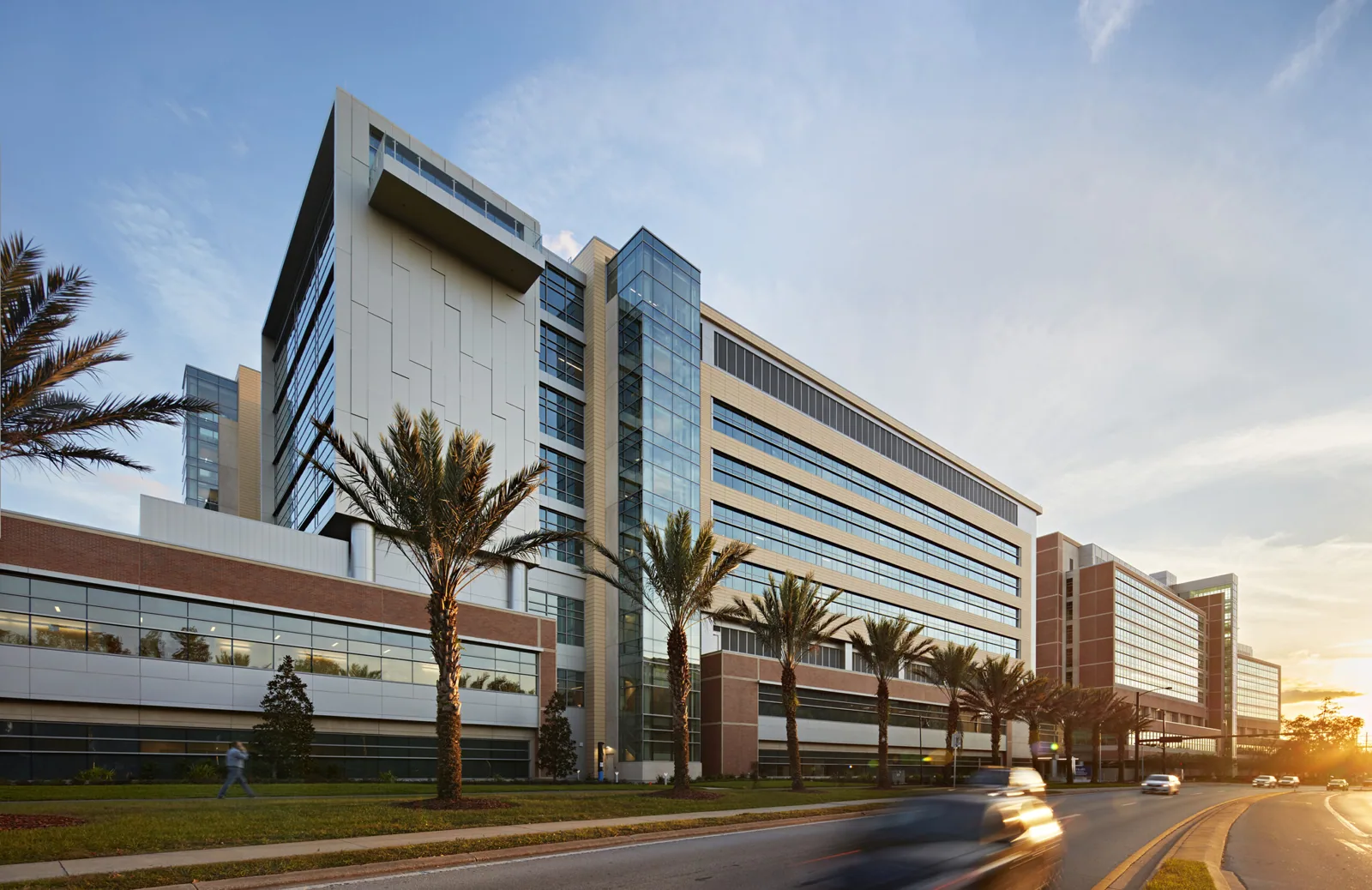
For medical, food or data uses, the priorities change. A clinic near River Road may need an exam room protected first, a warehouse its pick aisles, an office its server closet. The building contact knows which area carries the highest cost, and we follow that order.
What records come out of an emergency visit?
Before any material goes down, we photograph the roof as we find it: the damage, the surrounding membrane, the drains, debris and any signs of what caused the opening. Those images, with location notes, make up the first record. If a storm is the cause, the storm damage record builds on the same photographs.
Insurance depends on that record. A claim needs the date, the apparent cause, the extent of damage and the steps taken to prevent further loss. We write what we saw and did, and we avoid assigning cause beyond what the evidence supports. Our claim documentation follows the same file.
What happens after the roof is tarped?
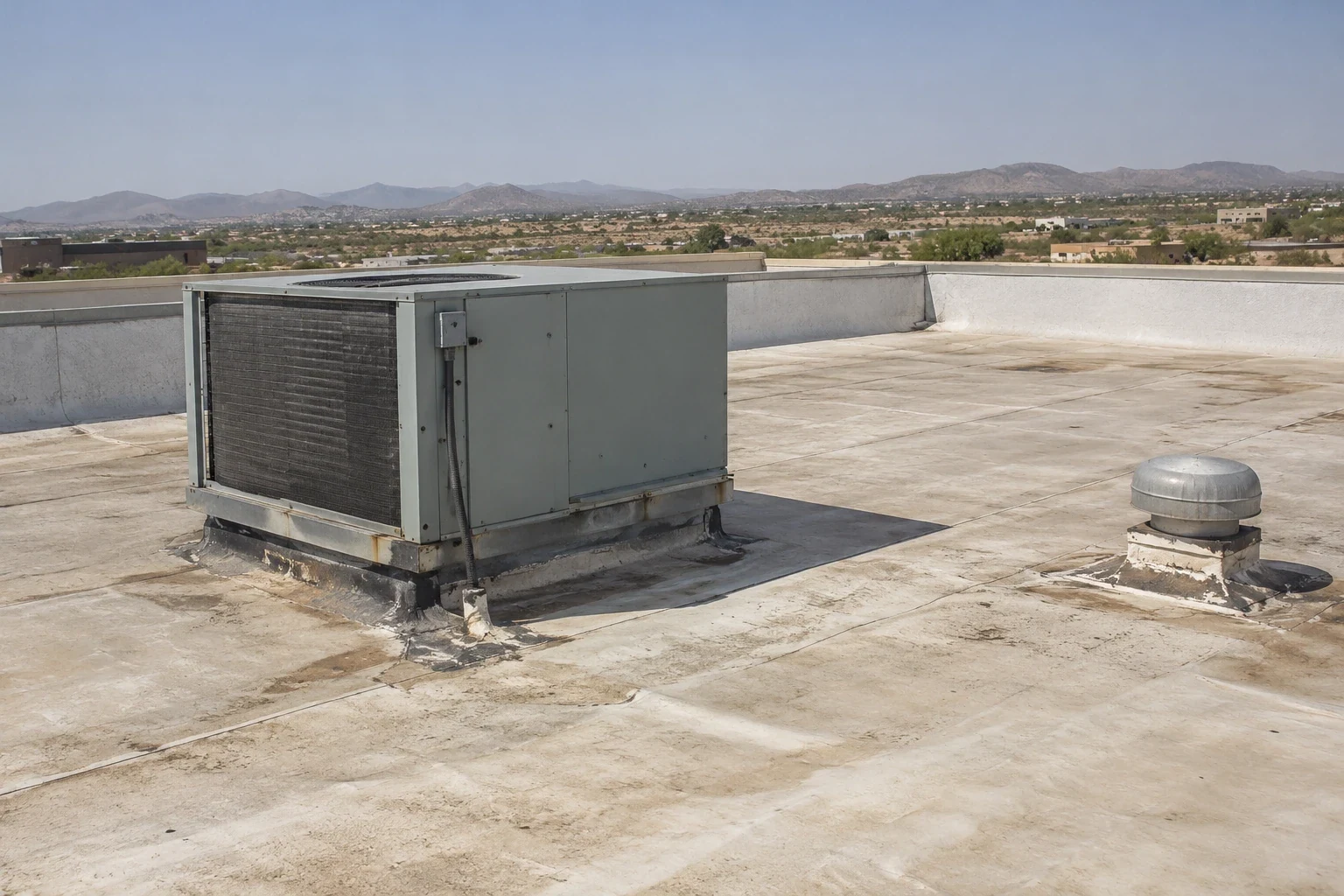
The next step is a proper look in daylight. We return to measure the damage, test for wet insulation and decide whether the permanent fix is a repair, a section replacement or something larger. If the roof held wet material across a wide area, an infrared moisture survey maps it before the scope is set.
The decision then moves to the asset manager. A planned repair costs less when the building is stable, and a larger scope goes to the capital team with the evidence attached. The emergency visit leaves behind a short list of open questions and a clear next decision, so the response does not turn into a string of temporary fixes.
The permanent repair is matched to the membrane in place. A single-ply roof such as TPO takes a heat-welded patch, while a coated or modified bitumen surface gets a compatible repair system. We confirm the material before ordering, so the permanent fix is not a second temporary one.
Can you reach buildings across the St. George area?
Dispatch works from the regional road network: Sunset Boulevard, River Road, Bluff Street, St. George Boulevard and Interstate 15 are the reference routes we dispatch along. For a building in Fort Pierce Industrial Park or on the business and retail frontage along those routes, we confirm the exact property access when you call.
Gates, guard desks and tenant after-hours rules slow a night response more than distance does. Give us the contact who can open the building, and the best entrance for a truck. If the property has a roof-access policy or a safety briefing, send it ahead, so the crew spends the first minutes on the roof and not at the door.
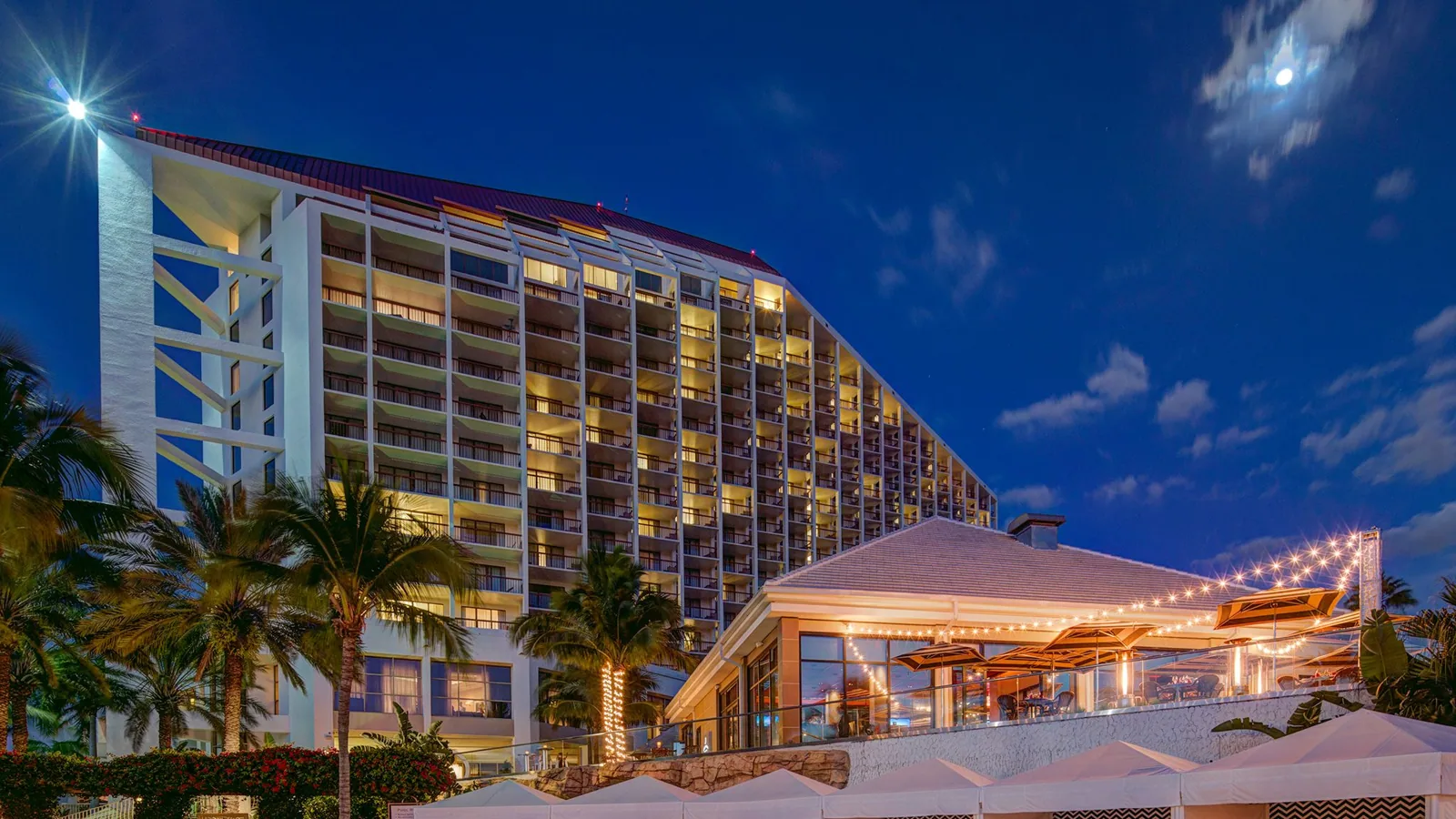
For owners with more than one building, a standing list of site contacts, roof hatch locations and equipment shutoffs saves time in a real call. We help build that list during preventive maintenance visits, so the emergency crew starts with the building already mapped.
Commercial Roofing Questions
How quickly can a crew reach the roof?
We tell you at the time of the call. Arrival depends on where the crew is, the weather and what the roof requires. Give us the address and the access details, and we will say when someone can be on the roof and who will meet them.
Will a tarp be enough until the permanent repair?
For days or weeks, often yes, if it is fastened against wind and checked after weather. It is not a long-term roof. We note how long the temporary protection can be expected to serve and when to recheck it, so the permanent scope is scheduled before the tarp becomes the weak point.
Do emergency visits cost more?
After-hours and urgent work is priced differently from a planned repair because the crew, equipment and timing are different. We give you the basis for the charge before work starts, whenever the situation allows, and the permanent repair is priced separately.
What should we shut off before the crew arrives?
Turn off power to circuits under the wet area if it is safe to reach the panel, and keep people out of rooms with sagging ceilings. Do not climb onto a wet roof. Photograph the damage from inside. Leave the rest to us.
Does an emergency repair affect the roof warranty?
A temporary repair made to prevent further damage is usually treated differently from a permanent alteration, but terms vary. Send us your warranty paperwork and we will review the conditions before the permanent scope is set.