
Built-Up Roofing in St. George, UT
Built-Up Roofing Overview
Gravel on a built-up roof is not decoration; it is the first thing we check, because loose stone ends up in drain bowls and bare spots expose the asphalt to the sun. At the NOAA station St. George's July highs average just under 102 degrees and August's about 100, and a built-up membrane that has lost its surfacing ages faster under that load. We open a built-up roof visit by reading the surface, then the plies below it, then the drains the stone has been feeding.
Built-up roofing is a stack of reinforcing felts or sheets laid in hot or cold asphalt and finished with gravel, a cap sheet or a coating. The stack gives the roof redundancy and makes diagnosis harder, since a surface crack and a wet ply can look the same from above. The asset manager leaves with a documented condition, the open questions and the next decision. A commercial roof inspection is where the file starts.
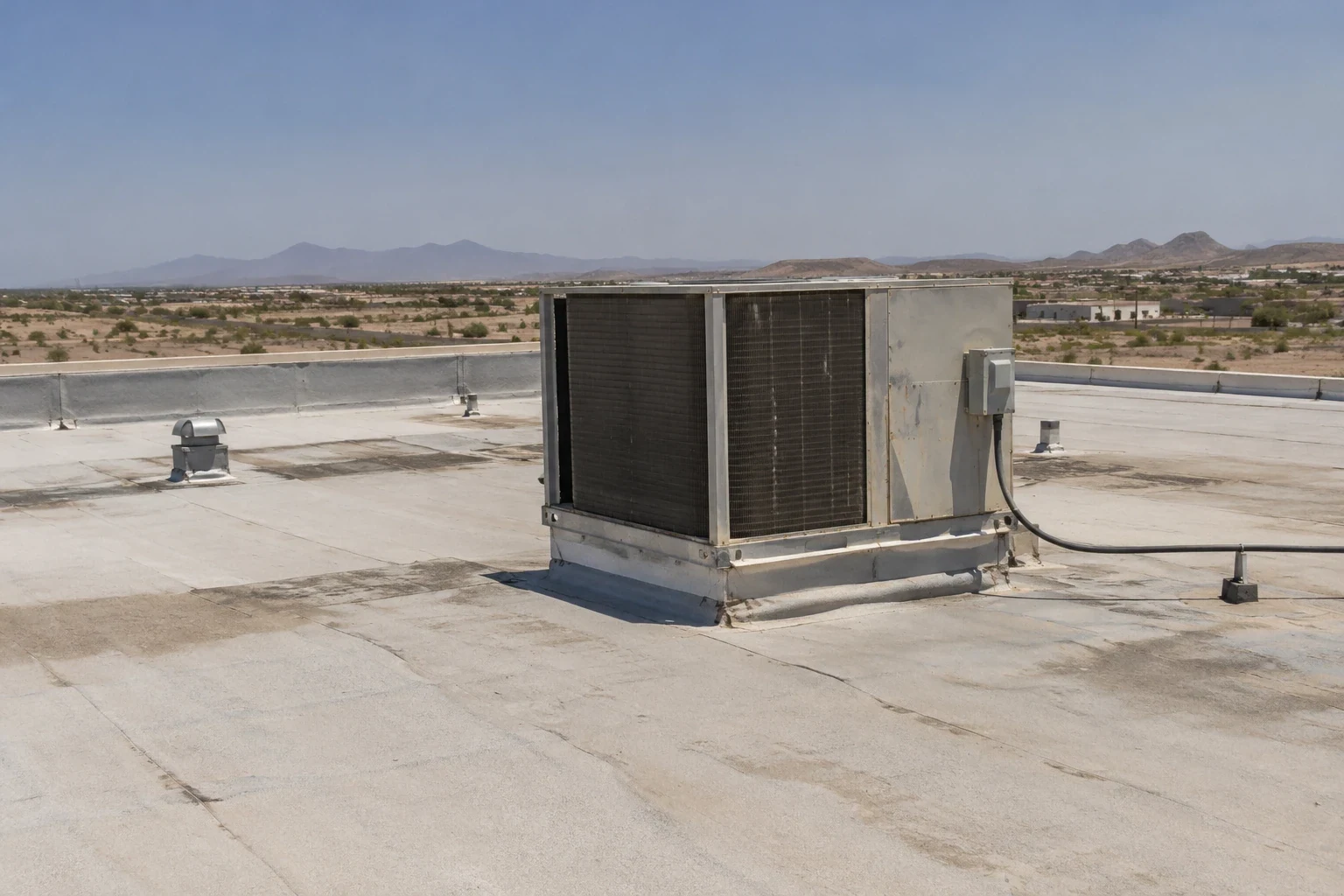
How do the plies share the work?
Each ply adds waterproofing and strength, and the asphalt between them bonds the stack into one membrane. When the bond holds, a small surface defect stays small because the plies below keep water out. When the bond lets go, blisters rise where air or moisture is trapped between plies, and ridges form along seams in the felts.
We compare the visible field with the laps, penetrations and wall transitions before suggesting a patch. Records help; where they are missing, a small core counts the plies, shows the insulation and reveals wet board. A roof that has been repaired many times can carry patches over patches, so the roof plan marks each known layer and where a repair boundary begins.
Splits deserve their own note. A straight split that runs the length of an insulation joint usually follows thermal movement in the board below, while a short split near a wall points to restrained edges. The first can be repaired and watched; the second tells us a detail is working against the roof, and that detail goes into the scope.
What does the surfacing tell us?
Gravel protects the asphalt from sunlight and from foot traffic. Where it has blown, washed or been swept away, the bitumen shows black and starts to craze. Alligatoring, a pattern of small cracks like reptile skin, means the surface has hardened under years of sun and no longer flexes with the roof.
Stone also moves. It collects against parapets and in valleys, and it drifts into drain bowls, where it blocks the flow. We rake it back, clear the strainers and note the bare patches for re-surfacing. A drain and scupper visit after a windy spell is often the cheapest repair the roof will ever get.
Re-surfacing bare areas with fresh gravel or a protective coat is priced as a separate line.
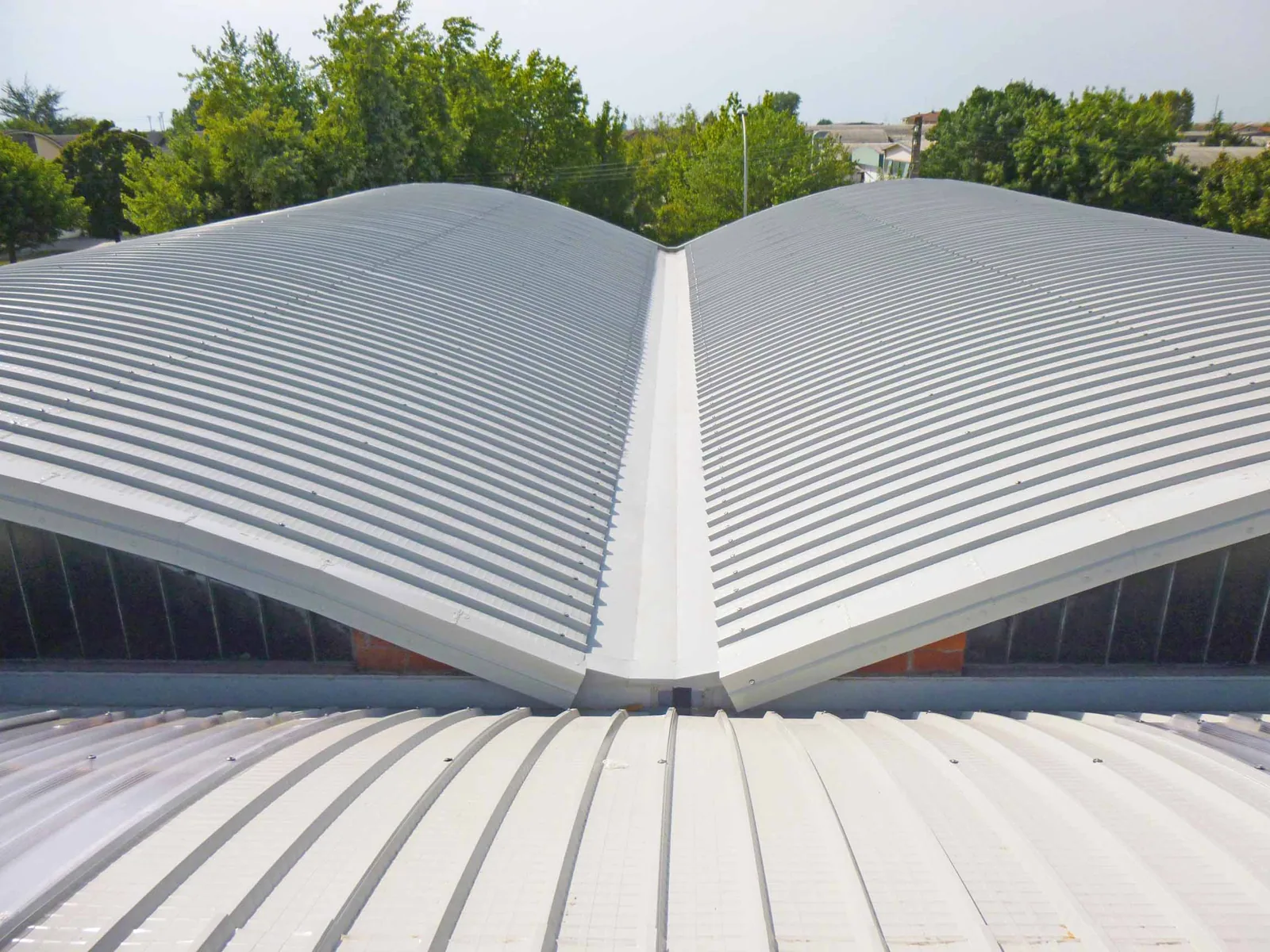
How does a dry climate change the diagnosis?
Yearly rain is 9.31 inches in the station normals, with 1.38 in February and 0.16 in June, so a built-up roof can look sound through weeks of dry weather and leak at the first storm that finds a split. Heat has its own effect: asphalt softens in July and August, and a roof that is walked heavily in summer can scuff, rut or displace its surface.
We therefore schedule the walk early, watch where the traffic has worn the stone away and plan walkway pads where the paths run. If the question is hidden water, an infrared moisture survey after sunset maps wet insulation, and cores confirm it before anyone writes a tear-off limit.
When the plies are dry and well bonded but the surface is worn, a fresh flood coat with new gravel or a silicone coating can reset the exposure. Which one fits depends on weight, drainage and what the owner wants the roof to do over the next several years, and the moisture map comes before the product choice.
Does another layer belong over the old roof?
A recover is an assembly decision, not a faster way to cover damage. We count the layers already on the roof, check the attachment, test for moisture and measure edge heights and drain clearances against the proposed system. Wet insulation, a soft deck or widespread separation make removal the better path. If an overlay is viable, the scope still has to resolve transitions, curbs and the perimeter metal.
Gravel complicates a recover. It is usually swept or covered with a board to give the new sheet a flat bed. Against modified bitumen, the nearest relative, a built-up repair uses different materials, so we do not tie one into the other without confirming the details. A recover review sits beside replacement in the proposal, with the evidence for each.
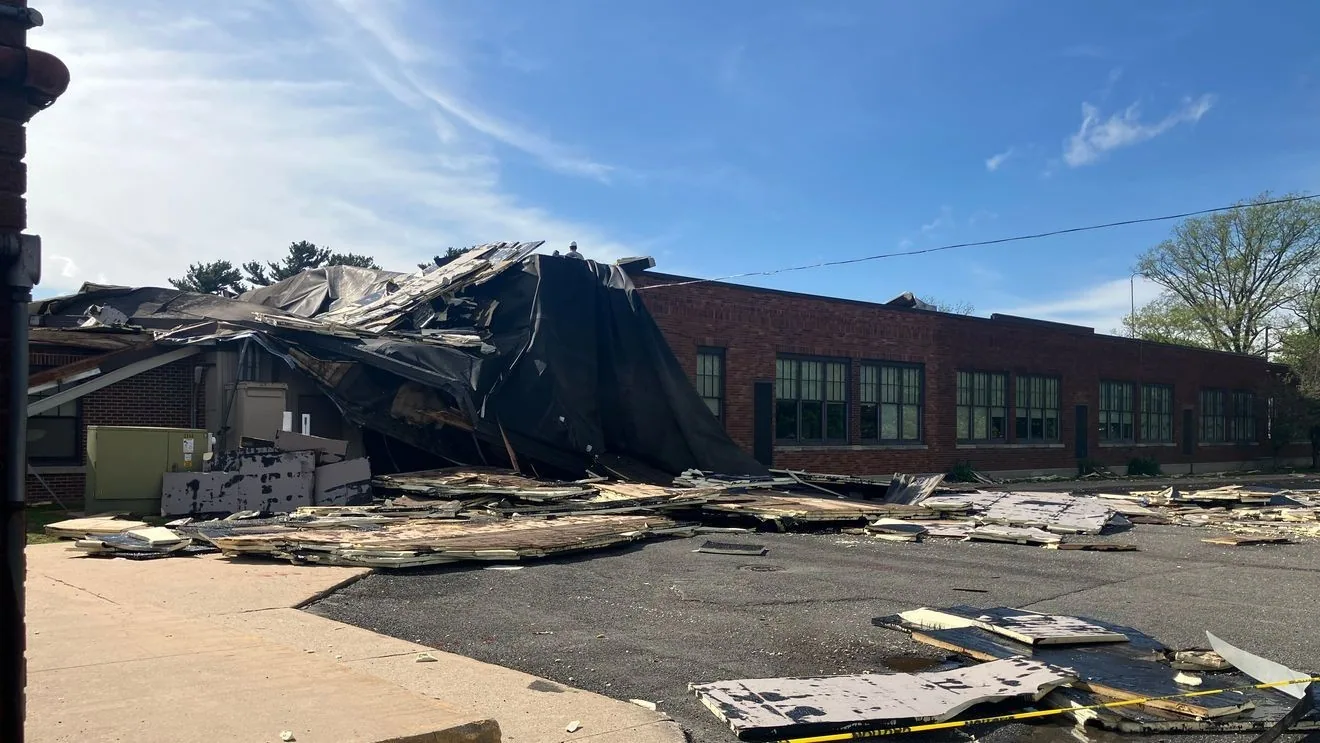
What do hot asphalt and torch work require?
A kettle or torch on a roof is a fire risk, and the work depends on the building's permission. We confirm hot-work rules, the fire watch and what sits below the deck before anything is heated. On an occupied building, fumes and noise reach the interior, so intakes are covered or shut down and the schedule keeps the loudest steps away from sensitive spaces. Cold-applied systems avoid the flame, with their own cure-time limits in summer heat.
Delivery plans matter as much as the crew. Rolls of felt and drums of asphalt are heavy, and a site beside the I-15 and St. George Boulevard network still has its own gate, its own dock and its own roof ladder. Those are confirmed before the lift is ordered.
Which option answers the building's next question?
A repair fits a limited defect in a dry, stable assembly. A recover fits a dry assembly that can carry another layer. Replacement fits broad failure, wet plies or a roof whose repairs no longer support the owner's goals. Cost and duration follow the amount removed, insulation work, edge and flashing details, disposal, occupied-hour limits and the number of work zones.
For permits, the City of St. George applies Utah's amended 2024 International Building Code at the permit-date edition. In Riverside Business Park and Fort Pierce Industrial Park, the roofs differ by building, and only a walk shows which are built-up. Send the roof plan, access rules and operating hours, and we will inspect the layers and leave a defined next decision.
Before any option is priced, a few small cores confirm the number of plies, the insulation type and whether anything below the surface is wet, so the numbers rest on layers instead of assumptions.

Commercial Roofing Questions
Can a built-up roof be patched if only one area leaks?
Yes, when the opening is limited and the plies around it are dry and bonded. We trace the path, check the layers and mark a wider boundary if moisture runs past the visible split.
How do we tell whether a blister needs repair?
A blister that is growing, open, soft or wet needs attention. A stable, small one can be watched. We check the bond and the board below before cutting.
Can gravel stay when we recover?
Usually it is swept or covered with a board. The choice depends on the stone, the attachment and the new system's bed requirements.
Why does gravel end up in the drains?
Wind and rain move loose stone toward low points. We rake it back, clear the strainers and re-surface the bare areas.
What belongs in the record after the work?
The repair limits, photographs of the layers found, the products used and the open items. The next inspection can then tell new work from old.