
Roof Drains and Scuppers in St. George, UT
Roof Drains and Scuppers Overview
A drain that has not been tested by rain for months is easy to forget, and that is exactly why it fails. St. George, UT, averages 9.31 inches of precipitation a year at the NOAA station, with February the wettest at 1.38 inches and June the driest at 0.16. Dust, grit, leaves and windblown litter collect in drain bowls and scupper openings through the dry stretches, and the first heavy storm finds them packed. Water then stands on the roof, loads the membrane and finds the nearest seam.
On a visit, we trace the drain route before anything else: where water falls on the roof, how it moves to an outlet and where it goes after that. We confirm which outlets work, which are blocked and which are missing. The asset manager gets the drain route as a plan with notes, plus the decision it points to: clean, repair, add or reslope. A commercial roof inspection is the usual starting point.
Is the drain actually open?
A drain can look clear from above and be blocked below. We remove the strainer, clean the bowl and flush the pipe to check the flow. We look for a cracked clamp ring, a loose or missing strainer, a drain bowl set too high above the membrane and a pipe that has separated below deck.
Overflow drains and scuppers matter just as much as primary drains. Many roofs with a parapet are required to have an overflow route so water cannot build up if the main drain clogs. We check that the overflow is present, set at the right height and unobstructed. A blocked scupper is often hidden by a sealant bead or a bird's nest, and a hard rain can turn a small obstruction into a flooded roof. We photograph each outlet before and after cleaning so the record shows what was found. Those photographs also show the property team what a clean bowl looks like, which makes their own checks between visits easier. If the pipe below the roof is cracked or disconnected, we stop at the roof line and tell the building contact, since that repair belongs to a plumber and the interior may need to be opened.
What fails at a scupper?
A scupper is an opening through a parapet or edge that lets water leave the roof. It fails where the membrane or flashing meets the opening: sealant dries, the liner separates or the sheet pulls away from the metal. The metal itself can corrode or bend. Downspouts and collector boxes below the scupper may be clogged or discharging against the wall.
Surface heat is a factor. St. George's July and August mean daily highs at the NOAA station are 101.9 and 99.9 degrees, and metal and sealant that bake through summer move, crack and lose adhesion. We reseal and reflash scuppers with compatible materials, replace damaged liners and reset openings that sit too high. Where the edge is failing too, edge metal and gutter repair can be done in the same visit so the water has a sound path from the roof to the ground.

Why does water stay on the roof after the rain?
Standing water points to one of four causes: a blocked drain, a drain set above the low point, a deck that has deflected or insulation that has compressed. We measure the depth and extent of ponding, mark the low area and check the drain's position against it. Water that remains after two days of dry weather is usually a problem worth fixing.
The fix depends on the cause. If the drain is blocked, cleaning solves it. If the drain sits high, we lower or add one. If the roof has settled, tapered insulation or a ponding water repair can create slope toward the outlet. A cricket, which is a small sloped section built behind a curb or penetration, can send water around equipment instead of letting it pool behind it. We show the owner the options with the cost drivers and what each leaves in place. Roof area, the depth of the low spot, the number of new outlets, the plumbing run to each one and the work needed inside the building to tie in a new drain line all move the price, and we separate them in the scope so the owner can see which one is driving the number.
Do tapered systems and crickets need insulation changes?
Often, yes. Tapered insulation adds slope by varying the thickness across the roof, and crickets use the same idea in small areas. Both change the roof height at the edge or the curb, so they affect flashing heights, parapet clearance and equipment curbs. We check those limits before designing the layout.
Statewide commercial energy enforcement of the 2024 IECC and ASHRAE 90.1-2022 starts July 1, 2026, and state amendments apply. A reroof or alteration may need to meet insulation requirements, and we confirm the path before the design is final. Slope and thermal value come from the same layers, so the choice of insulation and cover board is made with the drain plan in front of us, not after it.
How does the building shape the drain plan?
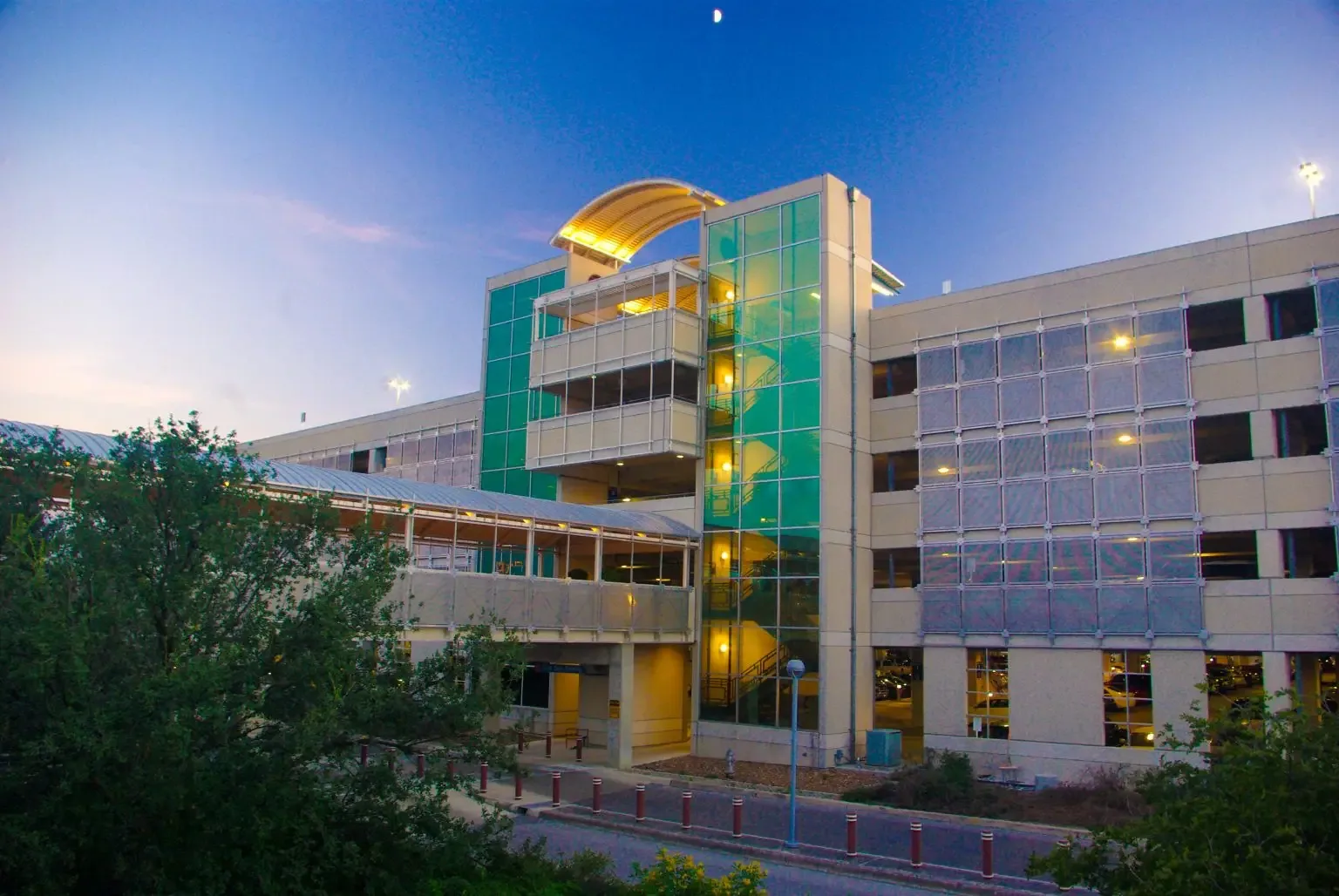
A large flat roof on a warehouse needs several outlets and an overflow plan. A smaller roof with a parapet on three sides can depend on a single scupper. Fort Pierce Industrial Park, per the armory environmental plan, is largely M-1 land for warehousing, light manufacturing and similar uses, so drain layouts there are likely to vary from one footprint to the next. The same is true at St. George Industrial Park, where each roof's drainage has to be read on the roof.
We walk each roof and record its drainage, then ask about the facility schedule so the work fits the operating day. A warehouse roof with racked stock below needs a plan that keeps water off the product, and a retail roof needs access during closed hours. On a production floor, the shift supervisor hears from us before anyone steps onto the membrane, and the roof plan, the safe access rules and the facility schedule decide how the drain work is sequenced.
Commercial Roofing Questions
How often should drains be cleaned?
Twice a year is a common starting point, once before the hottest months and once after. Roofs near trees, dirt lots or open ground may need more. We set the interval from what we find in the bowls.
Do I need an overflow drain?
Roofs with parapets typically need an overflow route in case the main drain blocks. Code and design determine the requirement. We check the existing overflow and tell you whether it is present, at the right height and clear.
Can ponding be fixed without replacing the roof?
Sometimes. A blocked or high drain can be corrected quickly. Tapered insulation or a cricket may add slope to a limited area. If the deck has deflected over a wide area or the membrane is near the end of its life, replacement may be the sounder choice.
What does a cricket do?
It adds slope behind a curb or other obstruction so water flows around it instead of stopping against it. It is built from tapered insulation and covered by the roof membrane, with flashing at the edges.
Will a clogged scupper void a warranty?
Some warranties require regular maintenance and exclude damage from ponding or neglected drains. Send us the terms and we will match the drain checks to them. Keep the cleaning records, because they support the owner if a question comes up.