
Silicone Roof Coatings in St. George, UT
Silicone Roof Coatings Overview
Silicone is the coating we reach for when a roof sheds water badly and the membrane under it is still sound. It stays flexible through the daily swing from a cool St. George dawn to an afternoon in a month where the NOAA station averages highs of 101.9 degrees in July, and it tolerates ponding that would soften many other coatings. A coating restores the surface of a working roof. It does not make a failing one serviceable, so the first visit is an inspection of what lies under the old finish.
We check adhesion, wet areas, seams, drains and penetrations, and then tell the asset manager whether the roof qualifies, what has to be repaired first and what the restoration is expected to deliver. A commercial roof inspection with a moisture check is the starting record.
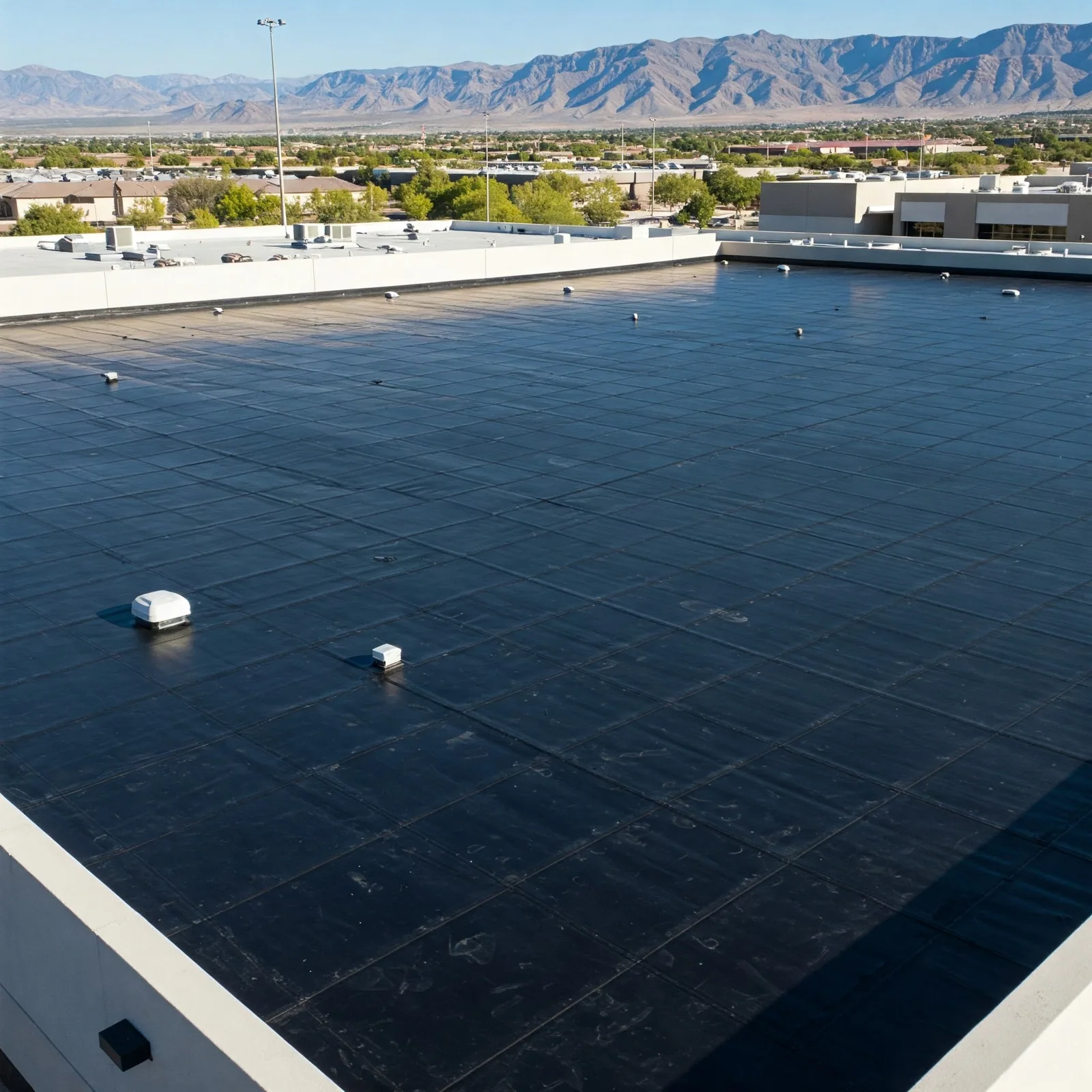
What has to be sound before the coating goes on?
A stable surface. We look for loose membrane, failed seams, rust, trapped moisture, deteriorated flashing, weak attachment and standing debris. Repairs come before cleaning and priming. A coating bridges a prepared surface within its limits; it does not secure a loose panel, dry wet insulation or rebuild a failed curb.
Where a leak report points to a wide area, we map the suspected path and check the assembly at likely entry points. If moisture is hidden, an infrared moisture survey picks the places for small test openings. Compatibility is the other gate: silicone sticks to many surfaces and nothing sticks to it, so once a roof is coated in silicone, later coats have to be silicone too. That one-way door belongs in the owner's decision before the first gallon is ordered.
Metal roofs add their own checks. Rust is treated and primed, loose screws are reset or replaced, and laps and seams are sealed and reinforced before the coating covers them. A coating over a screw that keeps backing out hides the opening for a season and then tears. Single-ply roofs get a cleaning and adhesion test, because a chalked or dirty sheet will not hold a coating no matter how well it is applied.
How does silicone handle standing water, and what still has to be fixed?
It handles it better than most coatings, and that is the property owners notice. A roof that holds water for a day or two after a rare rain can still be coated in silicone where it would not suit an acrylic, provided the coating system and the substrate are specified for that exposure. The coating does not drain the pond. It does not make a blocked scupper open, and it does not cure a sagging deck.
The station's normals total 9.31 inches of rain a year, February's 1.38 inches the high and June's 0.16 the low, so water comes in short, uneven episodes. We check drain bowls, scuppers and low areas for debris or retained water before anything is sprayed or rolled, and drain and scupper repairs go into the scope when an outlet is part of the problem. The finished plan states how water leaves each work area. Where a low area needs help, a cricket behind a curb or a patch of tapered board goes in before the coating so the coating does not sit in a bathtub.
A silicone surface is slick when wet and tends to hold dust until a storm washes it. Walk paths to rooftop equipment get a granule-embedded walkway coat or pads, and the maintenance plan includes an occasional wash. None of that is unusual; it is the price of a surface that sheds water and sunlight well, and the owner should see it in the plan before approving the work.
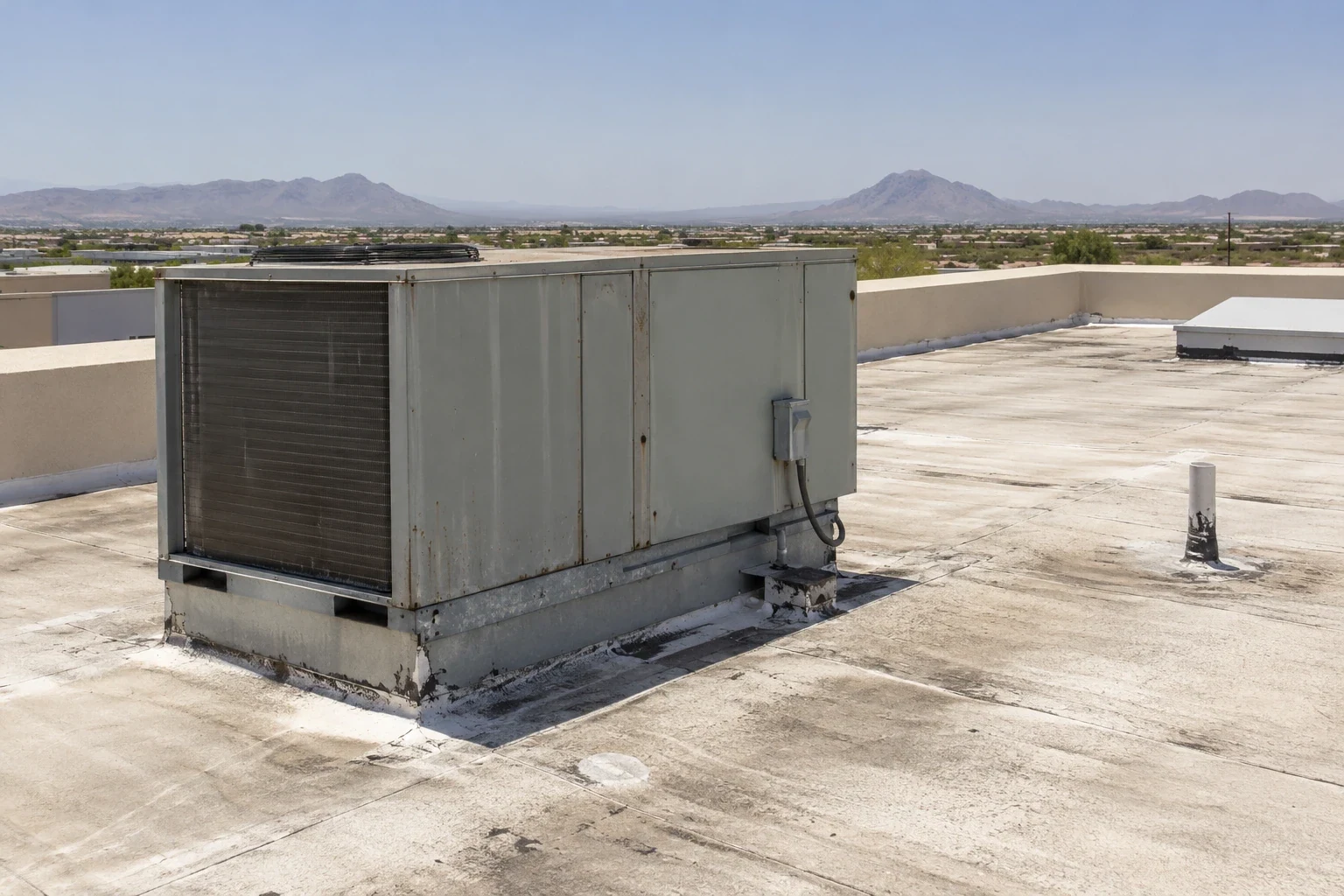
What happens between cleaning and the final coat?
The roof is washed, unsound coating is removed and failed seams, penetrations and transitions are repaired. Adhesion is tested on a patch before the full roof. Primer, reinforcing fabric and coating quantities come from the roof conditions and the product instructions. Skipping the preparation shortens the service life and can leave a leak path hidden under a fresh finish.
Many silicone coatings cure with moisture from the air, so humidity affects cure time, and dry desert air changes the timeline the product data sheet assumes. Heat limits the working window for the crew as well. We start early, apply what can be finished in the day, run the reinforcement continuously through drains and curbs and protect cars, glass and air intakes from overspray. Where the substrate is a foam roof, the spray foam assembly is checked first, because the coating protects the foam beneath it.
Does silicone fit better than acrylic?
Only where the roof calls for it. We compare compatibility with the existing surface, drainage, exposure, dirt pickup, the reinforcement needed and the owner's time horizon. An acrylic coating can suit a roof that drains well and needs a bright reflective surface at lower material cost. Silicone can suit a roof with recurring water. If the roof is wet below the membrane or the metal is loose, neither belongs in the options.
Cost and duration follow the area to be prepared, the repairs, primer, reinforcement and detail work, plus roof access, weather and occupied hours. A coating restoration review documents preparation and compatibility, and a replacement scope stays in the comparison when the layers below cannot hold a coating. Utah's amended 2024 International Building Code and the City of St. George permit-date edition apply when a project changes insulation or assembly height.
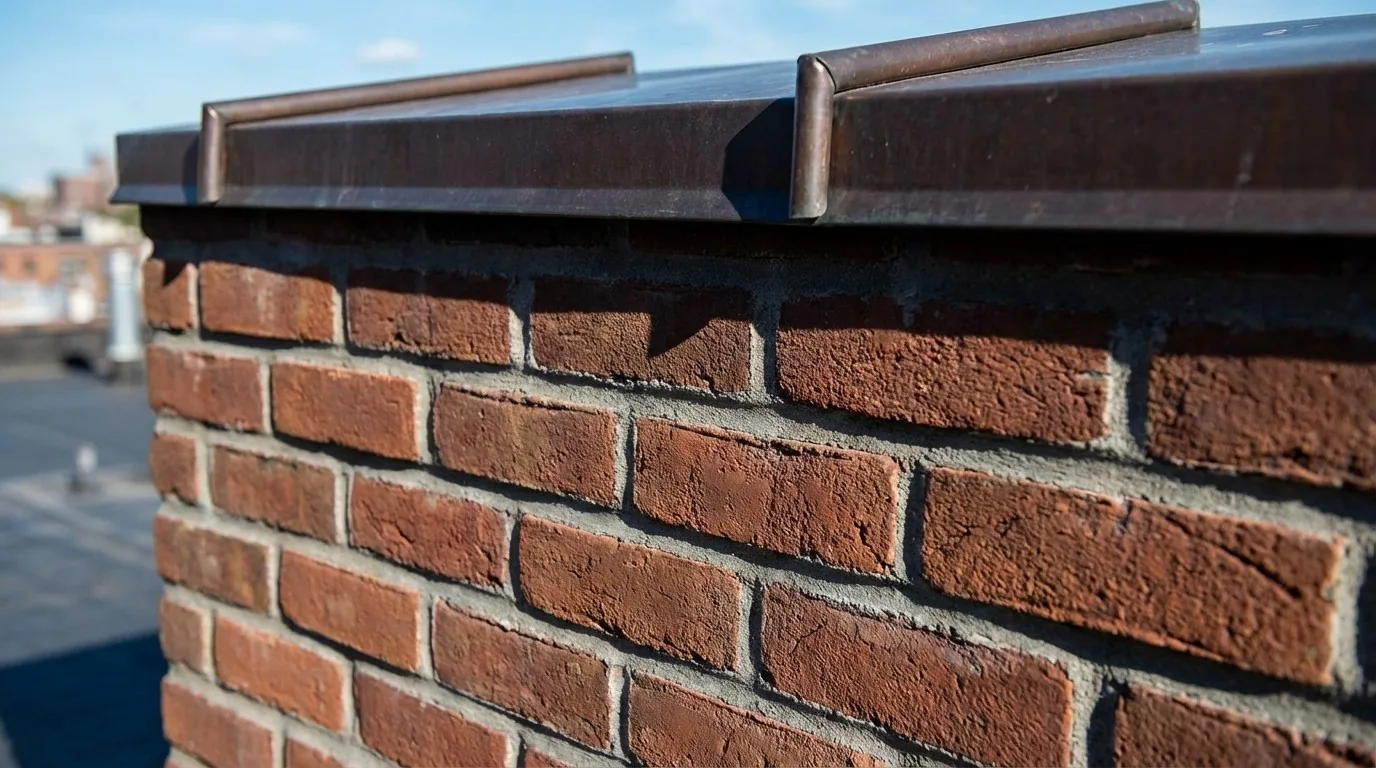
Where do silicone questions come up locally?
On roofs that pond and roofs that cannot take the disruption of a tear-off. The industrial uses allowed in Fort Pierce Industrial Park, largely M-1 land, and the commercial frontage along the River Road corridor mean buildings with very different drains, curbs and operating hours. Neither name says what is under a particular finish, so the inspection does.
After the work, the file records the areas prepared, the repairs made, the system chosen and the conditions left for observation. A coating job on an occupied building needs no torch or kettle, produces little debris and leaves the deck closed, which is why it often suits a tenant who cannot absorb a tear-off. The drains, penetrations, curbs and edges are marked on the roof plan with closeout photographs, so the next inspection can tell an older repair from new damage. A preventive maintenance visit then tracks coating wear, debris and drains. Send the property location, roof records, access rules and operating window. We will inspect the substrate and tie the next decision to that building.
Commercial Roofing Questions
Can silicone go over an existing commercial roof?
Yes, when the substrate, coating history, attachment and moisture condition support it. We test adhesion, repair failed details and remove unsound material first.
Will a silicone coating stop ponding?
No. It tolerates standing water but does not create slope or clear a drain. We correct the outlet or the low area first.
What makes a coating peel?
Poor cleaning, incompatible existing material, moisture, a missing primer or application outside the product limits. We inspect the failure edge before recoating.
Can I switch to another coating later?
Often not. Other coatings generally do not bond to cured silicone, so later coats are silicone. That is a decision to make before the first coat.
When should the roof be replaced instead?
When the substrate is broadly wet, unstable or too deteriorated to hold a coating. The moisture map and the test openings settle it.