
Commercial Roofing in Diamond Valley, UT
Diamond Valley Overview
Before a crew loads a truck for Diamond Valley, the first job is paperwork, and the paperwork is different from the rest of the St. George area. Washington County's business-license page places Diamond Valley under county licensing for unincorporated business locations, so the license and permit path runs through the county rather than a city counter. Washington County also lists a Diamond Valley Community General Plan and map among its community-planning references, which gives the area a defined identity on the regional map. Once that path is confirmed, the work follows the usual order: a safe-access walk, a written commercial roof inspection and a repair scope separated from the capital decisions that come after.
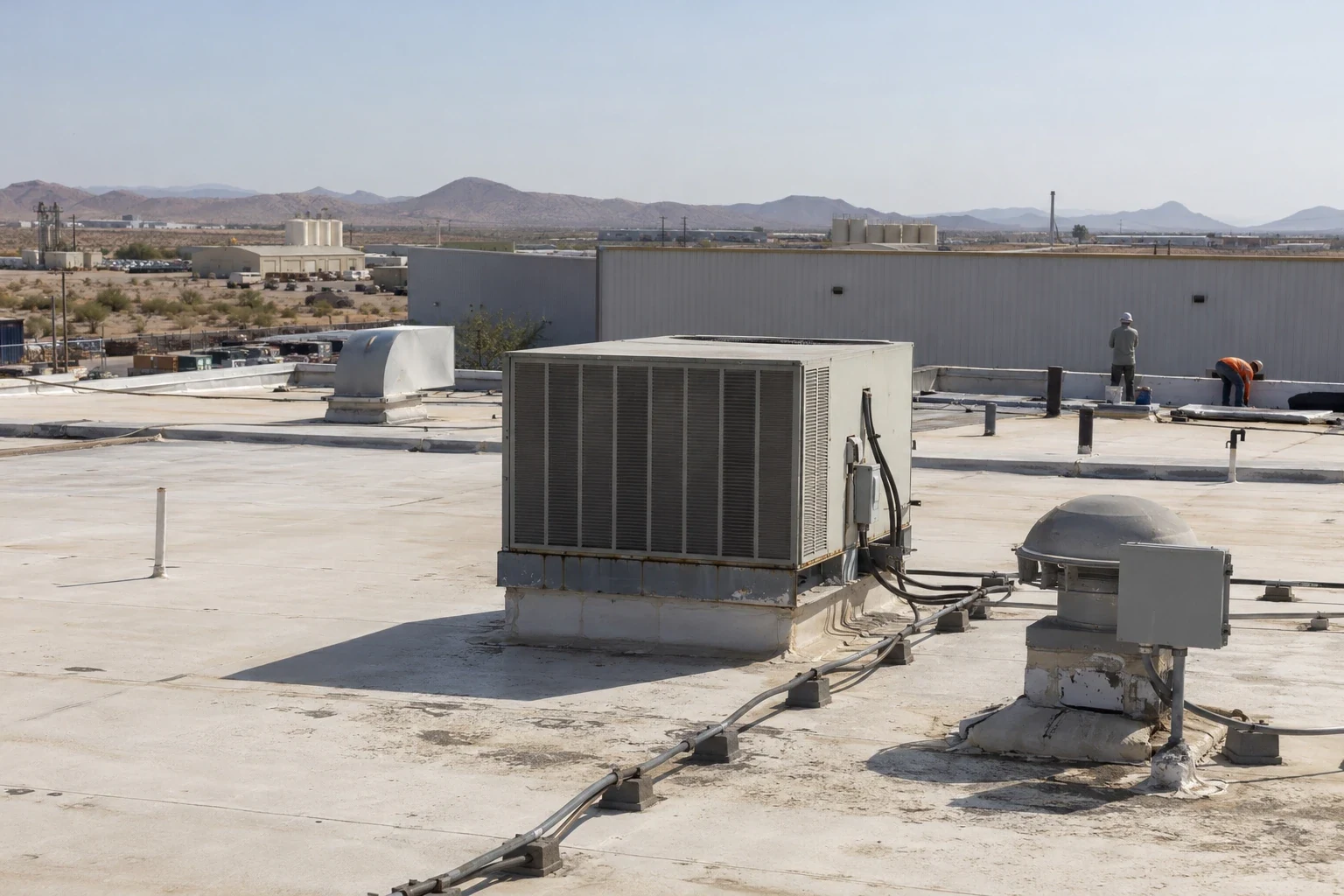
Which jurisdiction signs off on a Diamond Valley reroof?
For a commercial reroof, the permit authority decides the edition of the code, the energy documentation and the inspection steps. In Diamond Valley the county business-license listing points to county jurisdiction for unincorporated locations, so we verify the county license and permit path before taking work there. The state construction code names the 2024 International Building Code as its base, amended at the state and local level, and the permit date fixes the edition.
The owner benefits from hearing this early. A reroof that needs a permit cannot start until the application clears, and the clearing time becomes part of the schedule. We collect the roof plan, the existing assembly description and the proposed insulation build-up first, so the submittal is complete the first time and the work window is not lost to a request for more information.
If the county asks for stamped drawings or a structural letter, that request arrives before the first panel or sheet is ordered. We would rather learn it in week one than in week four. Any condition the permit reviewer flags, such as a change in insulation thickness or a new curb height, goes back into the roof plan and the owner sees the revised scope before work is released.
Do St. George weather numbers apply out here?
Only partly. The NOAA station we use sits at 2,857 feet in St. George, and its normals show a July daily-high mean of 101.9 degrees, an August mean of 99.9, 9.31 inches of precipitation in a year and 1.2 inches of snowfall. A low-elevation station figure should not be carried to higher-elevation communities without local checks, so we treat these numbers as a starting reference for Diamond Valley and not as a measurement.
That matters for snow load and freeze-thaw. If the structure was designed with a snow load in mind, we want the drawings, a deck description or an engineer's note before recommending extra layers of insulation or a heavy ballast. Where those records are not available, we recommend confirming the load with the structural engineer before the roof plan commits the building to added weight.
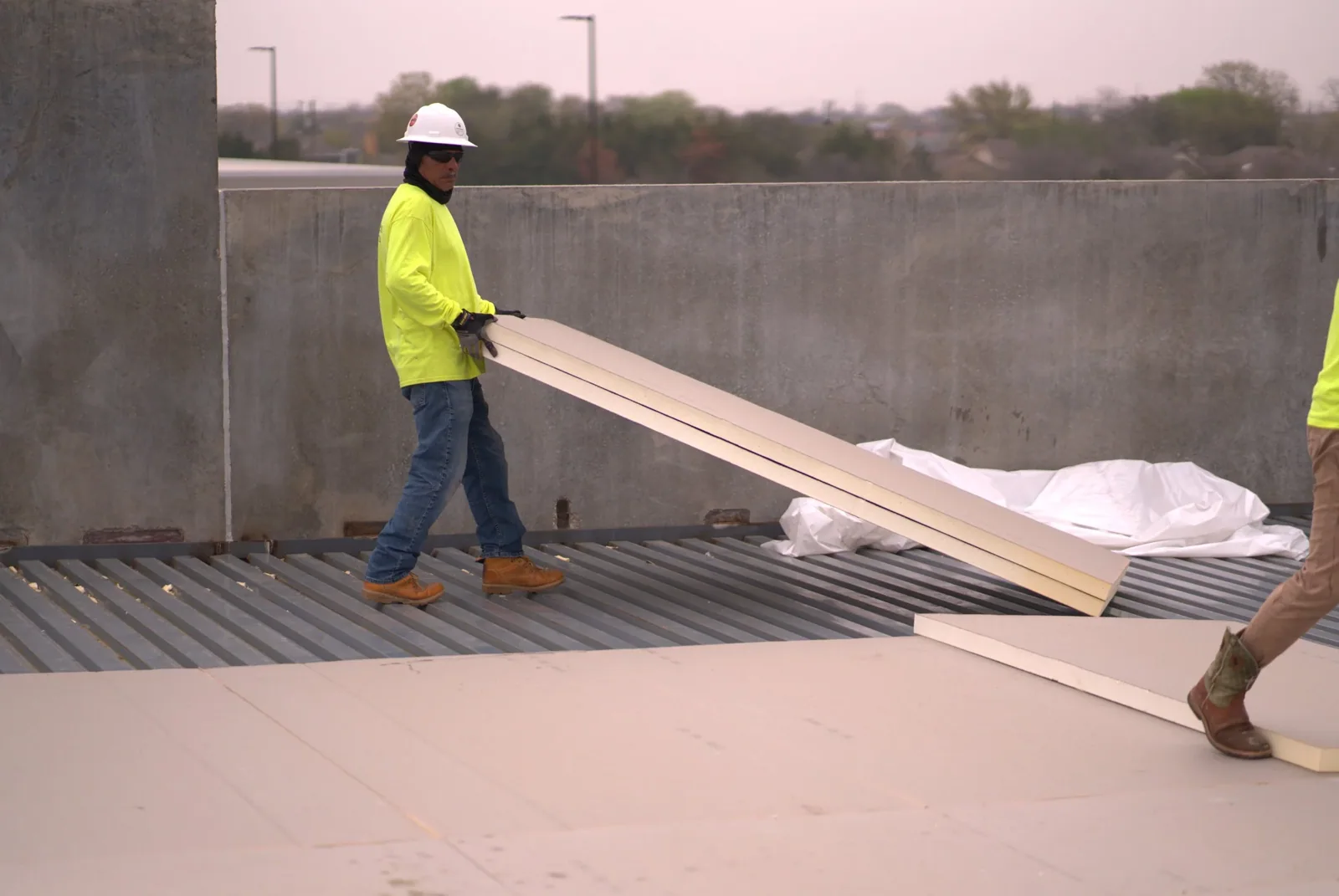
What changes when a roof sits along SR-18?
The county's general-plan transportation map shows SR-18 among the arterial and collector routes in the regional network, which is the kind of reference we use to plan a delivery or a response. It does not describe a roof, a gate or a driveway. For an outlying site, mobilization is a real cost driver: crew travel, material delivery, lift placement and the nearest place to dump tear-off debris all feed into the schedule.
Because an unscheduled return trip costs a half day, we pack for the full scope before leaving. Spare membrane, fasteners, sealant, flashing and tarps go on the truck, so a hidden wet area found during a repair can be handled in the same visit. Where an emergency roof repair is needed, the first priority is to dry-in the building, and we return for permanent work when the weather and the permit path allow.
Weather windows also run differently when the site is farther from the shop. If the forecast turns, the crew needs to decide before the morning drive whether a tear-off section can be dried in by evening. We cut the plan into small enough areas that a late change does not leave the roof exposed.
What roof options does an outlying commercial building have?
The building decides the options, and we do not assume what is at any given Diamond Valley address. A low-slope membrane roof can be repaired, recovered or replaced depending on moisture evidence and the age of the layers. After a windstorm, storm damage roof repair follows the same logic: confirm what the structure can carry, then repair. A metal roof can be repaired at fasteners and seams, coated, or retrofitted with a new panel system over the old one, and our metal roof retrofit work starts with a check of the purlins and attachment before any panel is ordered.
For each option we state what must be true for it to work. A recover needs dry insulation. A coating needs a clean, sound substrate. A retrofit needs a frame that carries the added load. The options narrow quickly once those conditions are tested, which makes the first walk especially valuable.
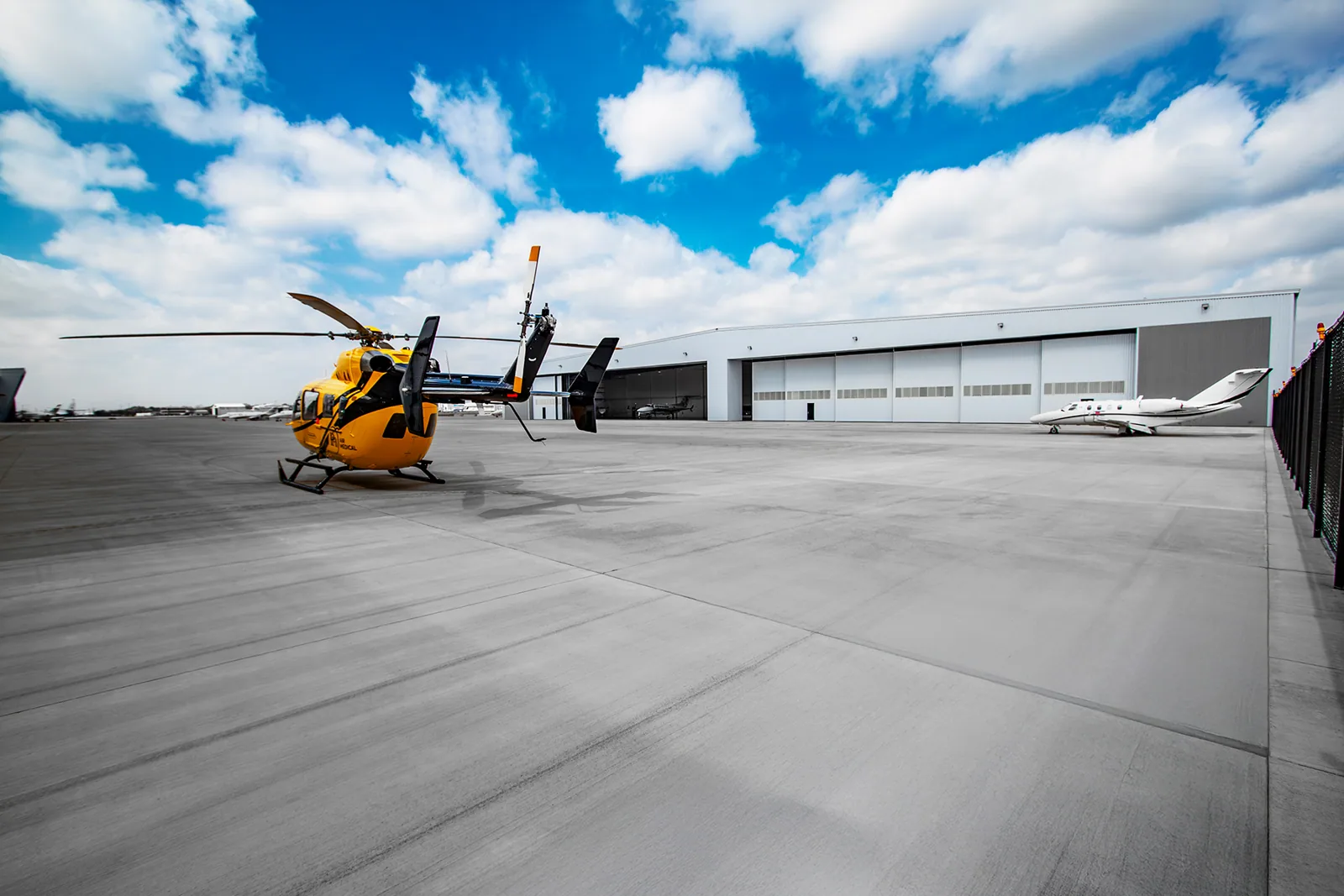
What should an owner gather before the first visit?
Records shorten the walk and sharpen the estimate. Any past roof report, warranty paperwork, installation drawings, repair invoices and insurance letters help us see what has already been tried. A photograph of the roof access, a note about any locked gates and the name of the person who can open the building let us arrive prepared. We also want to know the operating schedule, because a business that closes on certain days gives the crew a better work window.
When the records are thin, we say so and plan accordingly. A roof condition report from the first visit becomes the baseline file for the building, which the owner can use for budgeting, insurance conversations or a future sale. Communities along the same highway, such as Ivins, and city jurisdictions like Washington City follow a different licensing path, so the paperwork changes even when the roof problem looks alike.
Commercial Roofing Questions
Why does county licensing matter for a roof?
Licensing decides who can lawfully take the work and who reviews the permit. Washington County places unincorporated business locations in Diamond Valley under its licensing page, so we verify the county license and permit path before accepting a job, and we tell the owner which office handles the application.
Is the St. George snowfall figure safe to use out here?
No. The 1.2 inches of annual snowfall belongs to the low-elevation St. George station. A building in a different community may see more, so snow load is checked locally against the structure and the adopted code before a roof plan adds weight.
How do you reach a leaking roof quickly in an outlying area?
Crews carry tarps, sealant and temporary membrane for the first dry-in, and dispatch uses the regional route map to choose the approach. Emergency response runs all day and night, including holidays. Exact access, gates and parking are confirmed with the owner by phone before the truck arrives.
Can a metal roof be repaired instead of replaced?
Often, yes. Loose fasteners, failed sealant at laps, damaged panels and open penetrations can be repaired when the panels themselves are sound. If rust or deformation is widespread, a retrofit or replacement scope is discussed with the owner after the roof walk and the findings are written up.
What does the written report include?
Photographs of each problem area, a roof sketch with locations marked, a description of the visible system, moisture findings if a survey was done, and a split between repair items and capital items. Open questions are listed separately so the next decision is clear.
Will you tell me if the work is outside what you can lawfully take?
Yes, before any estimate is signed. If the county, the town or the state requires a license, bond or permit that has to be in place first, we name it in writing and tell you what is outstanding. A building owner should never learn about a licensing gap after the roof is open.