
Storm Damage Roof Repair in St. George, UT
Storm Damage Roof Repair Overview
After a storm, the first question is whether water is still getting in, and the second is who needs to know. In St. George, UT, rain is uncommon enough that a roof can go months between tests: by the station normals St. George receives 9.31 inches of precipitation a year, with June at only 0.16 inches. A storm that arrives after that kind of dry stretch finds every weak point at once, and drains clogged with dust, grit and debris cannot clear the water fast enough.
We respond to storm damage around the clock, holidays included. The first visit has one purpose: stop the water and make the roof safe. A tarp, a temporary patch or a sealed penetration buys time. Then we document what happened and put the open questions in order for the asset manager. Emergency roof repair is the first step in that sequence, and the permanent scope follows the evidence.

What happens in the first hours?
We confirm that the roof is safe to walk, then find where the water entered. Interior stains help, but water moves along decks and ducts before it shows, so we work from the ceiling mark back to the roof. We check drains and scuppers first, because a blocked outlet can cause a leak even when the membrane is undamaged.
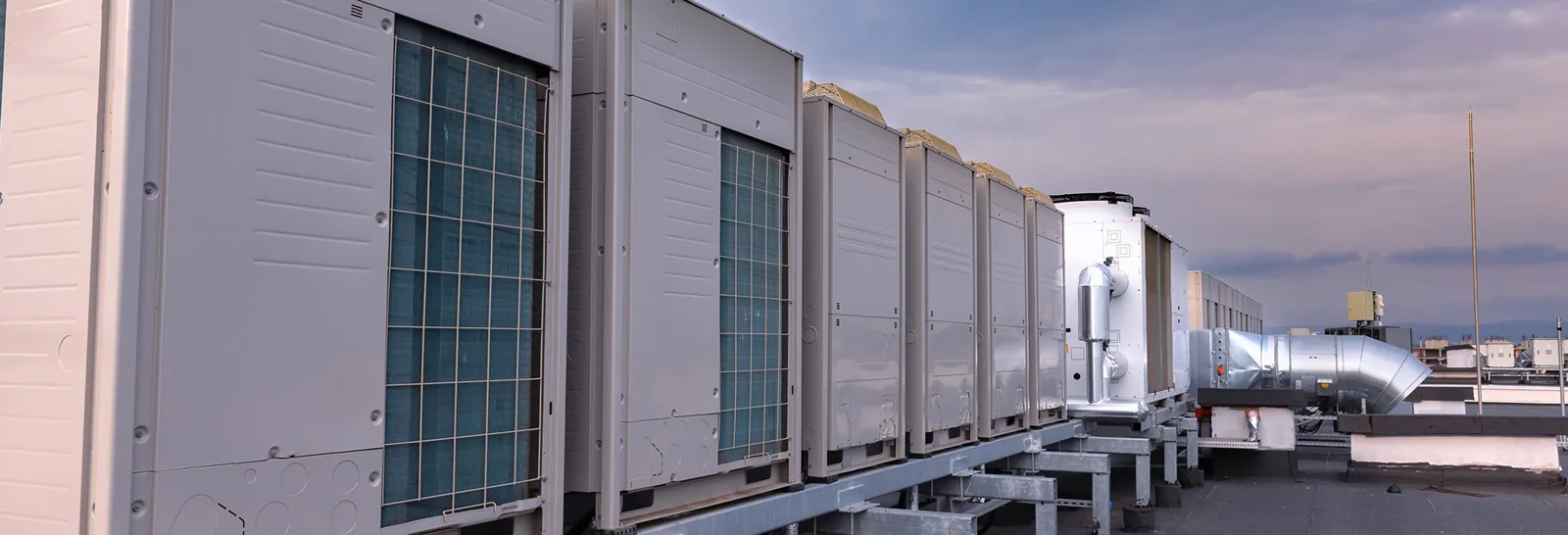
Then we check the usual storm victims: flashing at curbs and walls, loose edge metal, lifted seams, punctures from debris and rooftop equipment panels that blew open. We place temporary protection over any open area and photograph every step. The property contact gets a clear note on what was done, what is temporary and what still needs a permanent fix. Nothing is hidden behind the word repair. If a rooftop unit cabinet was opened by wind, we secure it and tell the mechanical contractor, since our scope ends at the roof and theirs begins at the equipment.
How do you tell storm damage from old wear?
The two often look alike, and the difference matters to the owner and to anyone reviewing a claim. Fresh damage tends to show clean edges, displaced material and debris on or near the roof. Old wear shows weathering, staining along a seam, algae or dirt in the opening and a pattern that repeats across the roof.
St. George's summer heat is part of that picture. July averages a high of 101.9 degrees and August 99.9, and years of surface heat can leave membranes brittle at seams and edges. A storm may finish off a weak detail without having created the weakness. We record both findings in the same report, with photographs and locations, and we do not assign cause beyond what the evidence supports. The owner then knows which items belong to the storm and which belong to maintenance, and the repair scope can be split the same way. For the insurance side, claim documentation follows the same record.
Is there water inside the roof?
Water can enter through a small opening and spread under the membrane, soaking insulation far from the entry point. A roof that looks dry on top can hold wet layers underneath. After a significant leak, we recommend a moisture check so the repair covers all the wet area and the insulation does not stay saturated for months.
An infrared moisture survey works best on a dry roof, usually a day or more after the rain and in the hours when the roof cools after sun. We map the wet areas, mark them and decide with the owner whether to dry, replace or cut out sections. If an approved test opening would answer a question about insulation or deck, we say where it would go and how it would be closed before any cutting begins.
What goes into the permanent repair scope?
The scope covers the damaged areas, the wet insulation, the failed flashing and any connected conditions that would cause a repeat failure. We list each item with its location, its method and its cost driver. A single torn seam may need a patch, while a lifted membrane over a large area may call for a section replacement. When damage is widespread, a commercial roof repair may reach the point where a recover or replacement is the sounder choice.
Edge metal and flashing deserve special care. Wind pulls at the perimeter first, and a loose cap or open joint can let water behind the wall. Our edge metal and gutter work resets or replaces damaged sections with a continuous, sealed line. The scope also notes the permit path. Larger work follows Utah's State Construction Code, which means the 2024 International Building Code with amendments, and we confirm the permit-date edition and the City of St. George requirements before it starts.
Does location change the response?
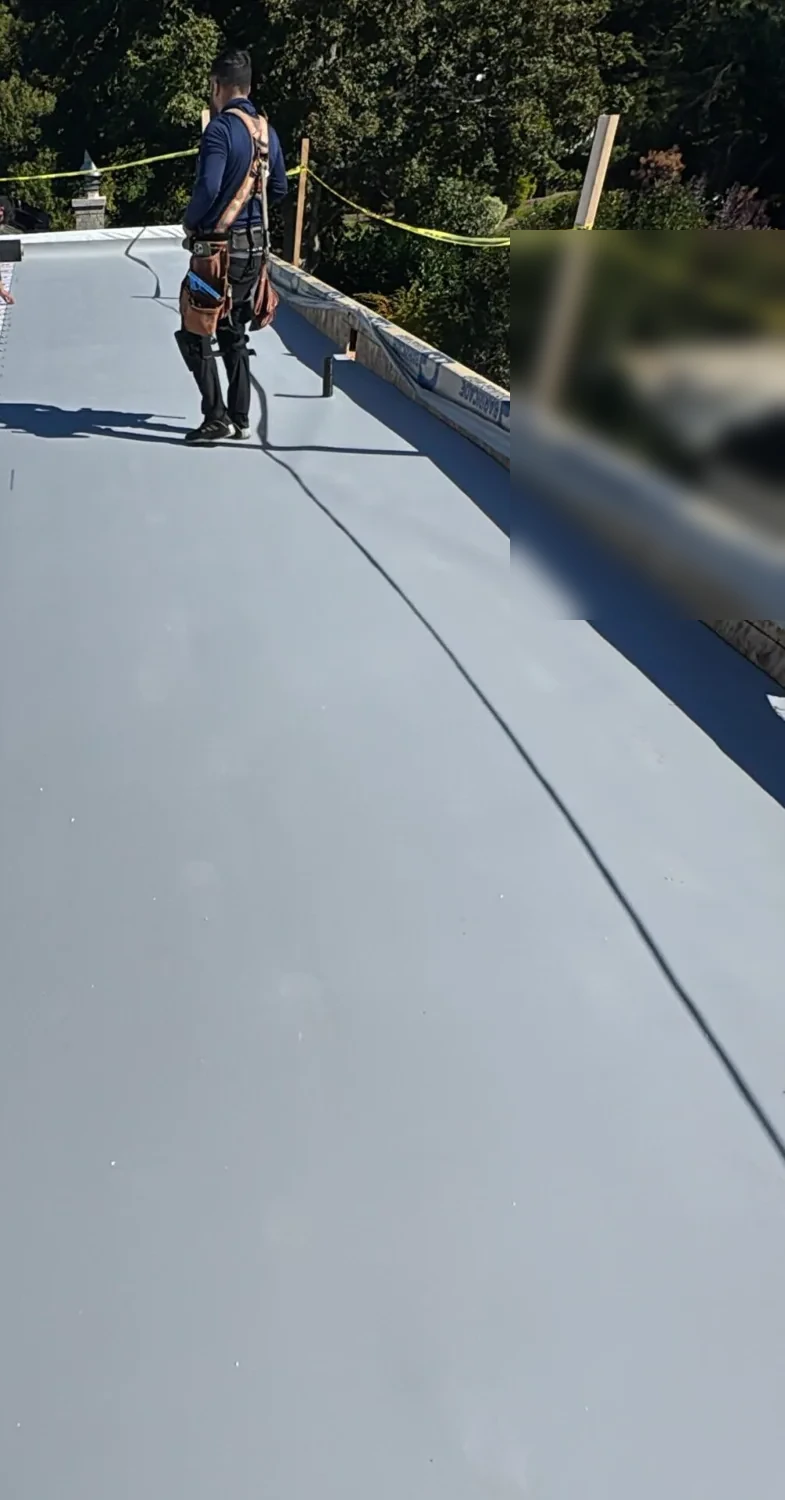
It changes dispatch and access. The county's arterial map carries River Road, Bluff Street, Sunset Boulevard, St. George Boulevard and Interstate 15, so they serve as dispatch references, with exact access confirmed at the property. A building in Fort Pierce Industrial Park and one near the River Road corridor may need different routes for a lift or a delivery.
The roof itself still decides the repair. A warehouse roof with few penetrations and a retail roof with many rooftop units fail in different ways, and the walk adjusts for each. We also ask about the operating schedule so repairs do not interrupt a shift or a delivery window. When a storm closes a road or a parking area, we confirm the route to the building before the crew leaves, and we stage materials where they will not block an emergency exit or a loading door.

Commercial Roofing Questions
Do you respond after hours?
Yes. Emergency response runs around the clock, holidays included. Call with the address and where water is entering, and we will say when a crew can reach the roof. Tell us whether anyone is in the space below, because that changes how we protect the interior and what we ask the building contact to move before we start.
Should we tarp the roof ourselves?
Please do not climb onto a wet or damaged roof. Move contents, shut off power under active leaks and photograph the interior. We install protection safely and document the roof as we find it. If the water is coming through light fixtures or near electrical panels, have the building electrician make that area safe first.
Will a temporary repair affect an insurance claim?
Temporary repairs to prevent further damage are generally expected. We record the condition before and after and keep receipts and photographs together, so the claim file shows what was done and why. Keep any removed material until the adjuster has seen it, and send us the policy deadlines you are working against.
Why did a new roof leak in its first storm?
Often a detail was missed: a flashing termination, a pipe boot or a drain connection. We trace the water, identify the detail and report whether it is a workmanship or design issue. Send us the installer's records if you have them, along with any warranty paperwork, because the manufacturer may need to be notified within a stated period.
How soon can permanent repairs start?
Once the roof is dry, the scope is approved and materials are on hand. Simple repairs may follow within days. Larger scopes depend on permits, moisture results and the operating schedule. We give a start window when the scope is approved and tell you what could move it, such as a late material delivery or a wet area that has not dried.