
Due Diligence Roof Surveys in St. George, UT
Due Diligence Roof Surveys Overview
A diligence clock does not wait for a cool morning. A buyer or lender in St. George, UT has a contingency period, and the roof is one of several items that must be answered inside it. The local NOAA station averages daily highs above 99°F in July and August, so the survey is planned for early hours when surface heat is lower and observations are cleaner. The question for the asset manager is narrow: what will this roof cost over the hold period, and what in the file supports that number?
Our due diligence survey answers it in writing. It records the visible assembly, tests for moisture where the roof calls for it, estimates remaining life and lists the capital items by roof area. The deliverable arrives in a form that a lender, an attorney or an investment committee can read.
What does a buyer need from the roof before closing?
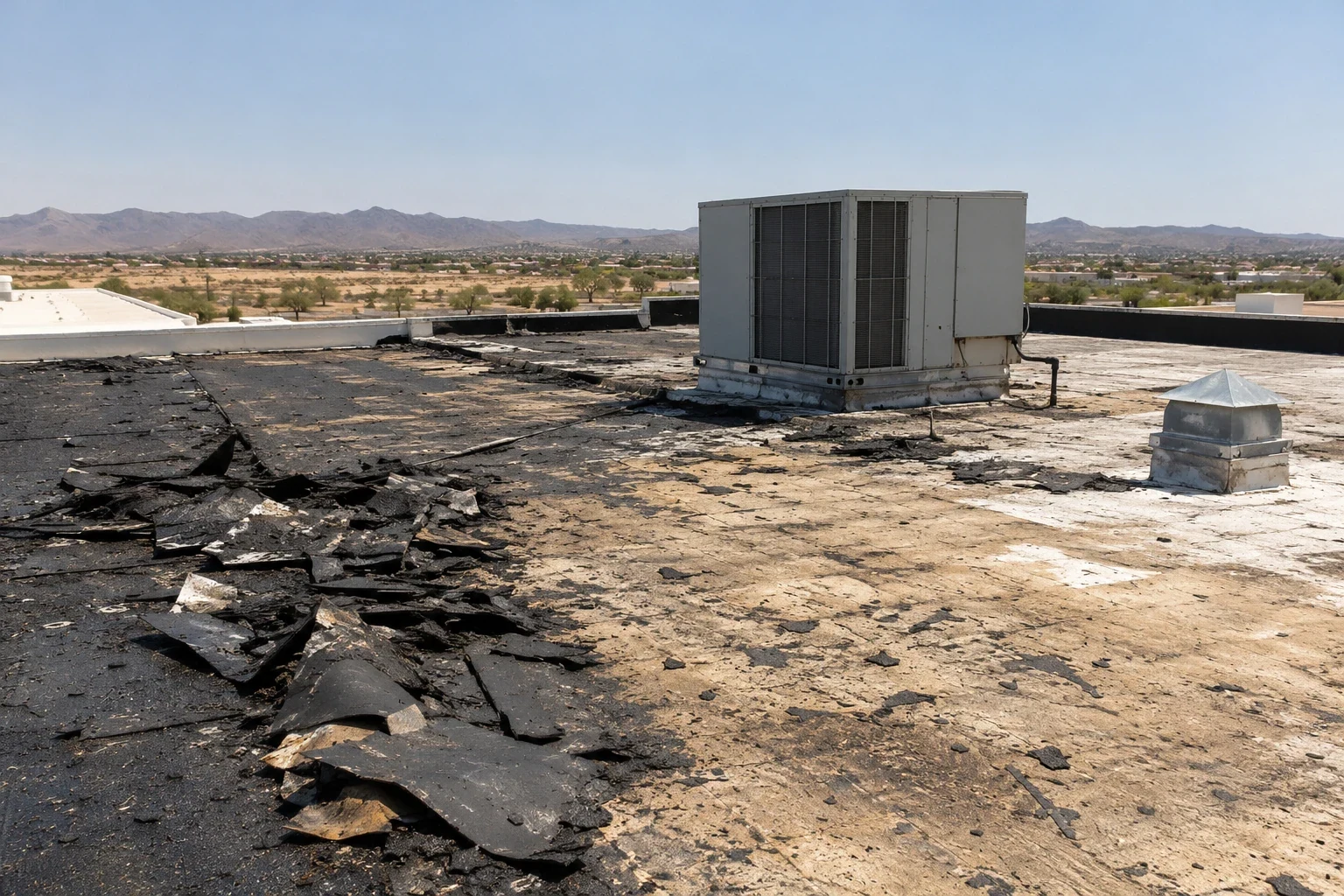
Three things: a condition, a number and a list of unknowns. The condition is what the roof looks like and how it behaves, supported by photographs. The number is the cost range for repairs and for replacement within the hold period. The unknowns are the parts of the assembly that could not be seen, with an explanation of why they matter to price.
We keep the three apart. A reader who mixes a measured moisture finding with a reasoned guess about the deck loses the ability to negotiate. When the report says insulation tested wet across a defined area, the buyer can ask for a credit. When it says the deck was not exposed, the buyer knows what to ask for in the contract. The condition report format keeps those categories visible.
Tenants matter to the same decision. A roof over a leased space is subject to the lease: who pays for repairs, who must approve access and who bears the cost of an interior loss. We note which sections sit over which tenants, so the buyer can compare the findings against the leases it inherits. A leak history that the seller treats as minor can look different when the tenant below it has a claim right.
How fast can a survey run inside a diligence window?
Field work for a single building can often be done in a day, and the written findings follow after photographs and test results are reviewed. We plan the visit around the seller's access rules, the tenant's hours and the sun. Larger or multi-building transactions take longer, and we say so when we accept the assignment.
Speed depends on records. If the seller can supply roof plans, repair invoices, warranty documents and leak history, the survey spends its time on verification instead of discovery. If no records exist, the survey builds them from the roof. A drone pass shortens the walk on large roofs, and an infrared moisture scan locates areas that need confirmation. Neither replaces a hands-on check of seams and details, which the written report distinguishes from images. The report labels each finding as seen, measured or inferred, and it carries the method beside the label, so an attorney reading it knows how much weight to give each line.
How do you handle roof age you cannot prove?
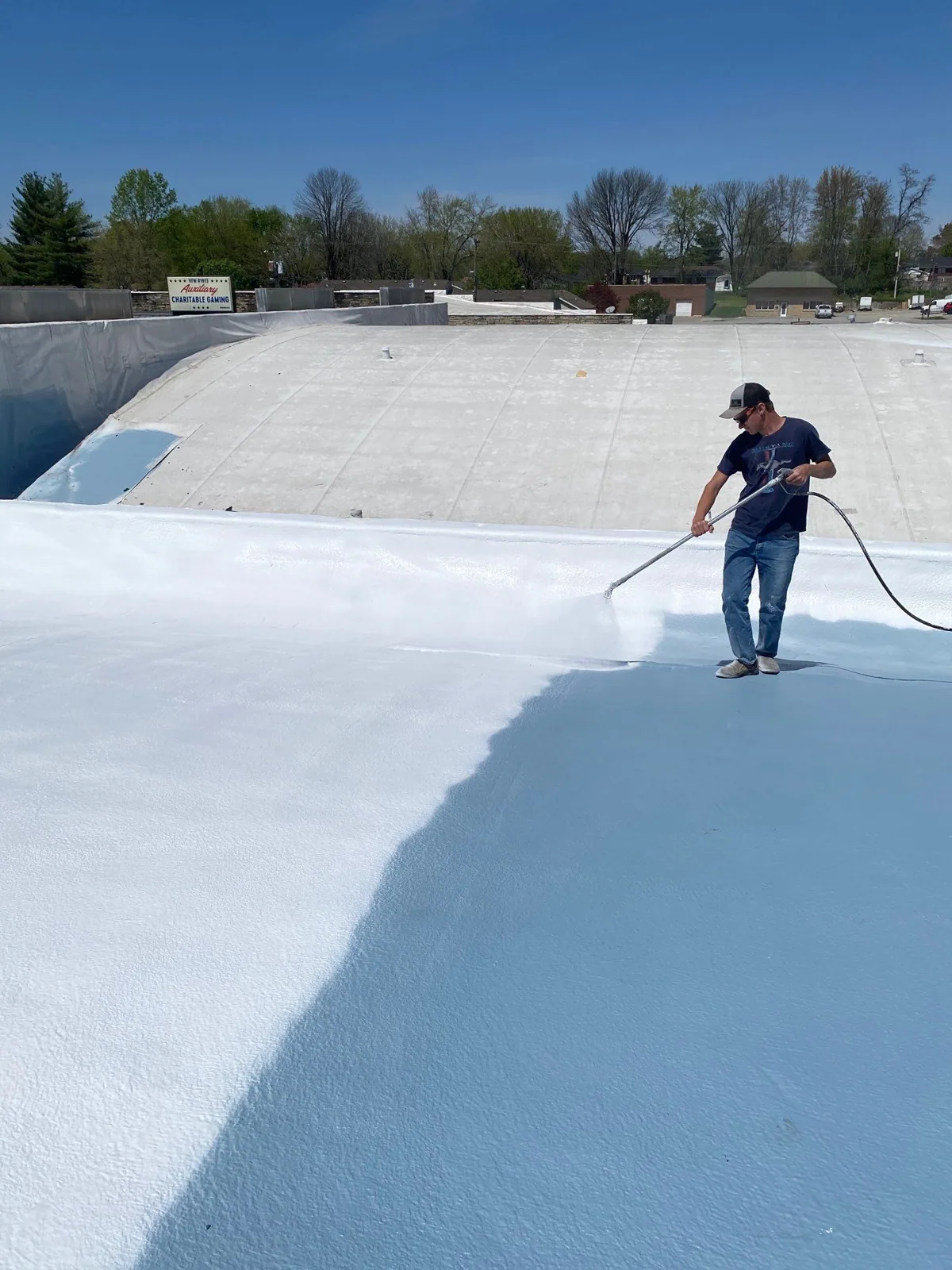
St. George's consolidated plan says much of the residential and commercial stock has been built since 1980. That helps frame a search, but roof age, assembly and overlay history still require parcel-level confirmation. A building from that period may carry its original membrane, a recover or a full replacement, and the seller's memory may not settle it.
We look for evidence on the roof: layers visible at edges, patch history, fastener patterns, deck conditions at a test opening and manufacturer markings where they exist. We state what the evidence supports and what it does not. If a core is allowed, it settles most questions about layers and moisture. If it is not allowed, the report marks the finding as inferred and gives the cost impact of the unknown, so the buyer can price the risk.
Equipment on the roof is part of the same question. Each rooftop unit sits on a curb and a support, and each has a flashing that may be original or replaced. We count the units, check the curbs and note condition, because equipment replacement later often means opening the roof around it. A report that lists the units and their curbs lets the buyer plan that work alongside the membrane work and avoid cutting into a new roof.
What does a lender or refinance need?
A lender usually wants to know whether the roof is a near-term capital item and whether it will carry the loan term without a major event. The survey answers with a remaining-life estimate, a list of immediate repairs and a schedule of expected replacements. Where a loan covers a group of buildings, a summary table shows each roof's rating.
On the code side, a lender will see the 2024 International Building Code as Utah amends it, plus the 2024 IECC and ASHRAE 90.1-2022 energy path that becomes enforceable statewide on July 1, 2026. A planned replacement may carry insulation and documentation requirements under those rules, and the survey's cost range states the assumption. If the closing date and the enforcement date fall close together, the report identifies which edition the permit would follow, since that choice can move the insulation level and the price. The capital plan then turns the survey into a budget by year.
Which kinds of buildings come through?
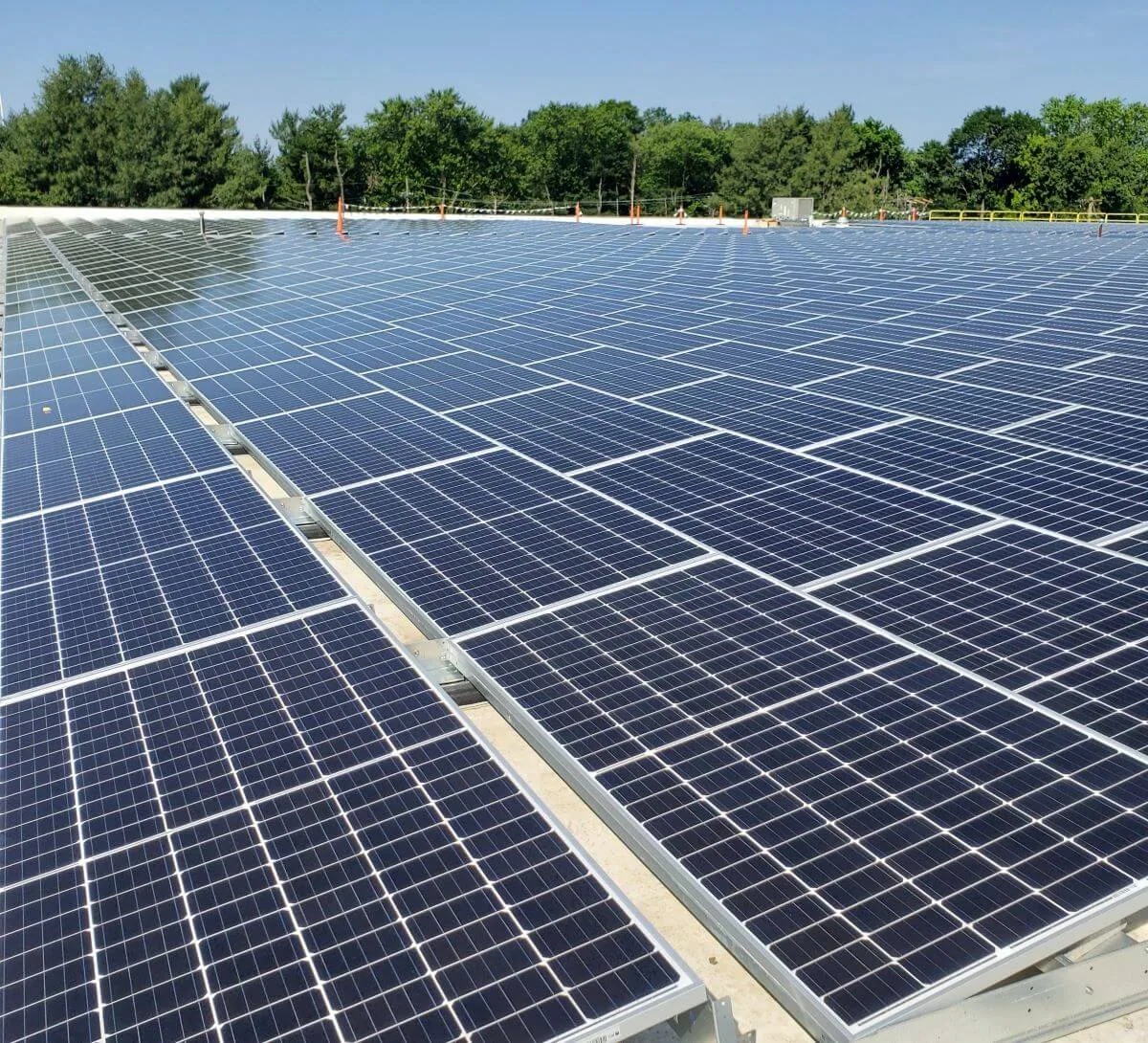
Commercial, Industrial and Industrial/Commercial are separate designations in the city's land-use plan, and the armory plan places Fort Pierce Industrial Park mostly in M-1 zoning, which takes in warehouses, light manufacturing, fabricators, wholesalers and services. On its own site, Tech Ridge lays out a planned mesa blend of offices, shops and homes. A zoning label tells us the broad use, not the roof, so every survey starts from the building in front of it.
Washington County Economic Development and the Southern Utah Economic Alliance both describe regional coordination for business attraction and expansion. Owners buying across municipal lines in the five-county area should expect different permits and rules in each city, and the survey notes which jurisdiction governs the likely repair or replacement. Surveys for properties near Fort Pierce Industrial Park and Tech Ridge follow the same method.
Commercial Roofing Questions
Can the seller refuse core samples?
Yes, and some leases limit roof penetrations. Without cores the report relies on surface evidence and infrared testing, and it marks the layers as inferred. The cost impact of the unknown is stated.
Does the survey include a price for replacement?
It includes a cost range with assumptions listed: area, layers, insulation level, access and work window. Firm pricing follows a scope and a confirmed schedule.
What happens if the roof fails the survey?
The buyer decides. The report supplies the repair list, the replacement range and the evidence. Many buyers use it to ask for a credit or a seller repair, and some to adjust the price.
Who can rely on the report?
The party that commissions it, and others only if the assignment says so. A lender or attorney can request reliance in advance, and we state the terms before the visit.
Can a survey be repeated at refinancing?
Yes. A prior survey becomes the baseline, and the new visit documents changes. A repeat visit is faster because the roof plan already exists, and the lender receives a before-and-after comparison instead of a new stand-alone document. If a repair was made after the first survey, the comparison shows whether it held.