
Solar-Ready Commercial Roofing in St. George, UT
Solar-Ready Commercial Roofing Overview
The summer work window matters before a solar layout ever reaches the roof. The NOAA station averages daily highs above 100 degrees in July and close to that in August, so access and material handling need a practical schedule. Solar adds another layer: the roof must support the proposed attachment, preserve drainage and remain serviceable after panels go in. We review the existing membrane, insulation, seams, edges and equipment clearances before a roof is called ready, because a panel layout cannot cure wet insulation or a weak attachment point.
A commercial roof inspection comes first and records the condition the solar team will inherit.
What must be known before attachment?
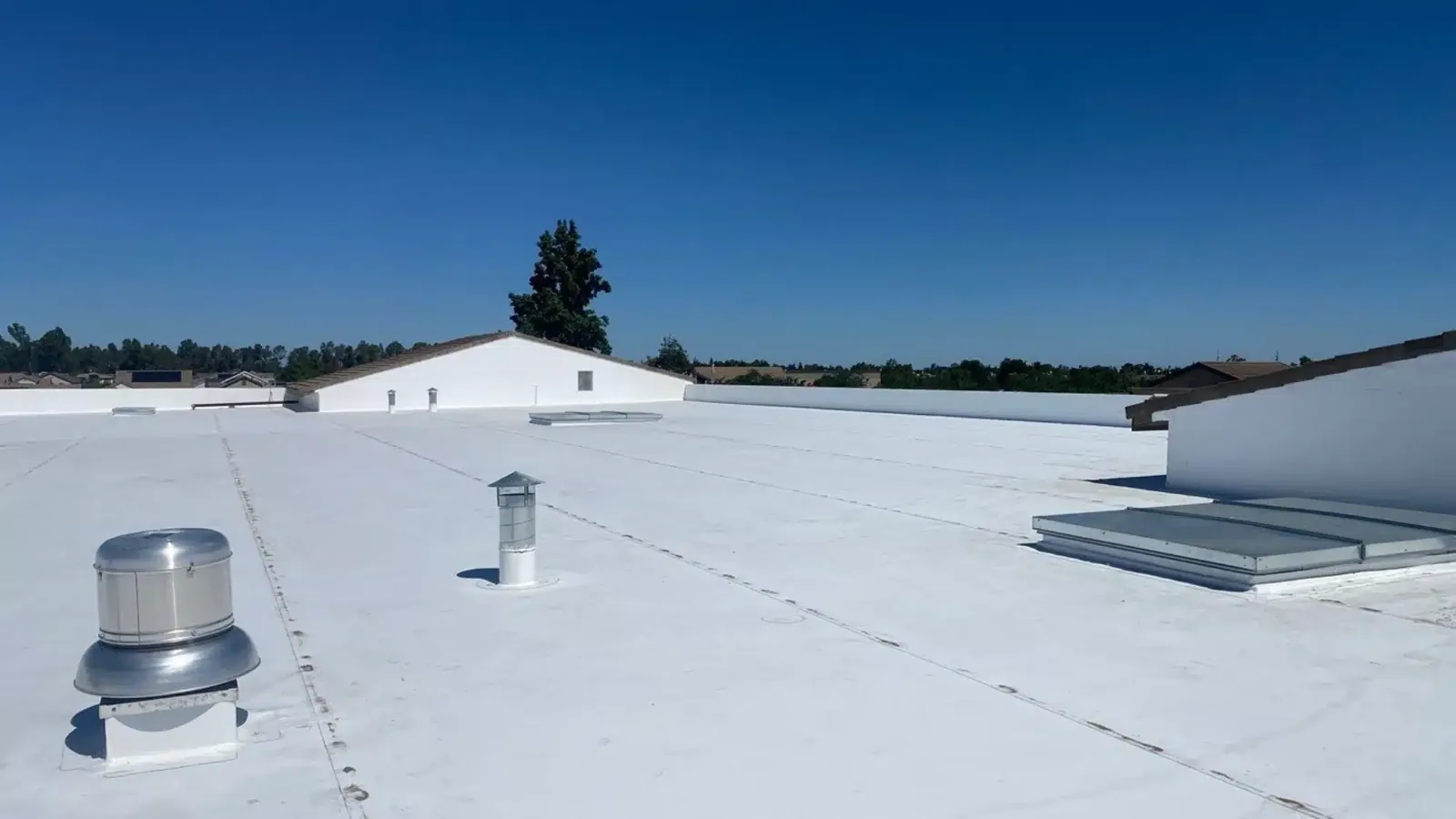
The existing assembly and its condition. We look for open seams, brittle flashing, repaired areas, ponding and moisture beneath the field membrane. Then the solar designer and the structural engineer can review the proposed attachment and loads against real roof information. A ballasted layout, a rail attachment and a penetrating detail each affect the membrane differently, and the roofing scope has to match whichever is chosen. Ballast adds weight spread across the field, rails add point loads at each post and penetrating mounts add holes that all need flashing, so the roof review names the load path and the flashing for the type chosen.
A roof is not ready because the building is commercial or because the membrane looks intact from a distance. Drawings, prior repairs and a condition map give the team a starting point, and when records are incomplete a targeted investigation may be needed before the array plan is final.
Roof age also matters here. A membrane with only a few seasons left should not carry an array that will outlast it, so the report gives a remaining-life range for each section before the layout is fixed.
How do panels change roof work?
They create concentrated loads, new penetrations and narrow paths for inspection and repair. The layout should leave access to drains, expansion joints, curbs and the perimeter. We review how water will move beneath and around the array, where service technicians will walk and whether a future membrane repair would require panel removal. Flashing around a post must suit the roof system and be installed so the transition can be inspected.
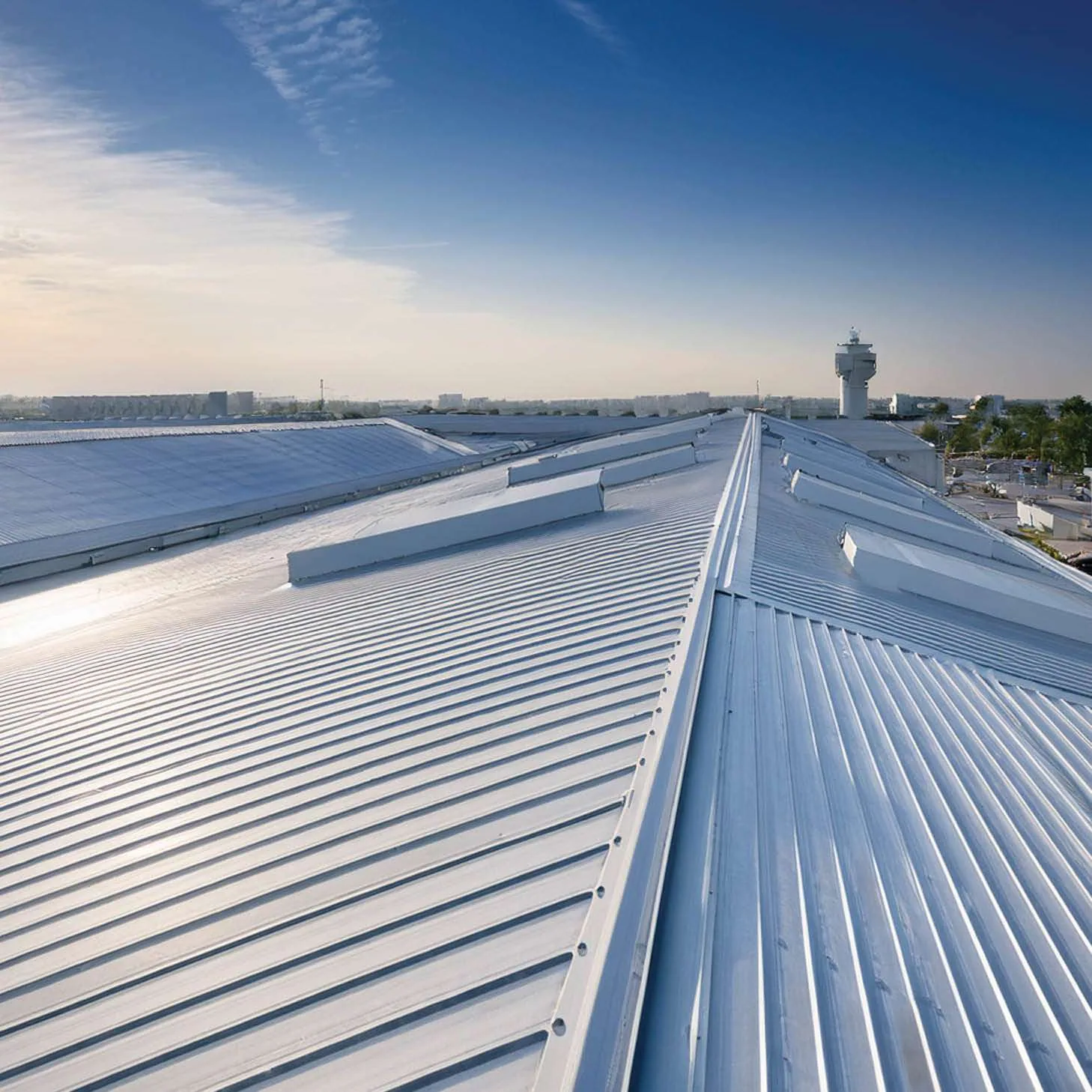
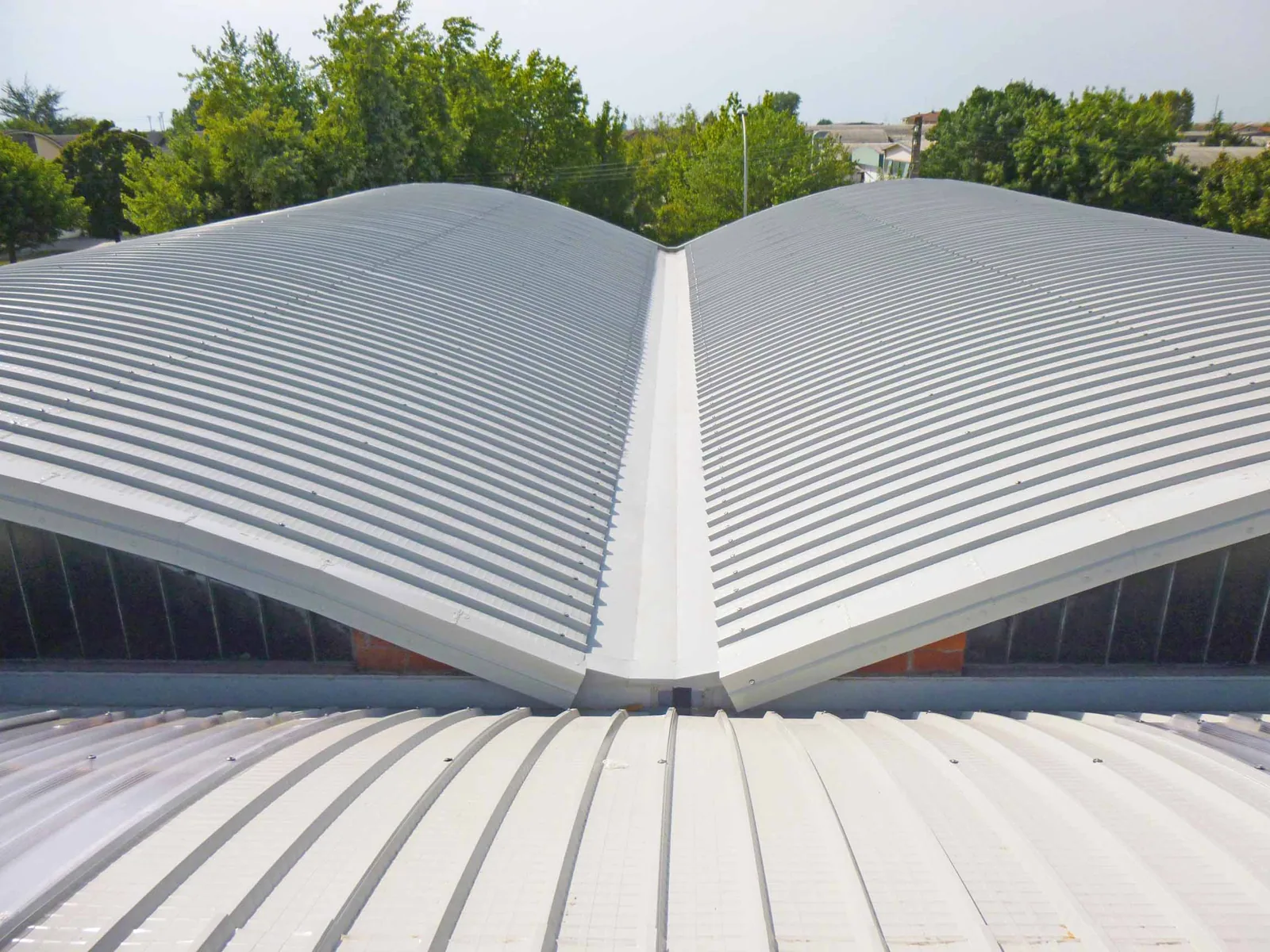
TPO and standing seam metal take different attachment and flashing decisions, and a detail that works on one cannot be carried to the other without review. The array drawing and the installed assembly decide the roof scope at each property, not the neighborhood.
Which code path applies to the project?
Roof alterations can bring energy and permit questions into a solar project. Energy rules enter at permit time: from July 1, 2026 the state enforces its energy path of 2024 IECC plus ASHRAE 90.1-2022, and an alteration for solar follows whichever pathway the project and the permit date fit. A due diligence roof survey can give the design team condition information before equipment is selected.
For permits in St. George, the permit-date edition and local project requirements are checked with the approving authority. The roofing scope identifies membrane, insulation, edge and flashing conditions; the design team settles system loads and electrical requirements. We keep the roof observations separate from the engineering conclusions.
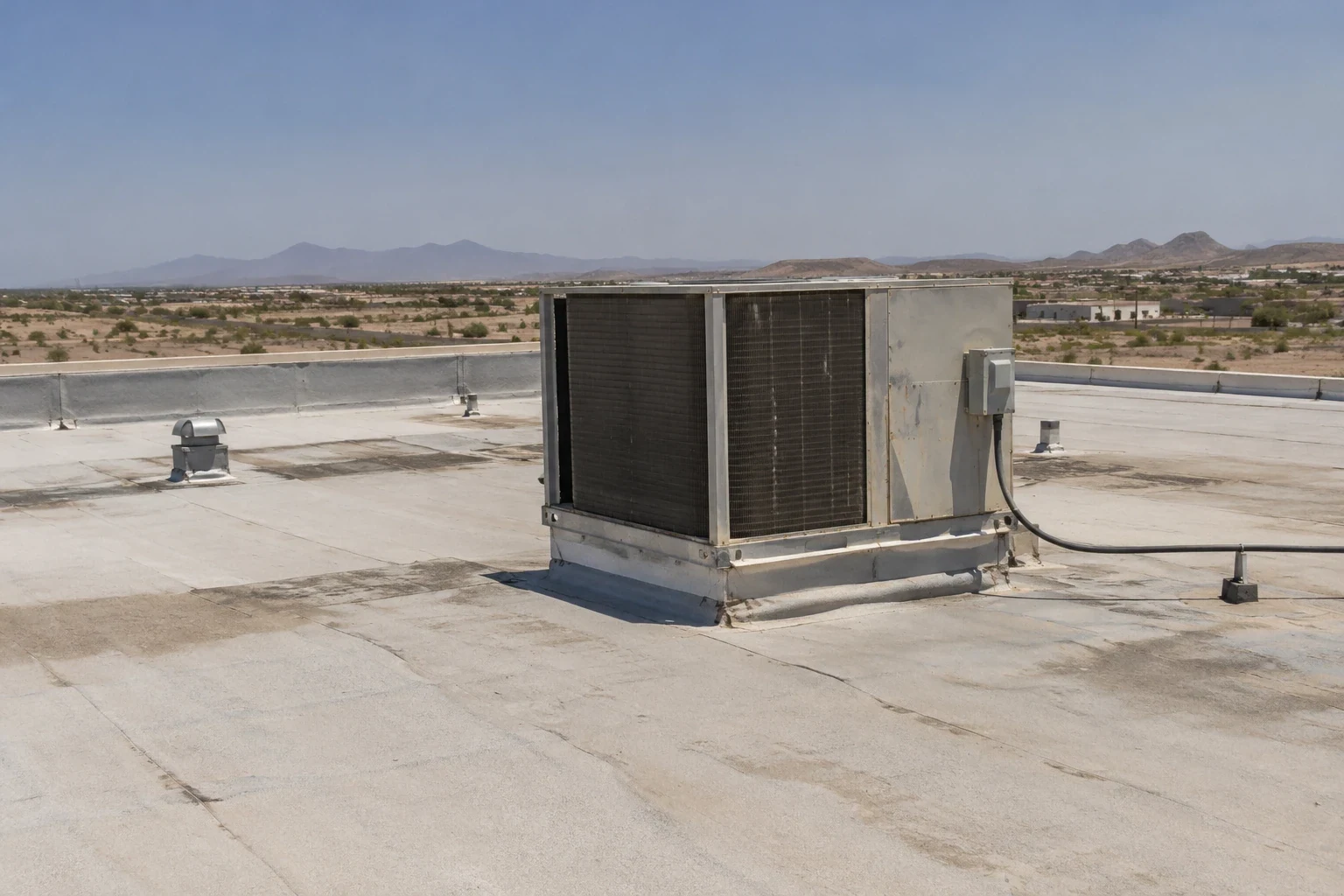
A building in Fort Pierce Industrial Park, mapped largely M-1, may have a roof field that suits an array and also exhaust stacks that shade or soil it, and the roof plan shows which. Panels set over a worn membrane multiply later costs, because every repair under the array means moving equipment, so the cheapest time to correct a flashing or a drain is before the first rail goes down.
Can roof work fit the solar schedule?
It can, when the sequence protects both the roof and the building. Summer heat may move inspection and membrane work earlier in the day. We coordinate roof access, staging, material delivery and temporary exposure with the solar contractor. If a membrane repair or replacement has to come first, the area and the closeout are defined before rails or panels limit access.
At Tech Ridge, where offices, shops and homes are planned together, occupant schedules differ from project to project, so each building's access plan sets its own work window. Solar installation should never conceal roof items that still need maintenance.
What belongs in a solar-ready roofing scope?
The roof areas to be repaired or replaced, the membrane system, insulation work, perimeter and penetration details and the handoff point for solar attachments. It should also say who supplies structural review, who installs each flashing and which trade protects finished roof work during panel installation. If the solar layout changes after roofing begins, the added penetrations or access paths may change the scope.
A photo record of seams, drains, curbs and completed transitions helps maintenance staff later. Insulation and cover board work may be part of the preparation when the assembly needs correction. A replacement may be preferable when repairs cannot give the planned array a dependable base.
When should the array wait?
When moisture evidence, unstable attachment, failing edges or unresolved drainage could be hidden by the equipment. That does not mean the roof automatically needs replacement; it means the team needs enough evidence to separate a local repair from a larger assembly problem. A small test opening, a moisture survey or a structural review can answer a specific question before procurement.
If the roof is sound and the attachment detail is coordinated, roofing and solar work can be scheduled in the right order. An infrared moisture survey can map suspect areas when conditions suit it. The decision stays tied to documented roof conditions, not to a general belief that every older membrane must come off.
Who protects the finished roof?
Settle it before work starts. The roofing scope can include temporary protection, the sequence for membrane and flashing and an inspection after attachment work. Solar installers need a clear path for staging, fasteners and material movement, while the building team controls access and hours. If later maintenance requires panel removal, the owner should know who coordinates it and how the membrane is restored.
A roof plan showing drains, equipment, penetrations and solar supports gives each trade the same field reference. After the roofing portion closes, a hold point before attachments begin keeps drains and transitions open for review, and photographs document the condition handed to the array contractor along with which penetrations were flashed and who accepted the detail.
Walk pads along the array service routes are priced in at this stage.
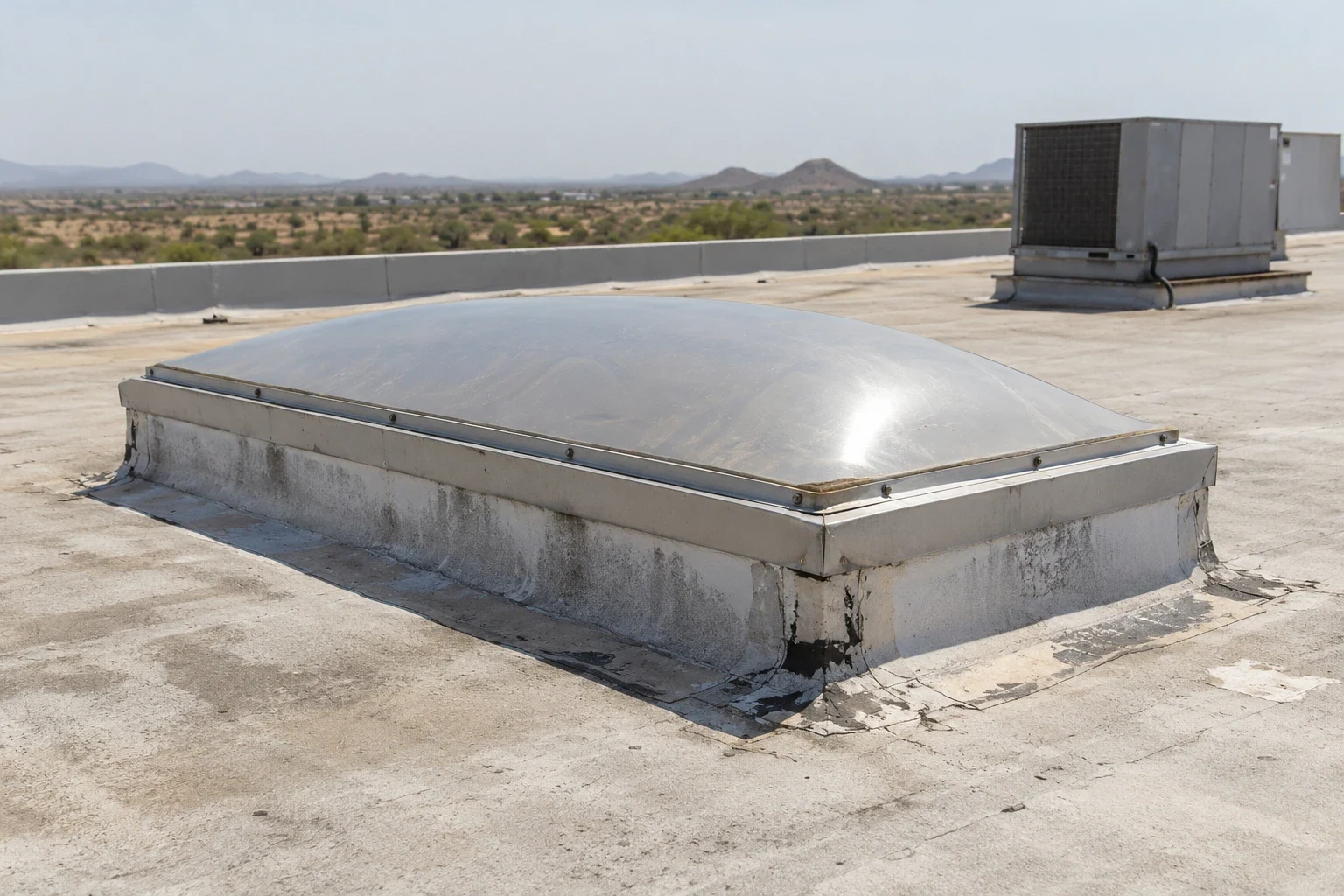
Commercial Roofing Questions
Can panels go on a roof that has been repaired?
They can when the repair is documented, the assembly is stable and the attachment avoids weak areas. We review the repair limits against the solar layout before the two scopes are approved.
Does a solar-ready roof need a new membrane?
Not automatically. The existing membrane may stay if its condition, attachment and insulation fit the array plan. Moisture or failing details may call for repair or replacement first.
Who flashes the solar attachments?
The project documents should assign it. Roofing and solar trades agree on the attachment and membrane transition, then confirm who installs and inspects each flashing.
Can drains be covered by a panel layout?
Drainage access has to stay clear. We compare the array plan with drain locations, overflow paths and service routes.
What records should be sent before the site visit?
Roof plans, repair history, membrane information, the panel layout, attachment details and the schedule. They define the roof questions that still need field confirmation.