
Multi-Site Roof Programs in St. George, UT
Multi-Site Roof Programs Overview
The hardest part of a summer roof visit across twelve buildings is the order. The St. George NOAA station averages July highs of 101.9°F, so crews start early and finish before the surface gets difficult, and that limits how many roofs fit in a day. A multi-site program fixes the sequence ahead of time: which buildings first, which access rules apply and which tenant needs notice. The owner or asset manager sees one schedule instead of twelve separate requests.
The program covers inspection, maintenance, repair and capital planning for every building in the group. Each roof gets the same method and the same report format. The asset manager then compares roofs on equal terms and spends where the evidence points.
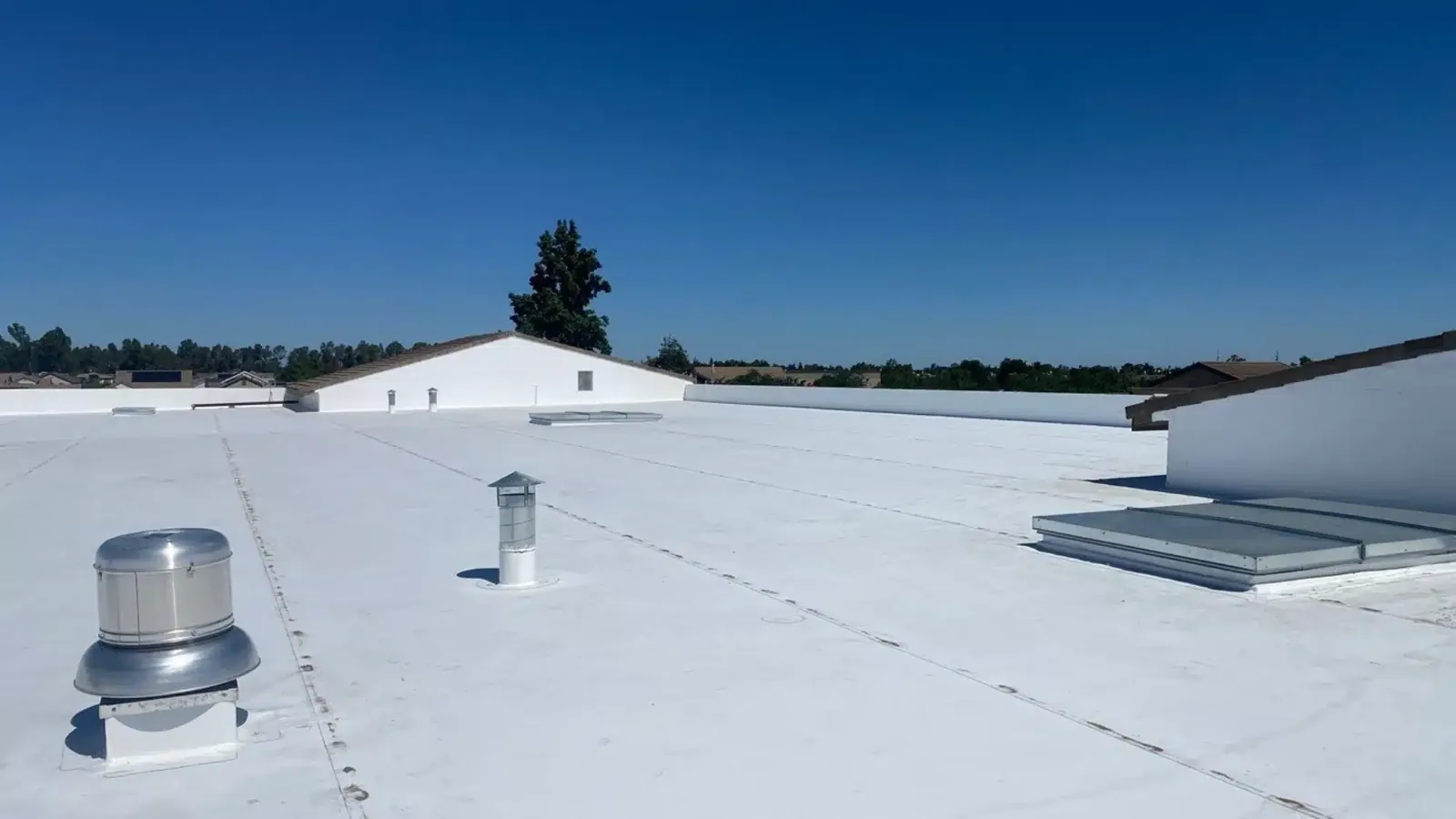
What does a program contain?
Five parts: a roster, a schedule, a standard report, a ranked list and a response protocol. The roster lists each building with its address, contact, access rules and operating window. The schedule sets inspection dates and maintenance visits across the year. The standard report puts all the roofs into a single format. The ranked list orders repairs and capital items by evidence. The response protocol says who to call and what happens in the first hour of a leak.
The pieces reinforce each other. A leak call at one building draws on the roster for access, on the last report for the roof plan and on the ranked list for context. Because the file already exists, the first visit goes to diagnosis, not to introductions. The same holds for tenants: a notice template, a contact and an access rule are on file for each building, so a lift can be on site without a round of calls to find the key. The roof asset record for each building sits inside the program and updates after every visit.
How does geography shape the schedule?
Washington County's arterial and collector maps label Interstate 15, St. George Boulevard, Bluff Street, River Road and Sunset Boulevard, and the general-plan transportation map adds SR-18, SR-9, SR-17, SR-59, Telegraph, Santa Clara Drive and Pine Valley Highway. Dispatch uses these routes as reference lines, and exact property access is confirmed on site. Grouping buildings along a route cuts travel and keeps the early-morning window for work, not driving. We also note which roofs have a roof hatch, which need a ladder and which need a lift, since access equipment changes how many buildings fit in a morning.
The five-county Southern Utah Economic Alliance and Washington County Economic Development both describe regional coordination, so a portfolio may reach into Washington City, Santa Clara, Ivins, Hurricane or La Verkin. Each municipality has its own permitting and licensing, and the program lists the rules for each. A repair that needs no permit in one city may need one in the next, and the schedule has to leave room for that review before the crew is booked. A route plan for River Road buildings differs from one for Hurricane sites, and the roster says why.
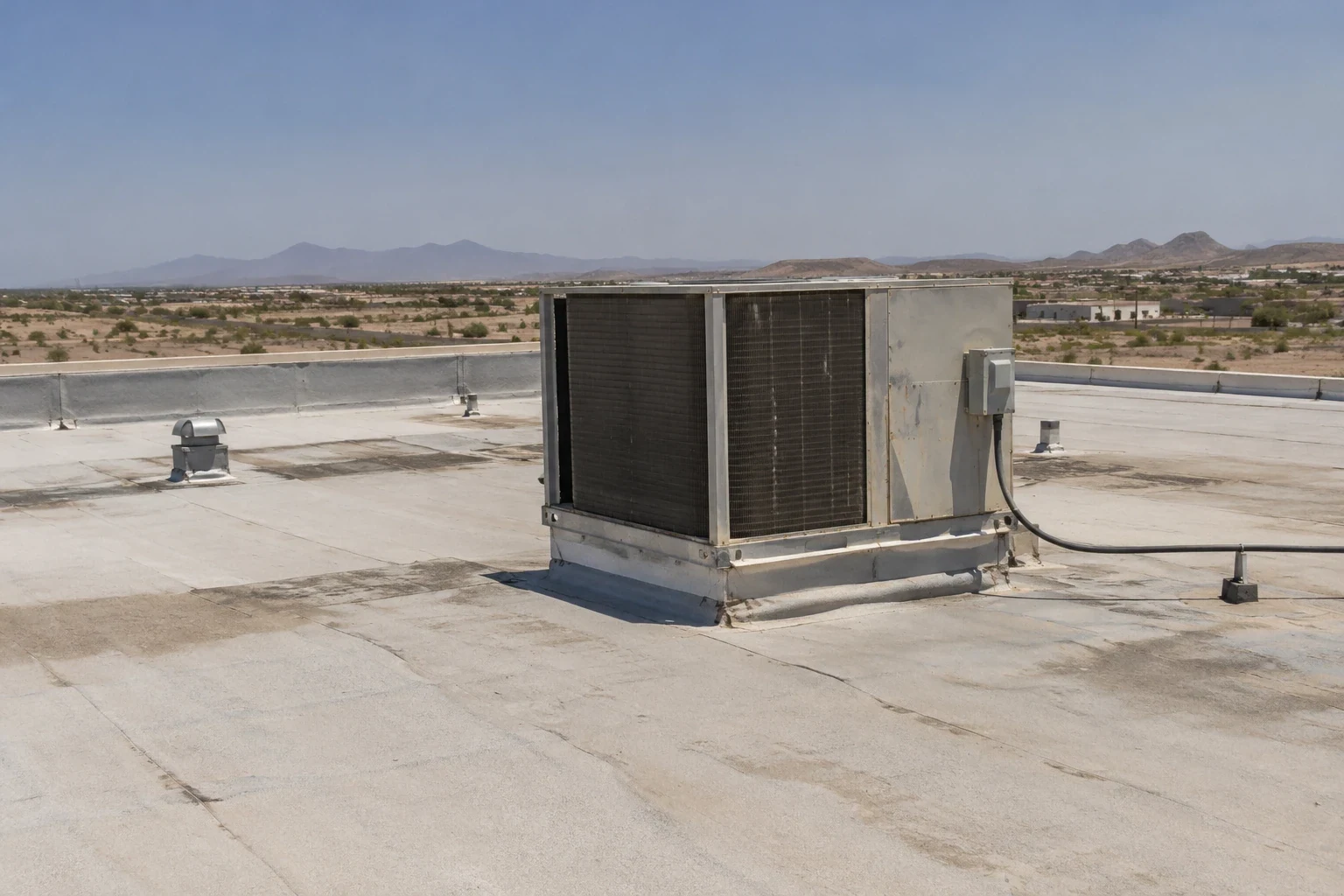
How do different building types sit in one program?
A portfolio rarely holds a single use. A City analysis built on 2012 to 2016 American Community Survey data listed education and health care, retail, and arts, entertainment, recreation, accommodation and food services among the largest employment sectors in St. George. That is a dated baseline, not a current employer ranking, but those sectors imply buildings as varied as clinics, shops, restaurants and lodging, and each puts its own demand on a roof.
The program tags each building by use and operating pattern. A medical suite wants quiet hours and interior protection. A restaurant roof adds exhaust and grease. A warehouse in Fort Pierce Industrial Park wants its receiving window protected. The tags do not predict the roof assembly, which stays a matter of observation, but they set priorities for scheduling and notice. A tag also records the cost of interruption in the owner's terms, such as lost bookings, closed exam rooms or idle trucks, which feeds the ranking. A reroof on an occupied building follows the tag for that site.
How are repairs and capital items ranked?
Every roof gets a score from the same inputs: moisture evidence, repeat leaks, state of details, remaining life and the cost of interruption. The scores sort the group. A roof with wet insulation over a production floor goes to the top. A roof with minor defects and a flexible schedule goes lower. Scores change after each visit, so the list stays current.
The ranked list drives both the repair queue and the capital plan. A capital plan uses it to place replacements across years and to phase large scopes. If the budget covers three of five roofs, the list shows which three and what happens to the other two in the meantime. The asset manager approves the plan once a year and adjusts it as conditions change.
Owners sometimes ask whether a ranked list is fair to the building at the bottom. It is, because the list is a sequence, not a verdict. A roof ranked low today has a date for its next review and a trigger that would move it up: a leak, a rise in moisture readings or a change in use. The ranking tells the owner where the next dollar goes, and the review dates tell the owner when to look again.
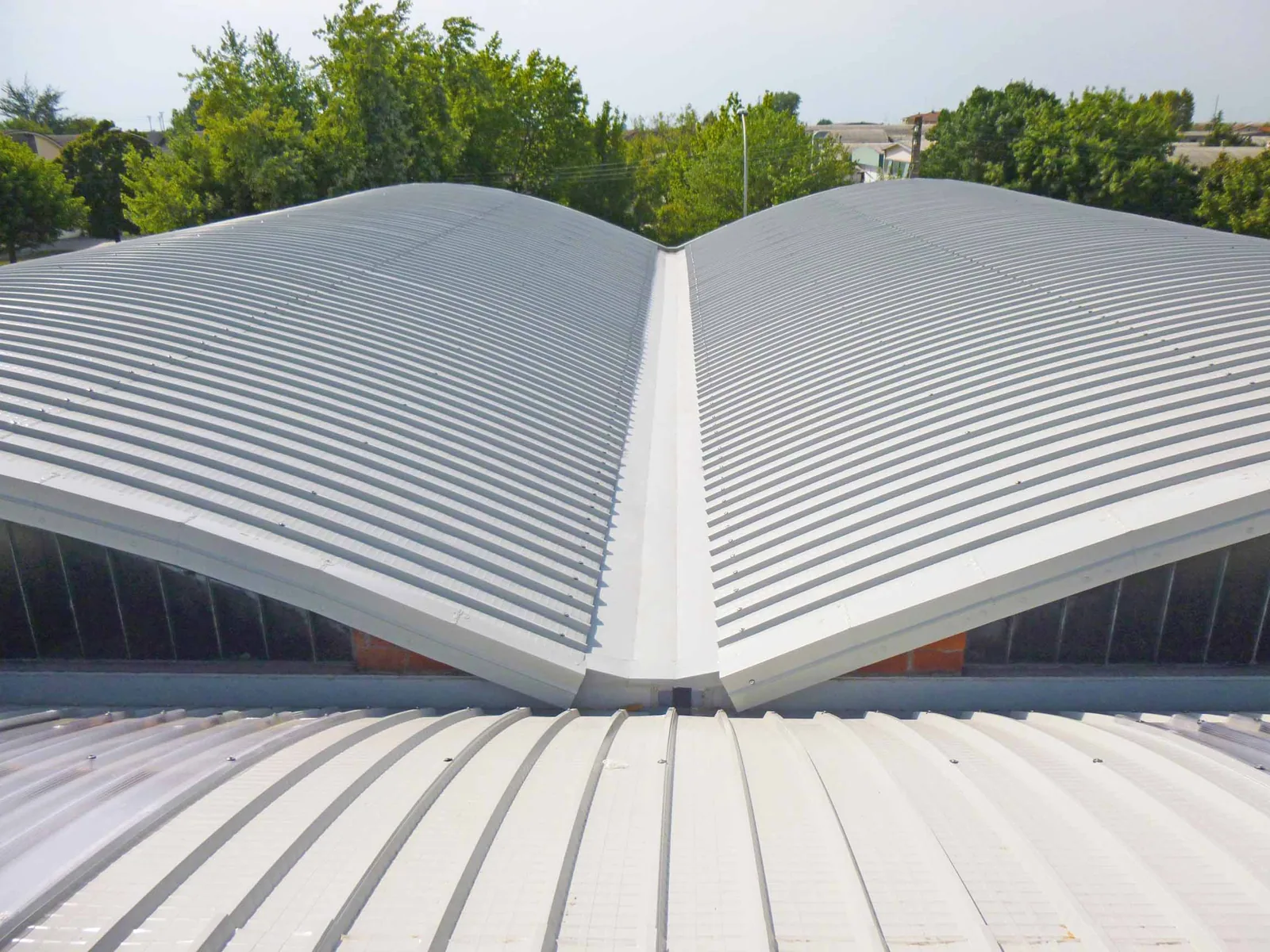
What happens when a leak call comes in?
The protocol starts with three questions: where is water entering, what is below it and can the roof be reached safely? The roster supplies the contact, the access path and the operating limits. We dispatch against the route plan, place a temporary dry-in if needed and photograph the condition. The program file already has the roof plan, so the repair boundary is set from known details.
Afterward, the report goes into the file, the ranked list updates and the asset manager receives a short summary: cause, action taken, what remains and when the next check is scheduled. Over a year, the summaries show which buildings generate calls and why, and which calls came from the same cause. A drain that clogs every October is a maintenance item, not an emergency, and the program moves it onto the calendar. That pattern is often the clearest argument for moving a roof up the capital list. A maintenance visit on the program calendar catches many of the same problems before a call is needed.
Commercial Roofing Questions
How many buildings make a program worthwhile?
Three or more is a practical start. The benefit grows with the group, because shared scheduling, one report format and a single ranked list save time at each visit.
Can buildings with different owners share a program?
Yes, when a manager or agreement coordinates them. Each owner has its own file and approvals, and the manager sees the roll-up. Costs follow the owner.
What if one building is much older than the rest?
It sits in the same program with its own rating. Its report may show more repairs and a nearer capital date. The program makes that visible, which helps when the budget is set.
Does the program change when a building is sold?
The building's file transfers with the sale if the owner chooses, and the roster updates. The buyer starts with a documented roof instead of a blank page.
How are emergency calls billed in a program?
As the agreement states. We separate emergency protection from permanent repair on the invoice, and the program file records both, so the asset manager can trace each charge to a visit.