
Roof Asset Management in St. George, UT
Roof Asset Management Overview
A roof file in St. George, UT is first a calendar. The local NOAA station averages daily highs of 101.9°F in July and 99.9°F in August, and that station record decides when a crew can look closely at a membrane without fighting surface heat. It is a scheduling fact, not a reading for any one roof. The asset manager's question is what the file should hold so the next visit starts from known conditions instead of a fresh search.
Roof asset management is that file. It pairs a roof plan with dated photographs, moisture evidence, repair history and an open-questions list, and it ends each visit with the next decision that needs authority. We keep it current across the portfolio, so a leak call, a lease question or a budget meeting draws on the same record.

What belongs in a roof record?
Start with a plan that numbers every roof area, drain, curb, penetration and access point. Each number gets a photograph and a date. Add the visible assembly, the repair history and any test results, and keep the source of each entry: surface walk, infrared survey, test opening or an owner's recollection. The source matters because a measured condition and a reported one carry different weight when money is on the table.
Leak logs belong in the same file. A stain that appears twice under the same bay says something a single call does not. We record the interior location, the date, the weather in the days before and the roof zone it matched. After several entries, the pattern often points to a drain route or curb detail before anyone opens the roof. The written condition report from each visit becomes a dated page in the file.
Access rules go in too. Which hatch or ladder reaches each roof, who holds the key, what notice the tenant needs and where a lift can stand are all things a crew would otherwise learn on arrival. Write them down once and every later visit saves the first hour. If a roof can be reached only during certain operating hours, that window is part of the record, with the contact who can open it.
How does summer heat set the visit schedule?
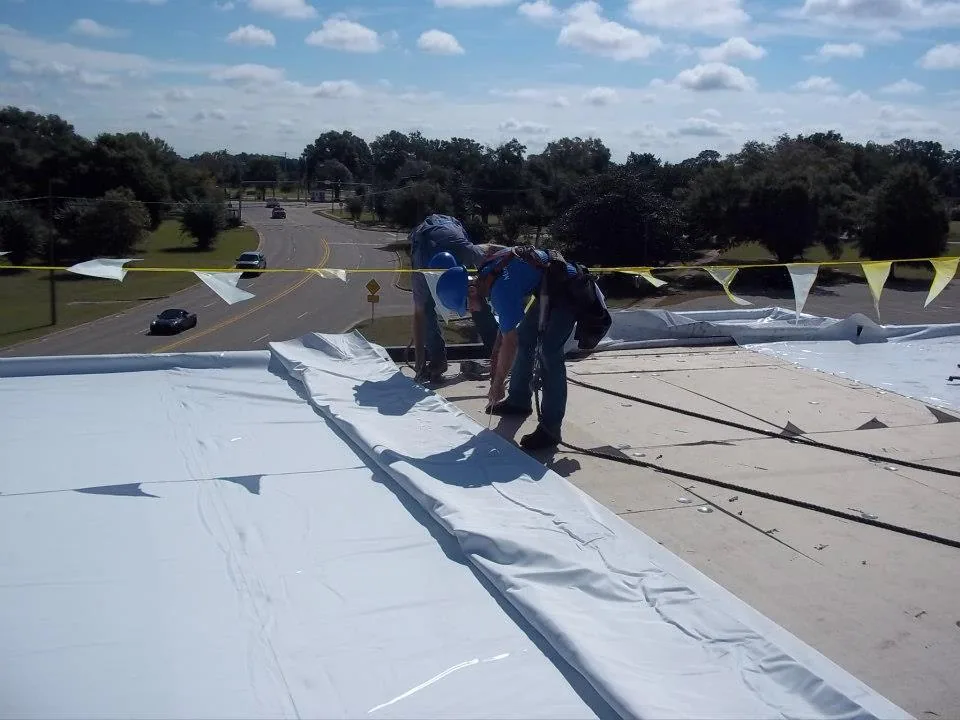
Because July and August highs at the St. George station average above 99°F, summer inspections run early, with the roof walked before surface heat builds. Heat also changes what the crew can observe. Thermoplastic membranes soften, sealant moves and a lap that looks closed in the morning may show a gap by afternoon. We note the time of each observation so the next visit can compare like with like. A photograph of a seam at 7 a.m. and the same seam at 2 p.m. can look like two different conditions, and the log keeps the difference from being mistaken for deterioration.
Rain is the other half of the calendar. Rain is scarce but not even: 9.31 inches in a normal year, with February at 1.38 inches and June at 0.16. That uneven pattern argues for clearing drain routes in the dry months and again before late winter, not only after a leak. A maintenance visit on that rhythm keeps the file accurate about which problems are new.
Which buildings need attention first?
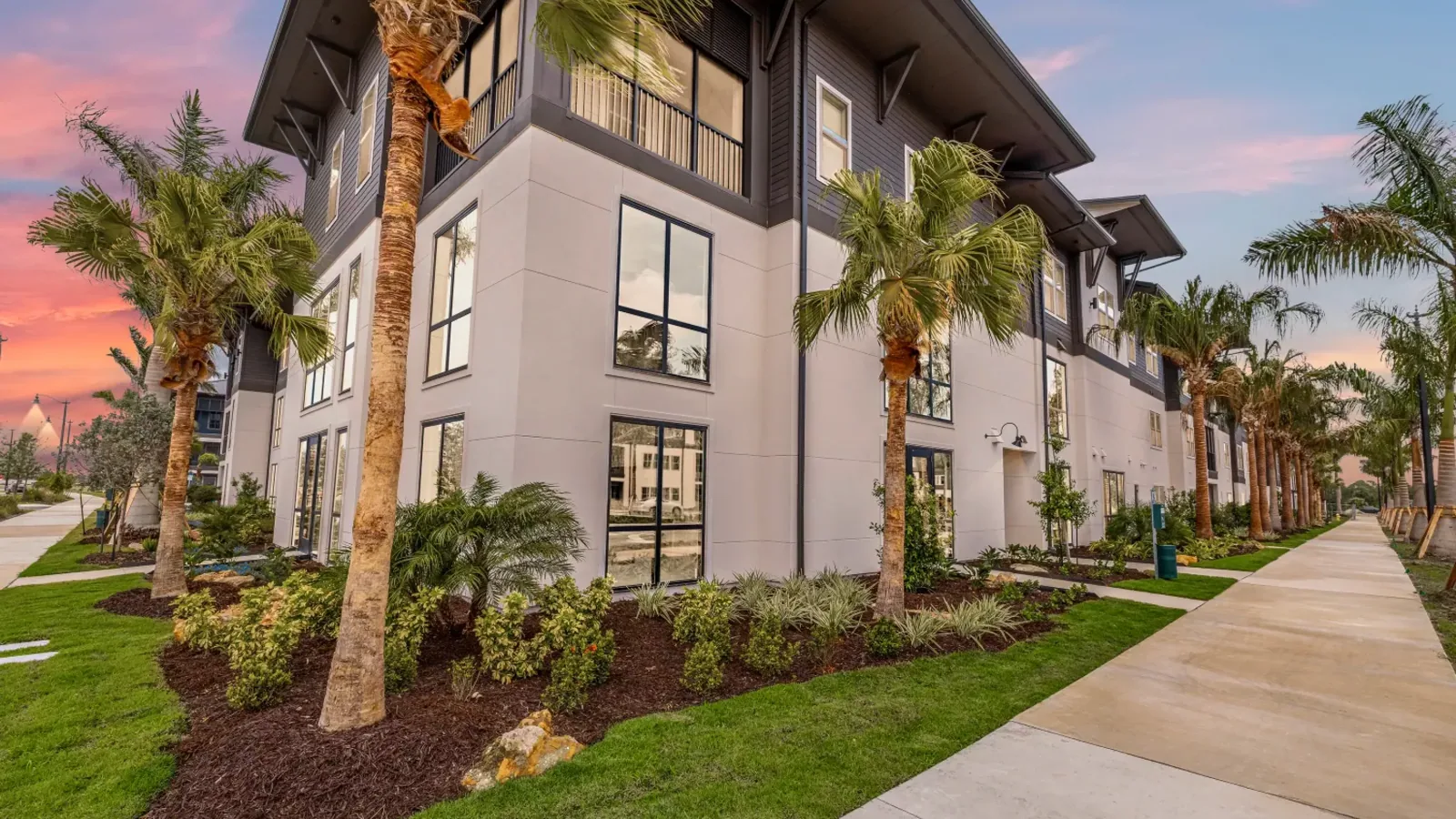
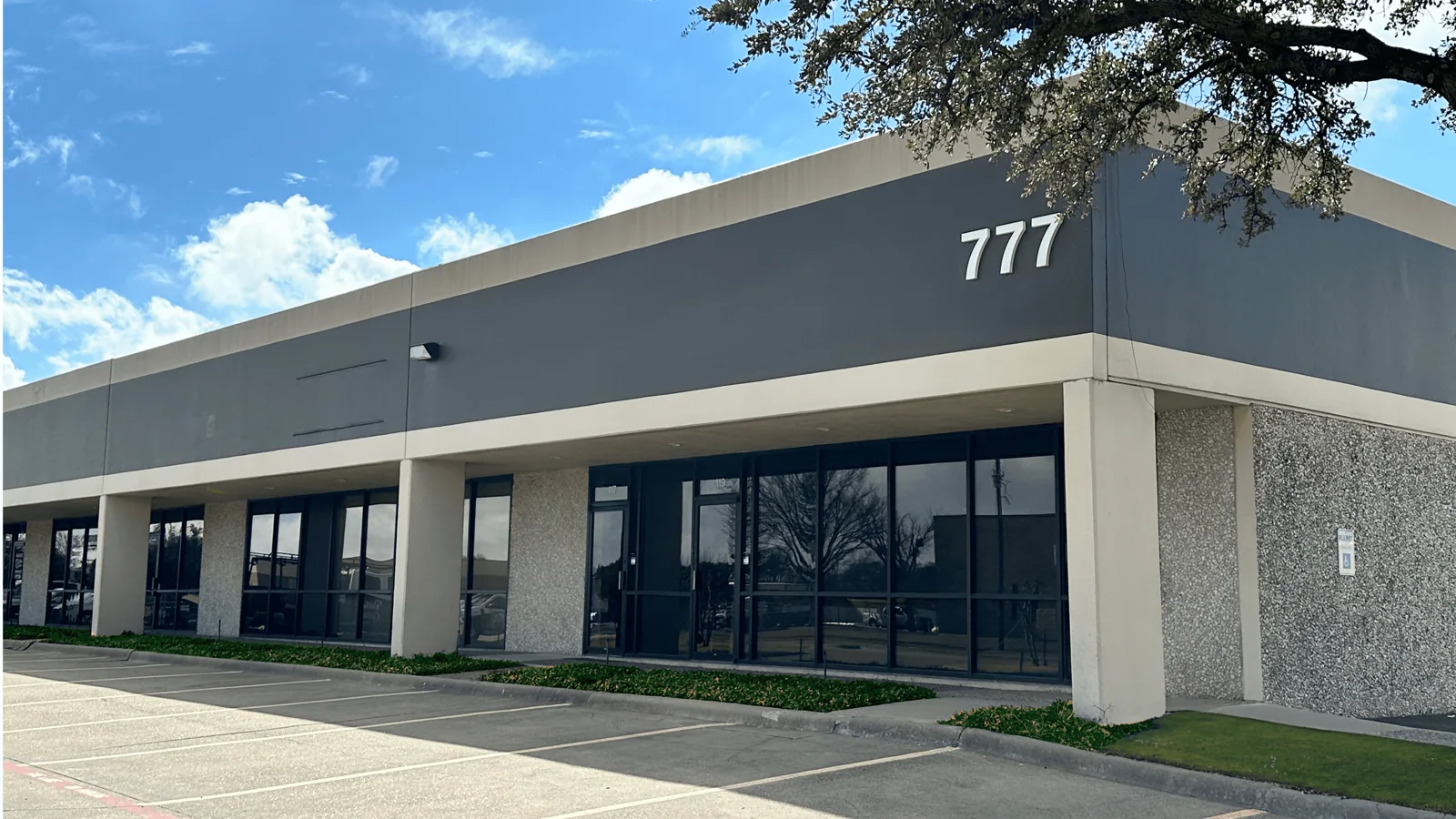
A portfolio rarely holds one kind of building. Land-use designations in the city split into Commercial, Industrial and Industrial/Commercial, and the armory's environmental plan calls Fort Pierce Industrial Park largely M-1, a zoning that takes in warehouses, light manufacturing, fabricators, wholesalers and service businesses. Tech Ridge, by its own account, plans a blend of offices, shops and homes on its mesa. Those labels suggest varied roof footprints, but they do not tell us how any single roof is assembled, so the file ranks buildings by observed condition.
The ranking uses four inputs: moisture evidence, repeat leaks, remaining detail condition and the cost of interruption. A roof with dry insulation and a few open laps ranks below one with wet board over a production floor. The operating schedule counts too. A building with a narrow work window may need earlier planning even when its roof is in better shape. The Fort Pierce Industrial Park buildings and those near Tech Ridge often sort into different tiers for exactly that reason.
How do repair history and age fit in?
St. George's 2024 to 2028 consolidated plan notes that much of the city's residential and commercial stock has been built since 1980. That is a useful background fact, and roof age, assembly and overlay history still need confirmation parcel by parcel. A building from the 1990s may have its original membrane, a recover or a full replacement. The file records what the owner can document and marks the rest as unknown until an opening or a core says otherwise.
Repair invoices matter as much as dates. We list each repair by location and type, so a patch over an old patch is visible. When a roof has taken repeated repairs in the same zone, the file flags it for a boundary review: either the surrounding membrane is failing or the underlying cause was never fixed. A moisture survey sorts the two cases before a larger scope is proposed.
When does the file call for a capital decision?
The record points to a capital step when repairs repeat, when moisture spreads or when a planned change makes the roof the limiting item. Two rule sets bear on a reroof: Utah's construction code, which adopts the 2024 IBC with amendments, and the energy listing, which names the 2024 IECC and ASHRAE 90.1-2022 and takes statewide effect on July 1, 2026. A reroof or alteration may therefore carry insulation or documentation requirements that a patch does not, and the permit date matters.
The file keeps those questions visible. It lists what we confirmed, what stays open and who must authorize the next step. The asset manager receives the repair option, the recover or replacement option and the conditions that would rule each out, with the evidence for each condition attached, so the approval meeting can start from the page instead of from a verbal summary. Capital planning takes the file and turns it into years and budgets.
Commercial Roofing Questions
How often should the roof record be updated?
After every visit, repair and leak report. A file that is updated only at replacement is a history book, not a tool. We add photographs, readings and the next open question each time.
Can the record cover buildings with different owners?
Yes, with separate files per owner and a shared format. The manager sees a comparable summary, while each owner keeps its own detail. Access follows the lease or management agreement.
What if I have no roof records at all?
We build the file from the roof. A hands-on walk, photographs and test results create the first entries, and unknowns are marked as such. Records from owners, tenants and past contractors fill in later.
Does the file replace a warranty folder?
No. It sits beside it. Warranty terms control what the manufacturer expects, while the asset file shows what was done and when. Together they answer most claim questions, and neither one needs to be reconstructed after a dispute begins.
Who decides which roof is repaired first?
The owner or asset manager, using the ranking. We supply moisture evidence, repeat-leak history and cost of interruption. The decision stays with the party who carries the budget, and the ranking is revisited after every visit, because a roof that was fourth last spring can be second after one wet February.