
Big-Box Retail Roofing in St. George, UT
Big-Box Retail Roofing Overview
Snow is not a roof problem in St. George, which changes what a big-box inspection looks for. The NOAA station normals show only 1.2 inches of snowfall a year, so the weight and the thaw that drive roof planning in colder markets are not the defining stress here. Heat is. A store with a roof deck stretching a long way in each direction, a handful of drains and a row of rooftop units spends every summer under surface temperatures that age sealants and relax seams.
For an operator in St. George, UT, the walk begins with the equipment and the seams, not with snow guards, and it begins early.

What does a wide, flat roof show first?
A freestanding store has a large membrane field with few interruptions. The first things we read are the drains, the slope toward them and the seams that run between them. Wide roofs deflect between supports, and a shallow dip can hold a pond long after a storm has passed. Ponding adds weight and speeds aging, and it puts steady pressure on every seam under it.
We map the drains on a roof plan, check each strainer and clamping ring, and measure any pond that lasts more than a day. The report separates a drain problem from a deck problem, because the repair for each is different. Tapered insulation added during a recover can steer water to outlets that already exist.
Roof drains on a wide roof should have overflow paths. Where a store has internal drains and no overflow, a plugged outlet sends water to the nearest wall opening or parapet. We note any roof without a secondary path and price an overflow scupper as an option.
How does July heat change the way a crew works?
In July the St. George station averages a daily high near 102 degrees. A dark membrane on a big roof runs hotter than that. Adhesives flash off before they bond. Tools and material become too hot to handle. Workers need shade, water and shorter shifts.
Crews go up at first light, keep material shaded and close heat-sensitive tie-ins before noon. Seams are easier to read before the surface expands, so inspections happen early too. Station data is a regional reference, not a reading at each store. A reflective coating over a dry, sound roof can reduce surface heat, and the findings sheet compares it with a conventional surface.
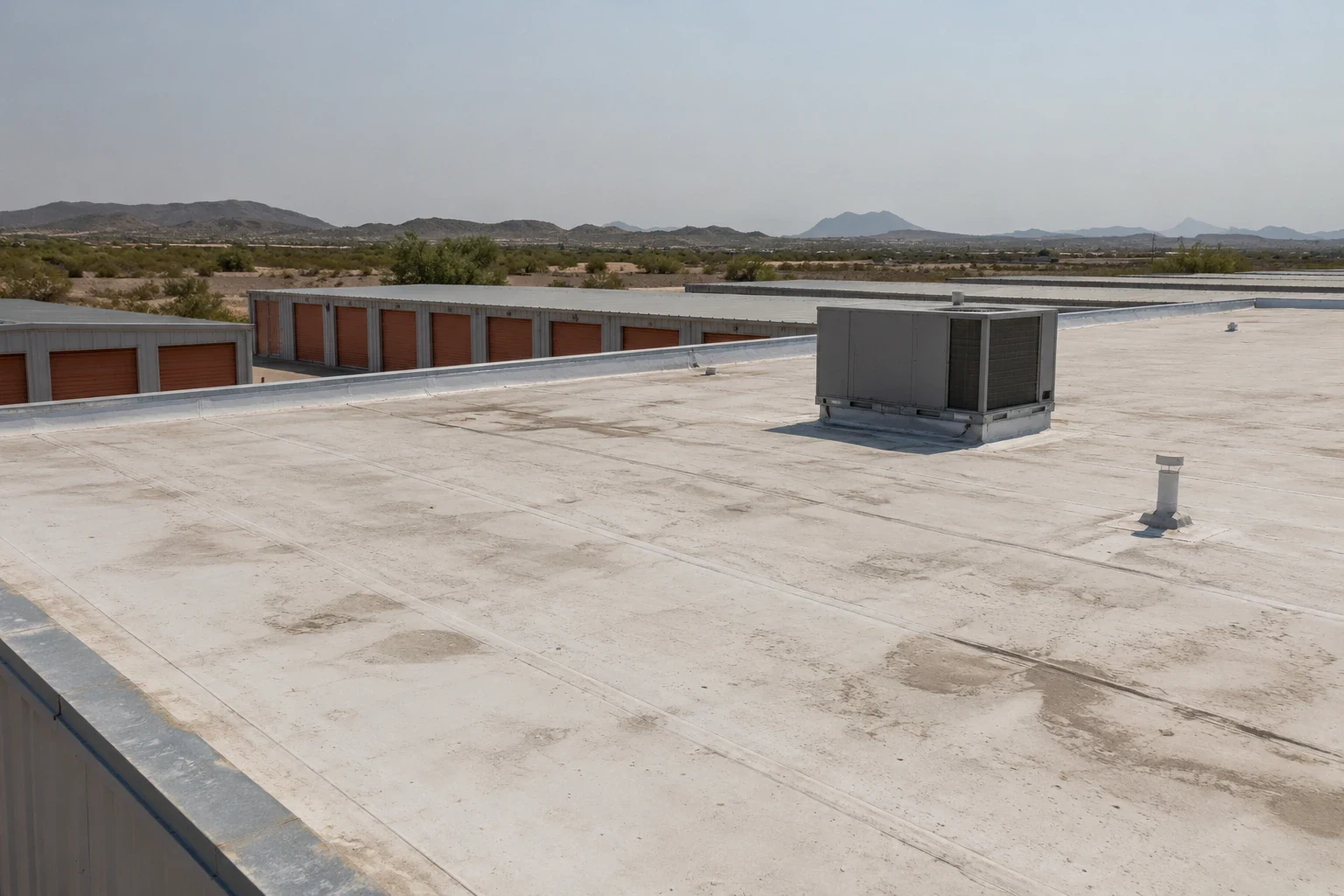
What is the roof carrying besides the membrane?
Big-box roofs carry rows of heating and cooling units, and many stores add refrigeration condensers, kitchen exhaust or garden-center equipment. Each unit sits on a curb that has to stay flashed to the membrane. Each curb is a place where vibration and sun wear on the seal. A technician who walks to the same unit every week also wears a path in the sheet.
We check curb flashing, fasteners at the base of each unit and wear along service routes. Walkway pads between the hatch and the busiest units protect the membrane. Where refrigerant lines or conduit cross the roof, we check that supports lift them clear of the surface and that each penetration is sealed.
Satellite dishes, security cameras and signage supports add small penetrations that nobody tracks. Each gets a boot or a pitch pocket check. Heat cracks sealant first, and a cracked boot is the commonest quiet leak on a store roof.
How is the work scheduled around trading hours?
A store does not close for a roof. We plan in sections that match the receiving schedule, stage material near the loading area and use night or early-morning shifts for tie-ins near interior spaces. Tear-off is done in areas small enough to close each day. Low-odor adhesives or mechanically fastened systems may be chosen when the sales floor cannot be vacated.
Fire lanes stay clear. The crew signs in with the store manager every day. A written notice names the roof area and the noise window. Work at stores near St. George Boulevard or in the mixed office-and-retail setting at Tech Ridge shares lots and drive lanes with neighbors, so the plan also names the crane spot and who approves it.
Bluff Street and River Road are both on the county's regional road map, which helps with dispatch and truck routing for a store on either. It does not tell us how a given store is roofed. Deliveries to the rear dock continue during the project, so the plan reserves a lane for them and keeps the crew's hoist on the other side of the building.
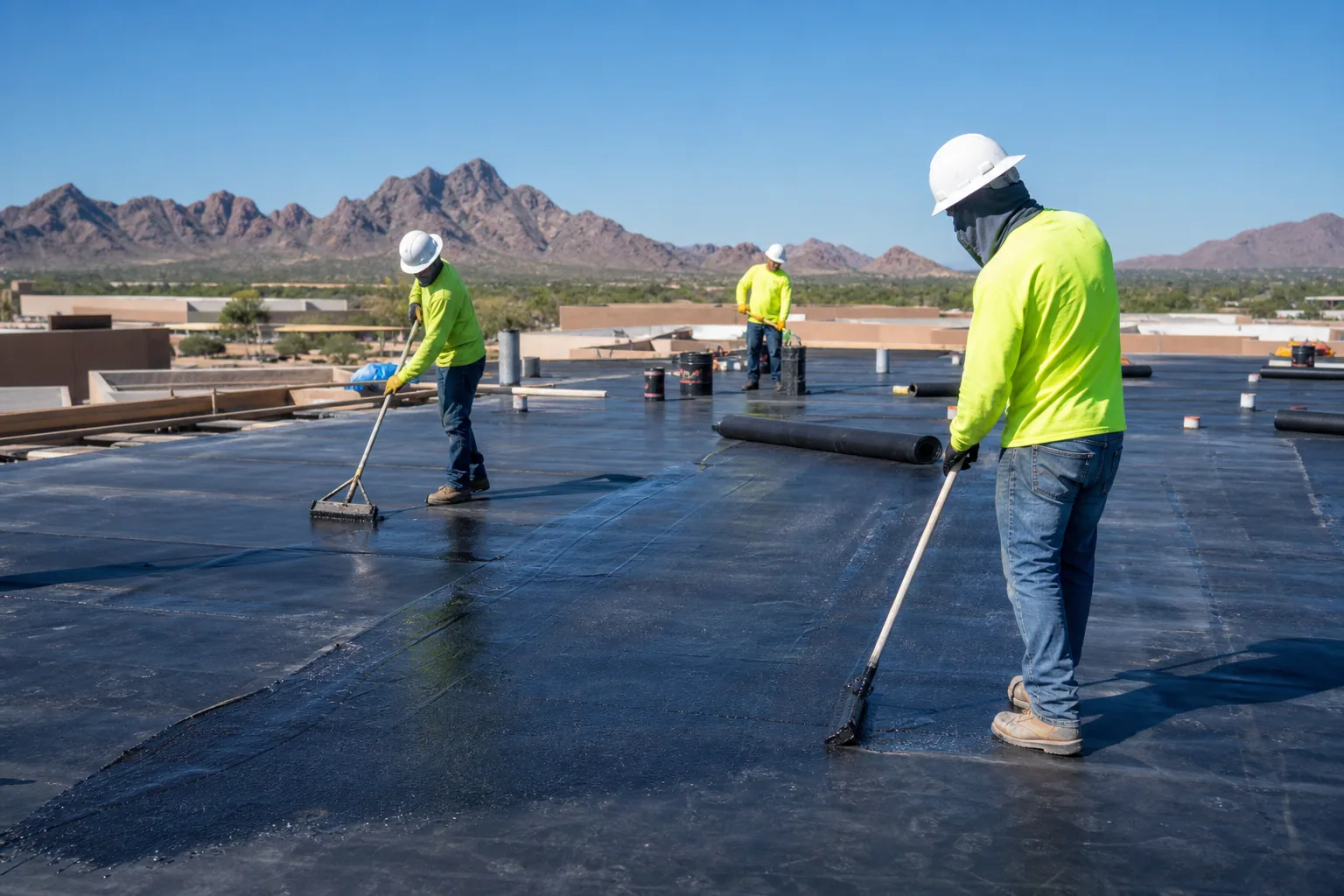
When does a big roof need more than a repair?
When the field is sound and one detail has failed, repair is enough. When the insulation below a worn membrane is dry, a recover keeps the store open with less disruption than tear-off. A replacement fits wet insulation that spreads across several areas. A moisture survey maps the wet boundary so the decision rests on evidence.
Cost drivers are roof area, insulation depth, the number of curbs and penetrations, hoisting to a rear dock and how many sections the store allows to be open at once. A written comparison lets the operator choose against the lease term and the capital calendar. A grocery store roof adds condenser lines and food-safety steps to the same decision, and a restaurant roof in an outparcel adds grease and exhaust.
Timing for a store follows the retail calendar. A large tear-off avoids the holiday season, and membrane and insulation can take weeks to arrive, so the order goes in before the work window opens. The scope sheet states the section order and the allowance for weather holds.
What does the operator keep afterward?
An operator needs a single file: roof plans, warranty papers, repair invoices, leak logs, equipment changes and dated photos by roof section. We hand ours over that way. Each repair is placed by distance from a drain or a unit and lists its materials, and moisture readings beside it show the insulation was dry at closing.
For a chain, the same report on every store makes the portfolio readable. Roof age, condition and remaining service life sit on one page per store. The worst roofs rise to the top of the budget, and a repair at one store informs the plan for the next. Notice dates under any manufacturer warranty are recorded, and deferred work stays on the list with a place and a revisit date.
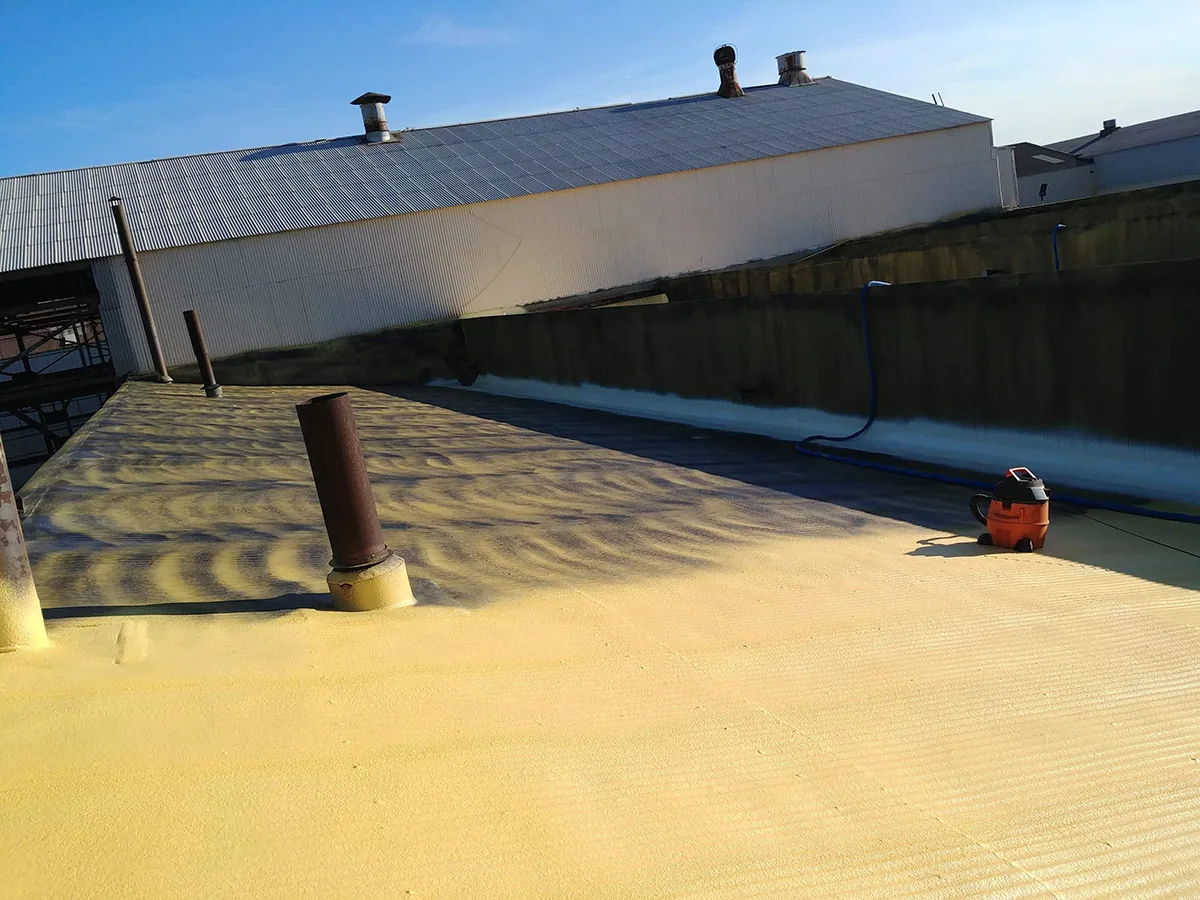
Which energy rules govern a replacement?
A replacement brings energy rules into play. The state adopted the 2024 building code, and its 2024 energy standards, with amendments, become mandatory statewide in July 2026. The scope and the permit date decide which pathway a store follows, so we settle that with the city before the specification is final. Insulation thickness, cover board and attachment follow that answer, and the written scope shows the assembly clearly enough for a permit reviewer to follow.
Commercial Roofing Questions
Is snow a concern for a St. George store roof?
Rarely. The station normal is 1.2 inches a year, so heat, ponding and seam wear matter more.
Can the store stay open during a reroof?
Usually. Work runs in sections that close each day, with night or early shifts near interior spaces.
Why do ponds form on a flat store roof?
Decks deflect and insulation settles, so low spots form between supports. Tapered insulation can correct them.
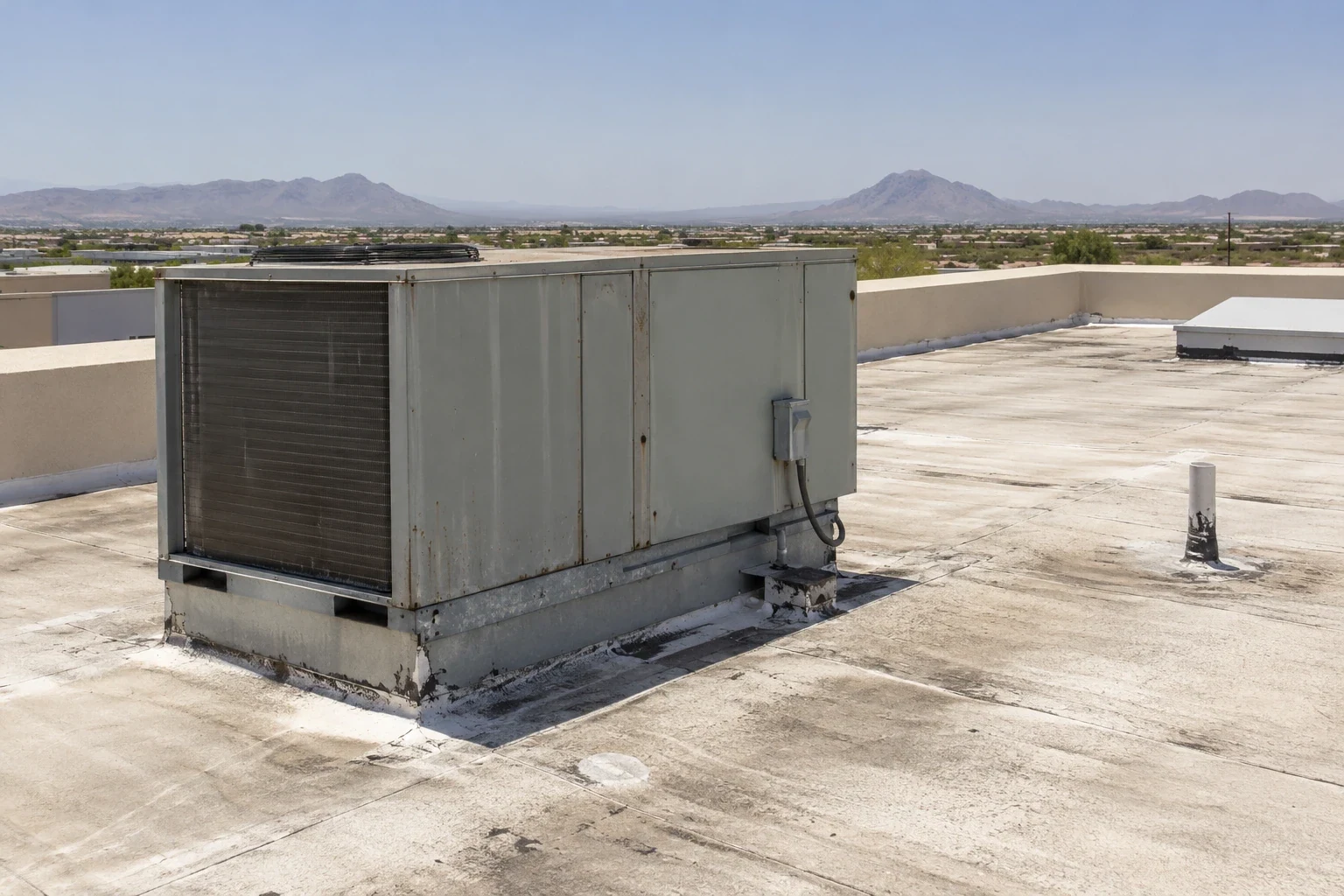
What do you check around rooftop units?
Curb flashing, sealant, fasteners, condensate lines and the membrane along service routes.
How should a chain compare its stores?
With the same report format on each roof, ranked by remaining service life and moisture findings.