
Roof Coating Restoration in St. George, UT
Roof Coating Restoration Overview
A coating goes on a roof that is still working, and the first job is proving that it is. Where July and August mean daily highs come to 101.9 and 99.9 degrees at the St. George NOAA station, a membrane that has spent years under that sun can look chalky, faded or crazed at the surface while the layers below remain sound. A coating can extend the life of that roof. It cannot rescue one that is wet underneath.
We begin with moisture evidence and surface condition, not with a product. The question for the asset manager is narrow: is the existing roof sound enough to restore, and for how long does the owner want the restoration to serve? A commercial roof inspection with a moisture check answers it. If the answer is yes, a coating system can add years to the roof at a lower cost than tear-off. If it is no, we say so before any material is ordered.
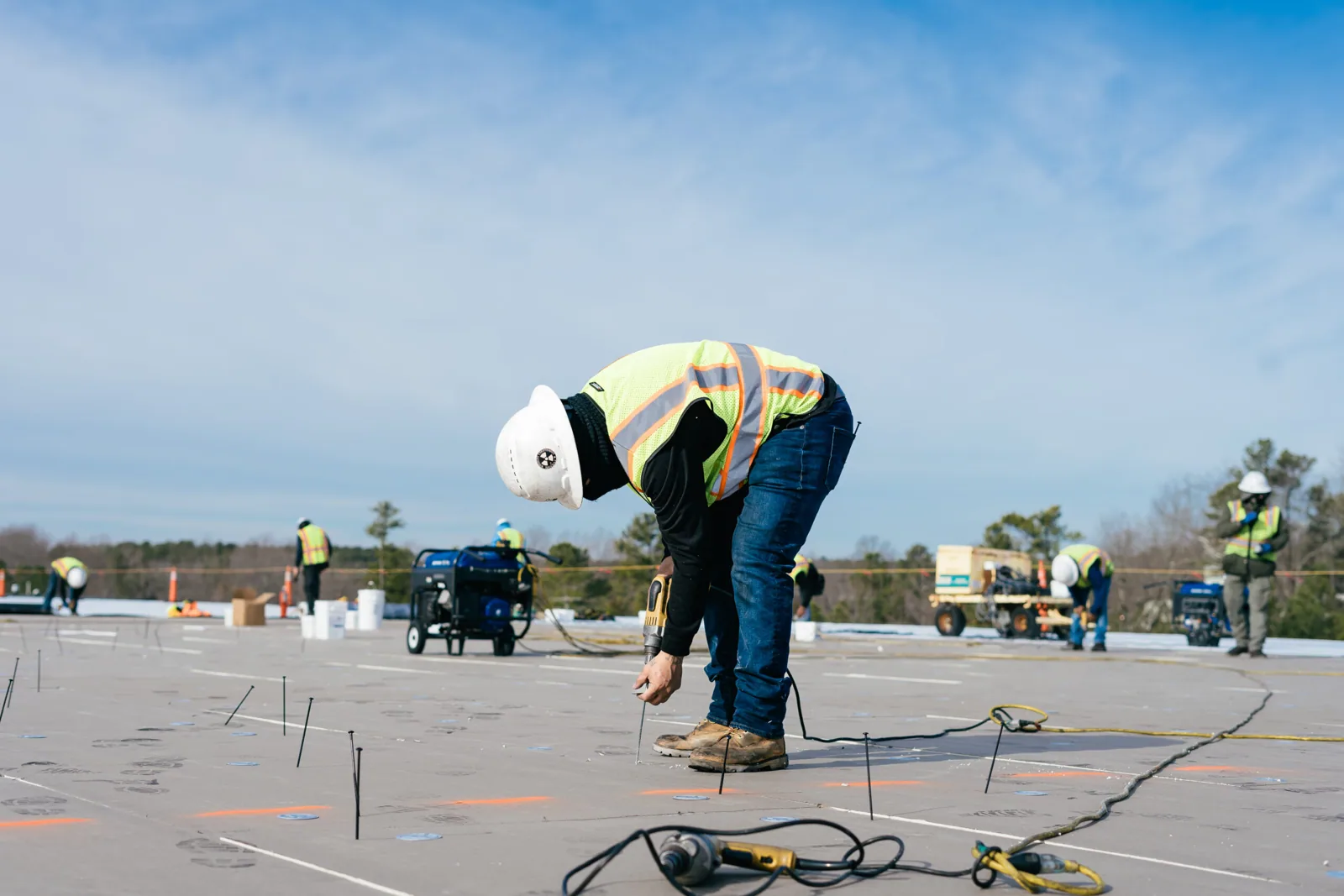
Which roofs are good candidates?
A good candidate has a membrane that is still bonded to its substrate, seams that are intact or can be sealed, insulation that tests dry and a deck that is sound. Surface wear, UV chalking, minor cracking and faded finish are what coatings are meant to address. Many single-ply, modified bitumen, built-up, metal and spray foam roofs can take a coating when those conditions hold.
A poor candidate has trapped moisture, open or shrunken seams across the field, deteriorated insulation or a membrane that has lost adhesion. St. George's Consolidated Plan says much of the city's residential and commercial building stock dates from 1980 or later, though roof age, assembly and overlay history need confirmation parcel by parcel, so we do not assume a roof's condition from the neighborhood. Our infrared moisture survey maps wet areas before coating decisions are made.
What preparation does the surface need?
Preparation decides whether a coating lasts. The surface must be clean, dry and free of loose material, so we pressure wash, remove debris and let the roof dry. Seams are checked and reinforced, penetrations are re-flashed, and failed patches are cut out and replaced. Blisters and splits are repaired. Any ponding area is evaluated, since standing water can affect some coating types more than others.
Primer or adhesion tests come next, because a coating that does not bond will peel. We apply a small test area and check adhesion before the full roof is coated. This step matters on an older membrane with a weathered surface, and it also matters on a metal roof, where rust treatment and fastener sealing come before the topcoat. We record each prep step in the roof record so the owner knows what lies under the finish.
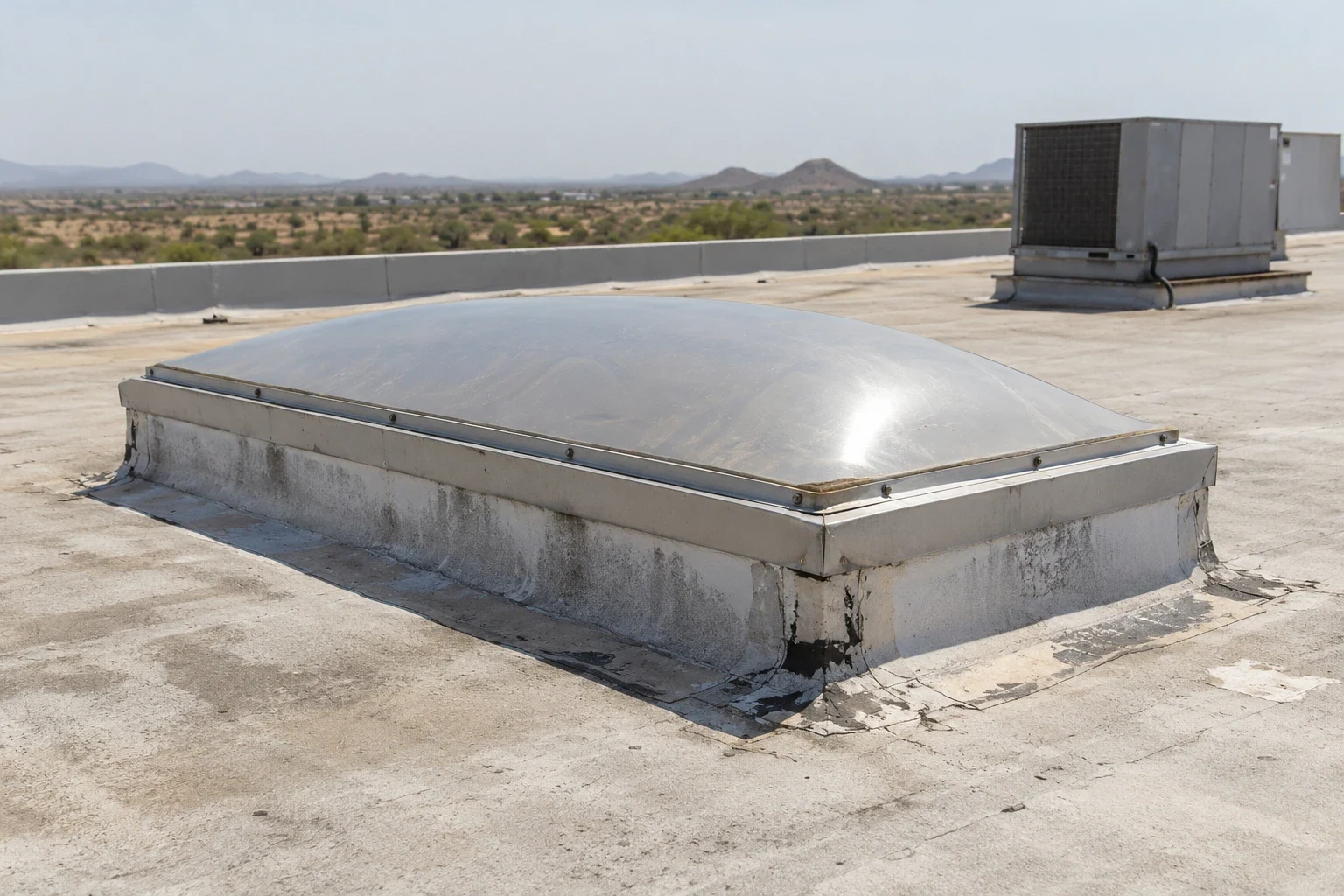
Silicone or acrylic: which fits the roof?
The two systems behave differently. Silicone coatings tolerate standing water well, stay flexible and hold up under strong sun, which makes them a common choice for low-slope roofs that pond. Acrylic coatings are water-based, reflective and cost less in many cases, but they do not like prolonged standing water and need good drainage.
Compatibility with the existing roof matters as much as the coating's own properties. Some silicones will not accept another coating over them later, which affects future maintenance. Some acrylics need a primer on certain surfaces. We choose a system from the substrate, drainage, expected service period and budget, and we describe the tradeoffs so the owner can decide. Coating thickness is specified by the manufacturer's data sheet and measured during application, not guessed.
When can the coating go on?
Coatings cure within a temperature and humidity range, and the roof surface must be dry. St. George's rainfall is limited: the station normals total 9.31 inches a year, and February tops the months at 1.38 inches while June sits at 0.16. Dry weather gives the crew plenty of days, but surface heat in July and August can shorten working time and affect how the material flows and cures.
We plan application for early hours or cooler weeks, and we keep material out of direct sun until it is mixed. An afternoon storm, though uncommon, can ruin an uncured coat, so we watch the forecast and stop in time. For occupied buildings we schedule around the operating day and keep fumes and noise away from air intakes. The work window is set with the facility manager before the first day, and occupied building reroofing methods guide how we stage the area.
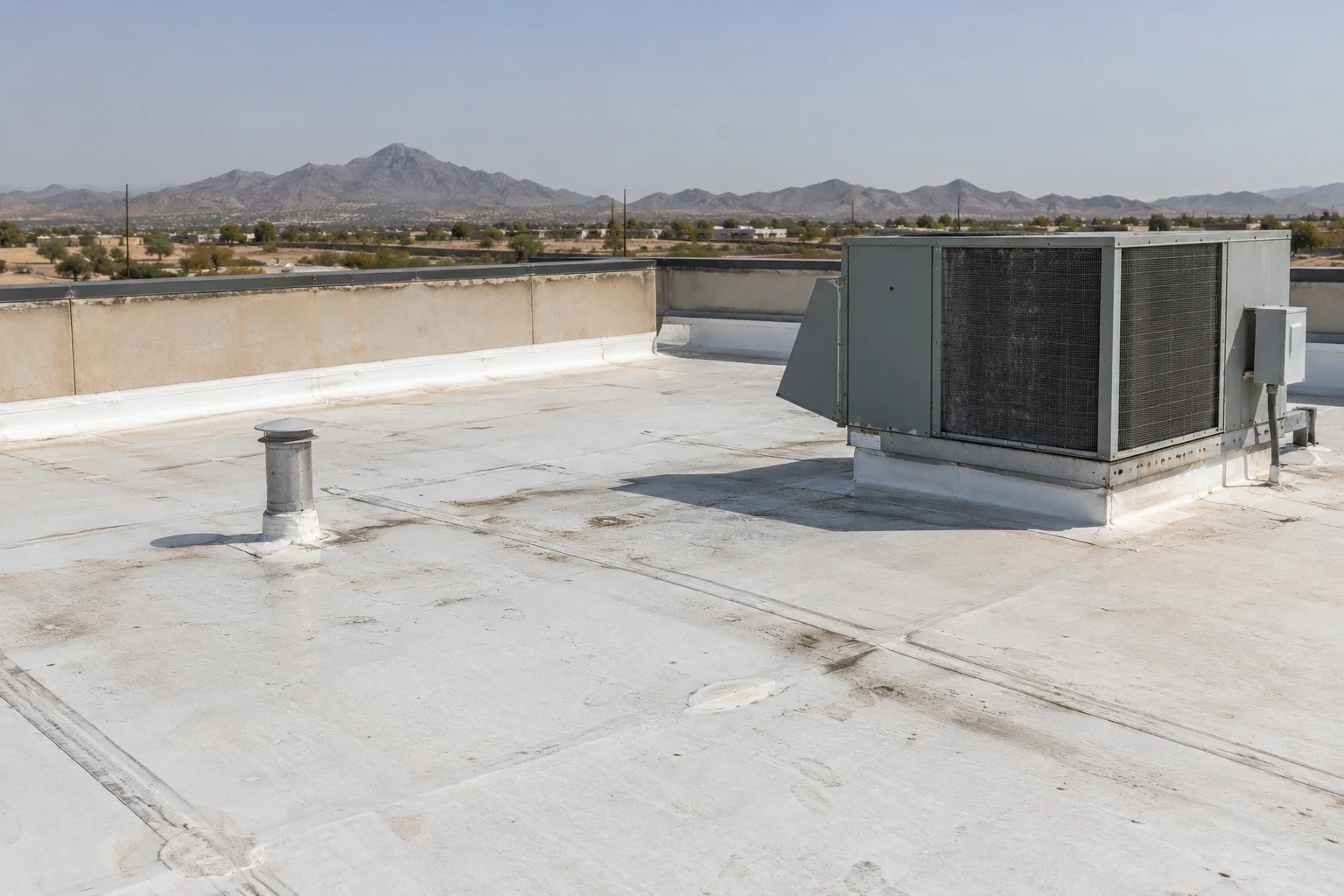
What drives cost, and when is replacement better?
Cost follows the roof area, the amount of repair needed before coating, the coating system and thickness, and access. A roof with many penetrations or a lot of seam work will cost more to prepare. The coating itself is usually a smaller part of the budget than the preparation, which is why a condition report matters before a number is quoted.
A coating is the wrong choice when moisture is trapped, when the deck is weak or when the roof has already used up most of its life. In that case a recover or full replacement protects the building better. The 2024 IECC and ASHRAE 90.1-2022 become the statewide commercial energy standard on July 1, 2026, so a larger project may bring insulation requirements that a coating does not. We confirm which applies before the owner chooses.
Where does restoration fit across a portfolio?
Owners with several buildings often coat the roofs that are sound and replace the ones that are not, spreading the capital over years. Fort Pierce Industrial Park is largely M-1, with warehousing, light manufacturing and similar uses that point to roofs of different footprints, and St. George Industrial Park is another named industrial area, so each roof's needs come from the roof, not the name. We assess each building and rank them for the owner in a roof capital plan.
That ranking turns a list of roofs into a sequence of decisions. The roofs that test dry and sound go to the coating schedule, where the work is short and the cost is predictable. The roofs with trapped moisture, open seams or a weak deck go to a replacement budget, with the most exposed first. Each entry in the plan carries its photographs, its moisture evidence and the open questions that remain, so the asset manager can defend the order to an owner or a lender without re-walking every roof.
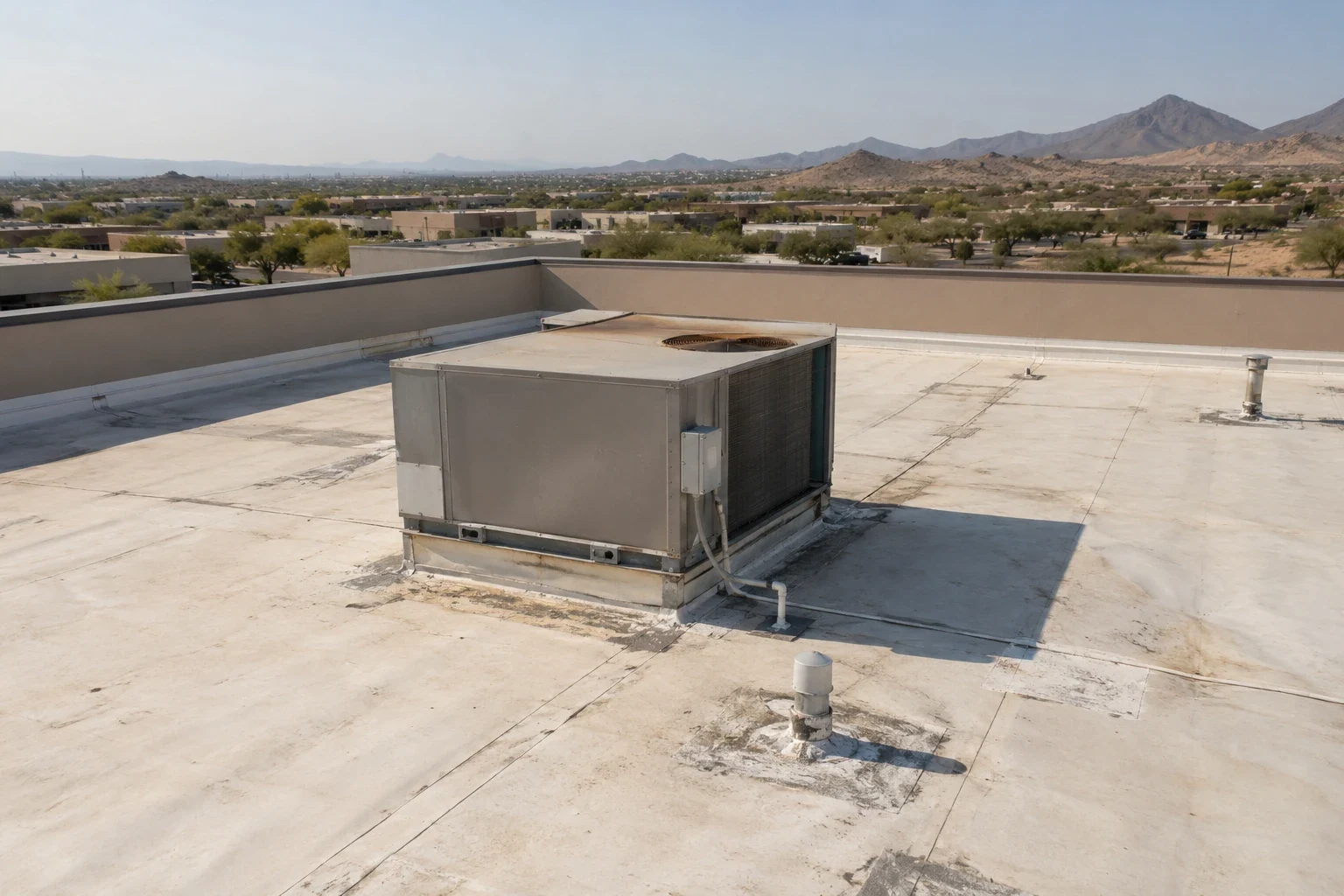
Commercial Roofing Questions
How long will a coating extend the roof?
It depends on the roof's condition and the system chosen, and we do not promise a number. We state the service period the manufacturer's data supports for the substrate, then record the baseline so later visits show how the coating is performing.
Can you coat over wet insulation?
No. Trapped water will blister the coating and keep damaging the layers below. We test first, remove and replace wet sections and coat only when the roof is dry and sound.
Is a coating a repair or a new roof?
It is a restoration of a roof that is still serviceable. It adds a protective, often reflective surface and seals small defects. It does not replace damaged insulation or a failed deck.
Will the coating make the building cooler?
A reflective surface can lower roof surface temperature, which may reduce heat load on the building. The effect varies with the system and the building, and we do not give a savings figure without data.
What records do you need before the visit?
Roof plans, repair history, warranty terms, the installed membrane type and any past moisture tests. Add access rules and the operating schedule, and we will plan the work window around them.