
Commercial Roofing in Atkinville Community-Commercial Areas, UT
Atkinville Community-Commercial Areas Overview
Two planning areas on the west side of I-15 carry the community-commercial label in the Atkinville interchange zone plan. Area 2.1 covers 33.9 acres north of Sun River Parkway, between Pioneer Road and the interstate, and area 2.2 adds 8.1 acres along Pioneer Road near the northern edge of the plan, for 42.0 acres combined. Land set aside for community-commercial use tends to produce roofs on a schedule set by developers and tenants, so the roof question here often arrives before the building does: who coordinates the roof, what the deck and insulation will be, and who will own the maintenance afterward.
We serve this ground from St. George, UT. A plan label does not tell us what stands on any parcel, so we treat each address as a fresh walk. If a roof exists, we inspect it. If a building is still in design, we can review the roof assembly before it is bid.
What should a roof plan settle before the deck is poured?
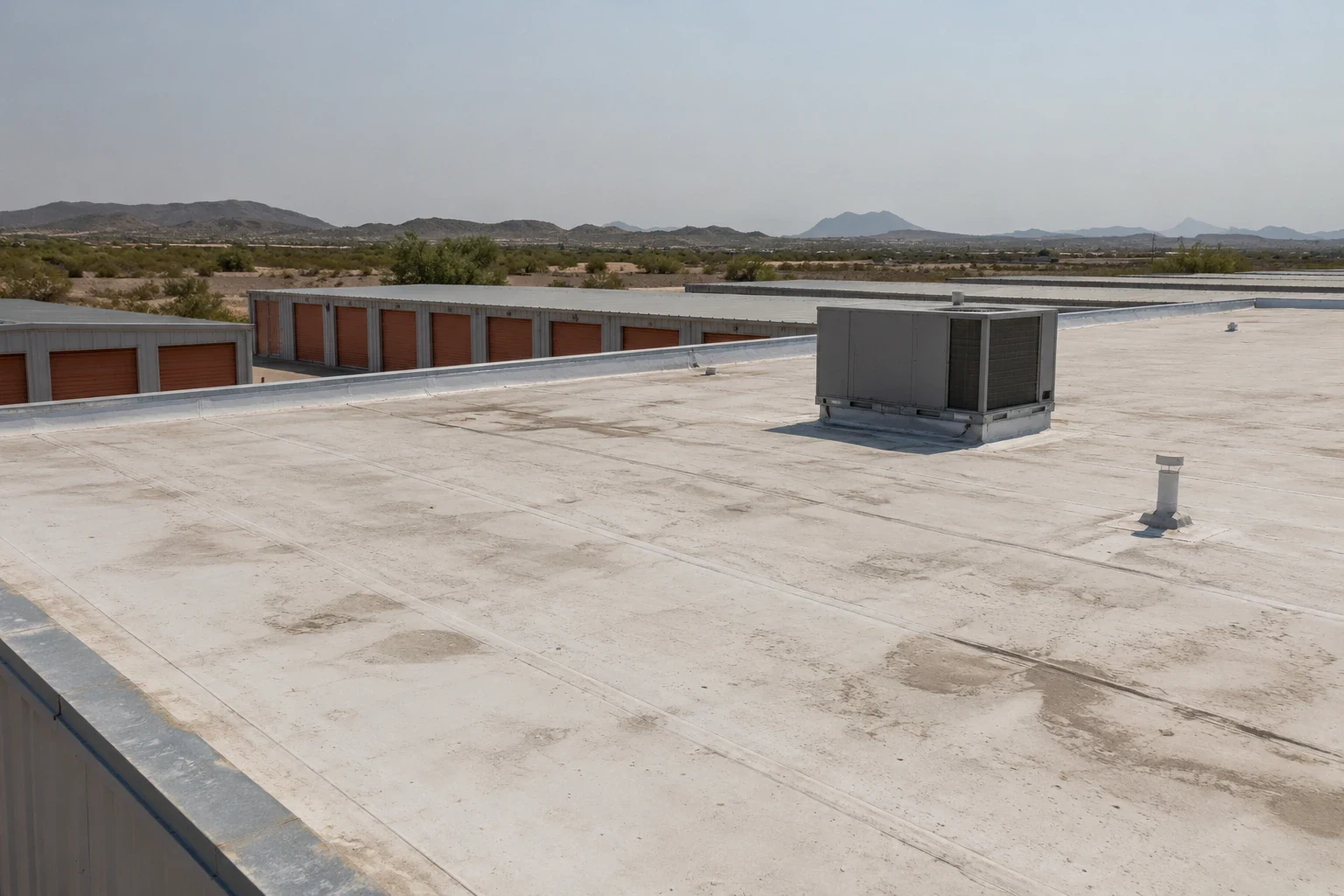
Most roofing grief on a new commercial building starts with decisions made quickly in design. The slope to the drains, the number and placement of rooftop units, the type of insulation and the parapet height all fix how the roof behaves for years. We read a roof plan for drain count against roof area, for overflow routes that actually reach the exterior, and for curb locations that leave clear room around each unit for flashing.
For general contractors, a short review before the roofing bid is often cheaper than a field change after the membrane is down. We sort the plan into items that are settled, items that need a clarification from the designer and items that need a field check. Teams that coordinate with a general contractor on a multi-parcel project can use that sorted list to keep trades from working over a finished roof. Each item carries a photo or a drawing reference, so a question raised in a weekly meeting can be answered without a second site trip.
How does heat shape a roof near an interstate interchange?
Interchange land is open and exposed. St. George's own station logs a July normal of 101.9 degrees and an August normal just under 100, and an unshaded roof takes that sun without a tree or a taller neighbor to break it. A light surface reflects more of it, and a cool roof installation is worth pricing early when a building will run air conditioning through the summer months.
Single-ply membranes in light colors are common for that reason, and a PVC roof adds chemical resistance where kitchen exhaust or oils reach the surface. Either one needs well-welded seams, careful flashing at corners and a sound walk path from the access point to each unit. We place walk pads where service technicians will go, because worn paths in a membrane are an avoidable repair.
Does a dry climate let drains go unchecked?
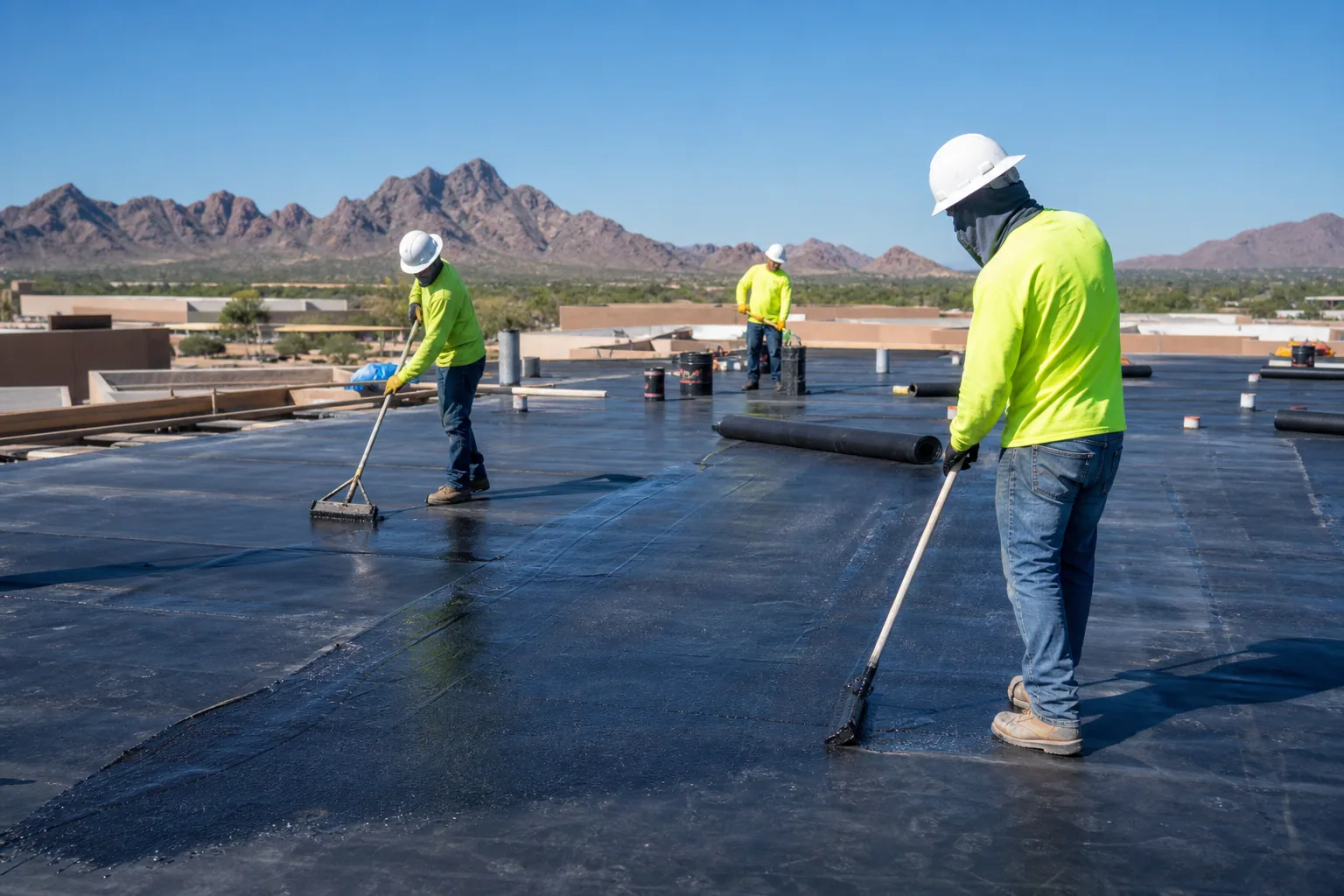
It tempts owners to. Rain is scarce at the St. George station, which logs 9.31 inches in a year and its peak monthly normal of 1.38 inches in February. A building can stand through a long dry stretch with no leak at all, and that quiet hides a blocked scupper or a gap in a flashing until a wet month arrives. In a newly built area, dust from nearby grading and construction debris left on the roof add to the risk.
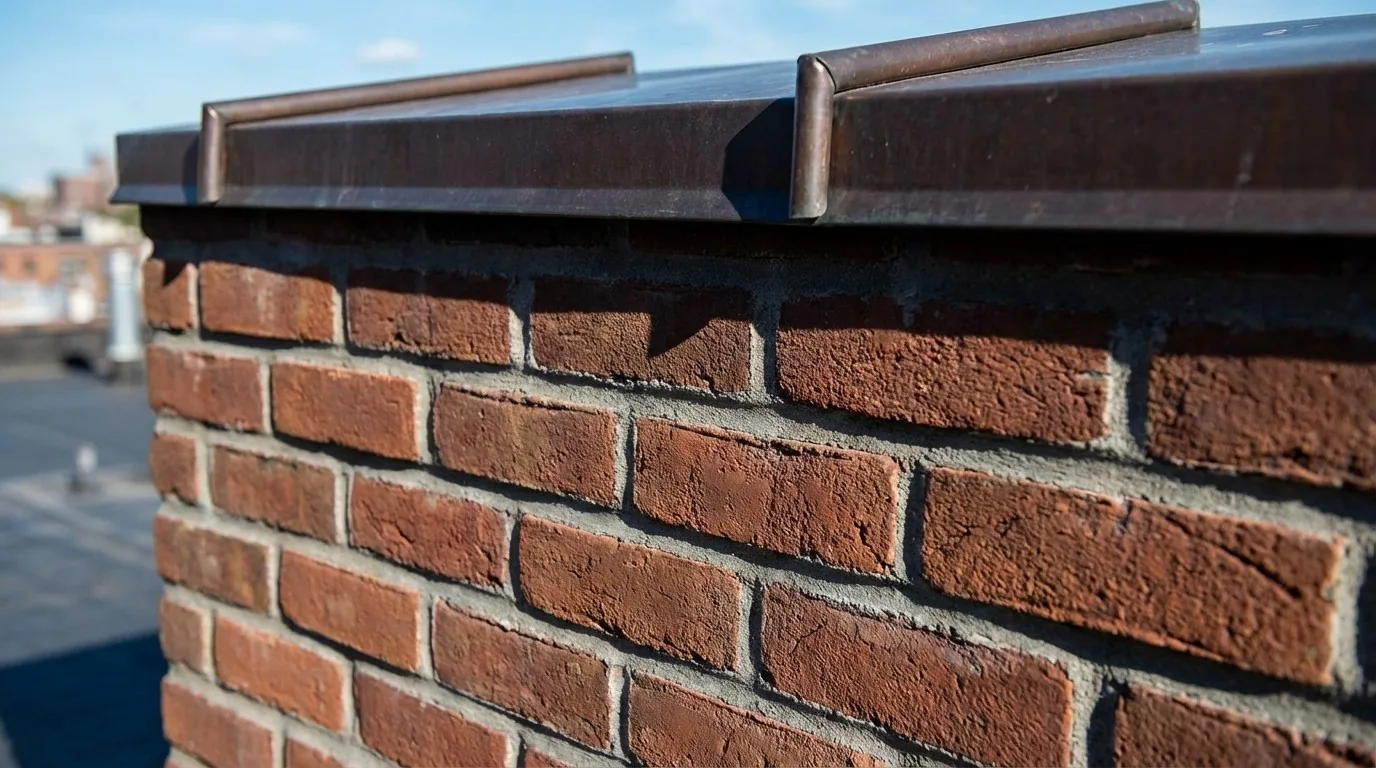
We recommend a first clean of drains and scuppers at turnover, and then a regular visit. Roof drains and scuppers are cheap to maintain and costly to ignore. During each visit we also look at rooftop units for loose panels and condensate that wets the membrane, and we check every wall-to-roof flashing where a wall meets the roof plane, since a joint that opens at a wall is an easy path for water.
What changes when tenants add rooftop equipment?
A community-commercial area is a place where tenant improvements keep coming. Each time a tenant adds a unit, a vent or a satellite mount, the roof takes a new hole or a new load. We review rooftop equipment curbs and supports as part of any tenant change, and we ask the property manager to call us before an HVAC contractor goes up, so the penetration is flashed properly and the warranty file is kept whole.
That file matters. A roof warranty usually carries conditions about who may cut into the membrane, and a roof that has been opened by an unqualified trade can lose coverage. Careful records through roof warranty management let an owner show what was done, by whom and when. We note each penetration with a photo and a position on the roof sketch, so the next visit starts from facts.
Tenant work also brings foot traffic. Technicians who carry tools and filters across a membrane scuff it, drop screws that puncture it and leave debris that blocks drains. A clear walk route, a posted rule about screws and a short check of the roof after each service call keep small damage from turning into a leak, and that check costs far less than a membrane repair.
What drives cost and timing on this kind of site?
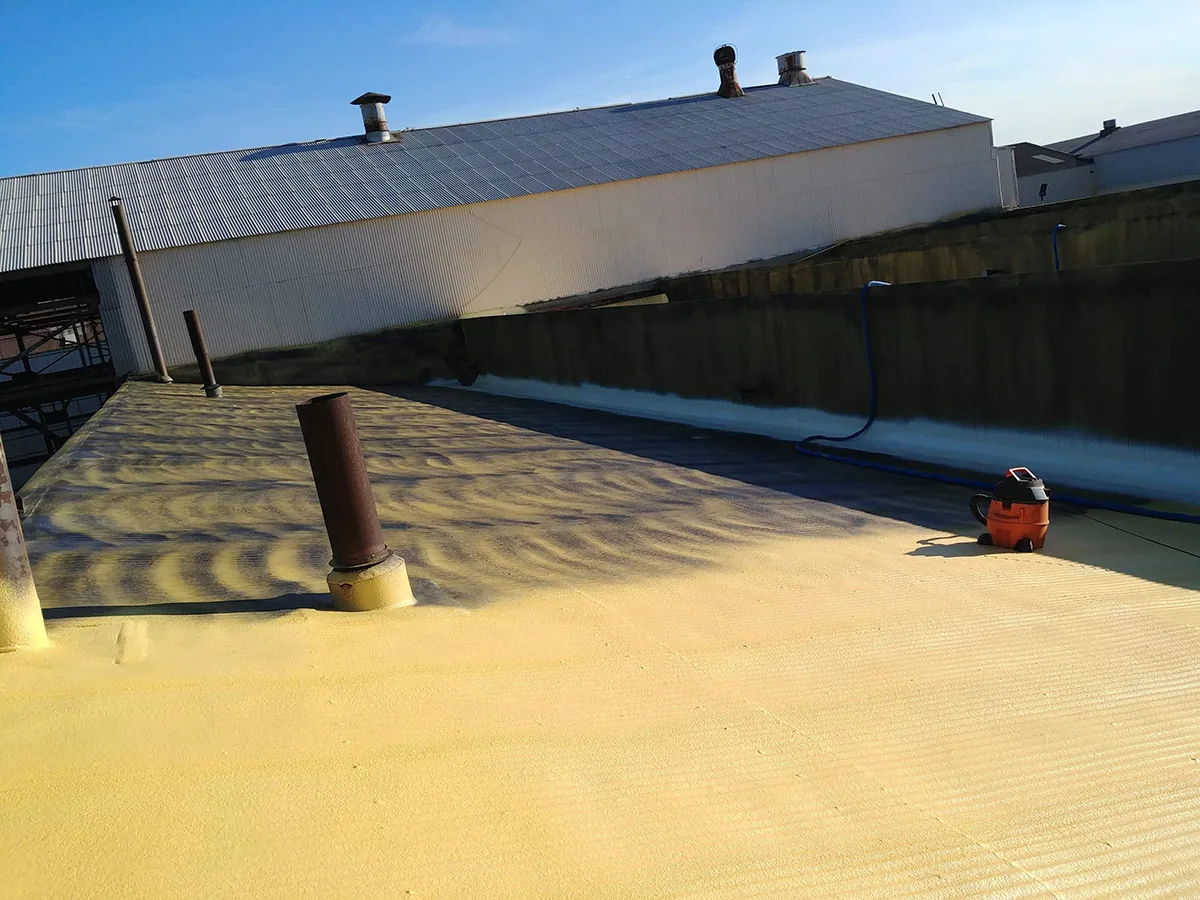
For a new building, cost follows the deck type, the insulation thickness the energy code requires, the roof shape and the count of penetrations. Permit review in Utah runs on the 2024 International Building Code, and the energy rules for commercial work point to the 2024 IECC and ASHRAE 90.1-2022, with mandatory statewide enforcement beginning July 1, 2026. Permit-date editions and local amendments should be confirmed for each project, since they set the insulation value a roof has to reach.
Timing follows the construction sequence. A roof cannot be finished until the mechanical trade has set units and the framers have finished the parapets. If shell and finishes will not be done for months, a temporary roof or a base layer may be considered. Where several tenants share one deck, as on a shopping center roof, the plan also has to settle who pays for which section. Owners with property in Washington City or in Hurricane can have us review those roofs in the same pass.
Commercial Roofing Questions
Can you review a roof design before a building goes out to bid?
Yes. Send the roof plan and the energy requirements and we mark drain counts, overflow paths, curb spacing and insulation depth against the roof area. The marked set goes back with questions for the designer.
Who handles the roof once the contractor leaves?
The owner does, and that is the gap to close at turnover. We set a first cleaning of drains, a baseline photo set and a visit schedule, so problems are caught while a warranty claim can still be made.
Does it matter that these lots sit next to the interstate?
It affects staging and delivery, because trucks, cranes and lifts need clear access, and it affects dust that settles on roofs. We plan the haul route in advance and wash or sweep problem areas during maintenance.
How do you roof a building with several tenants?
We map the roof by tenant bay, mark each unit and drain, and schedule work in sections. Noisy or hot work goes over the quietest bays first, and every tenant gets notice of the dates.
What if the building is still only a plan?
Then there is no roof to inspect yet. The review covers the drawings, the energy requirements and the roof assembly, and we return when there is a deck to walk, with the open questions from design in hand.