
Commercial Roofing in Green Valley, St. George, UT
Green Valley Overview
Sun is the first thing a flat roof meets each day in St. George, UT, and it is the first thing we plan around in Green Valley. The city's features map lists Green Valley as a named local place, and the county road map shows Sunset Boulevard among the region's main arterials, which helps us route crews. The name does not say what is on any roof. What it does let us do is talk about the work that suits a sunny, dry setting: restoration coatings, reflective surfaces and the careful preparation that makes either one last.
A coating is not a shortcut. It is a system that bonds to what is already there, so the first question is whether the existing roof is a good base. We answer that on the roof, with a probe, a moisture check and a test patch. Only after that do we talk about color, thickness and price, because those choices make sense only for a base that can hold them.
Is the roof under the coating worth saving?
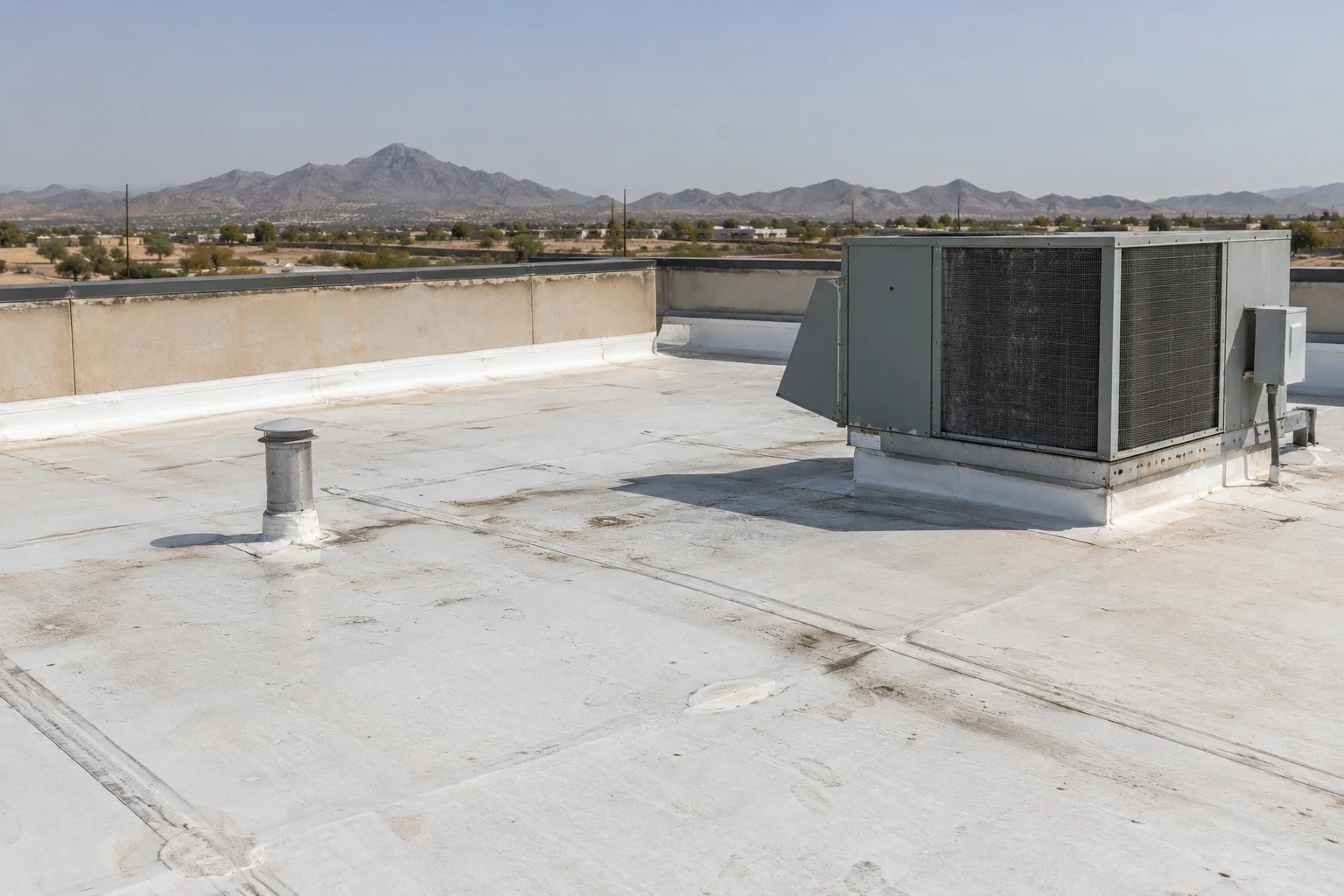
A coating is only as good as its substrate. If insulation below the membrane is soaked, the coating seals the water in and the roof fails from beneath. If the membrane is torn or its seams have opened, the coating needs repairs first. We scan for moisture, walk the roof for soft spots and blisters, and cut a small sample to see how the layers bond.
When the base passes, restoration pays off by delaying a tear-off. When it does not, the better path is to replace the wet sections and coat what remains, or to replace the whole system. We write both options with their cost drivers so the owner can see the trade: a coating costs less up front, while replacement resets the clock. The evidence goes into the report with photographs, so the decision is easy to defend.
Which coating fits a hot, dry setting?
Silicone and acrylic are the two common liquid-applied choices. Silicone roof coatings tolerate ponding water better and keep their flexibility under sun, which suits roofs with slow-draining areas. Acrylic roof coatings are often chosen where drainage is good, and they can be a cost-effective way to add reflectivity to a sound surface.
Neither is right for every deck. Some existing membranes accept one and reject the other, and adhesion tests show which way to go. We also consider walkability, because technicians on rooftop equipment wear on the surface. For a high-traffic route, we add walk pads or a reinforced layer. We choose from the roof's drainage, condition and use, and the adhesion test has the last word.
Why does surface preparation take so long?
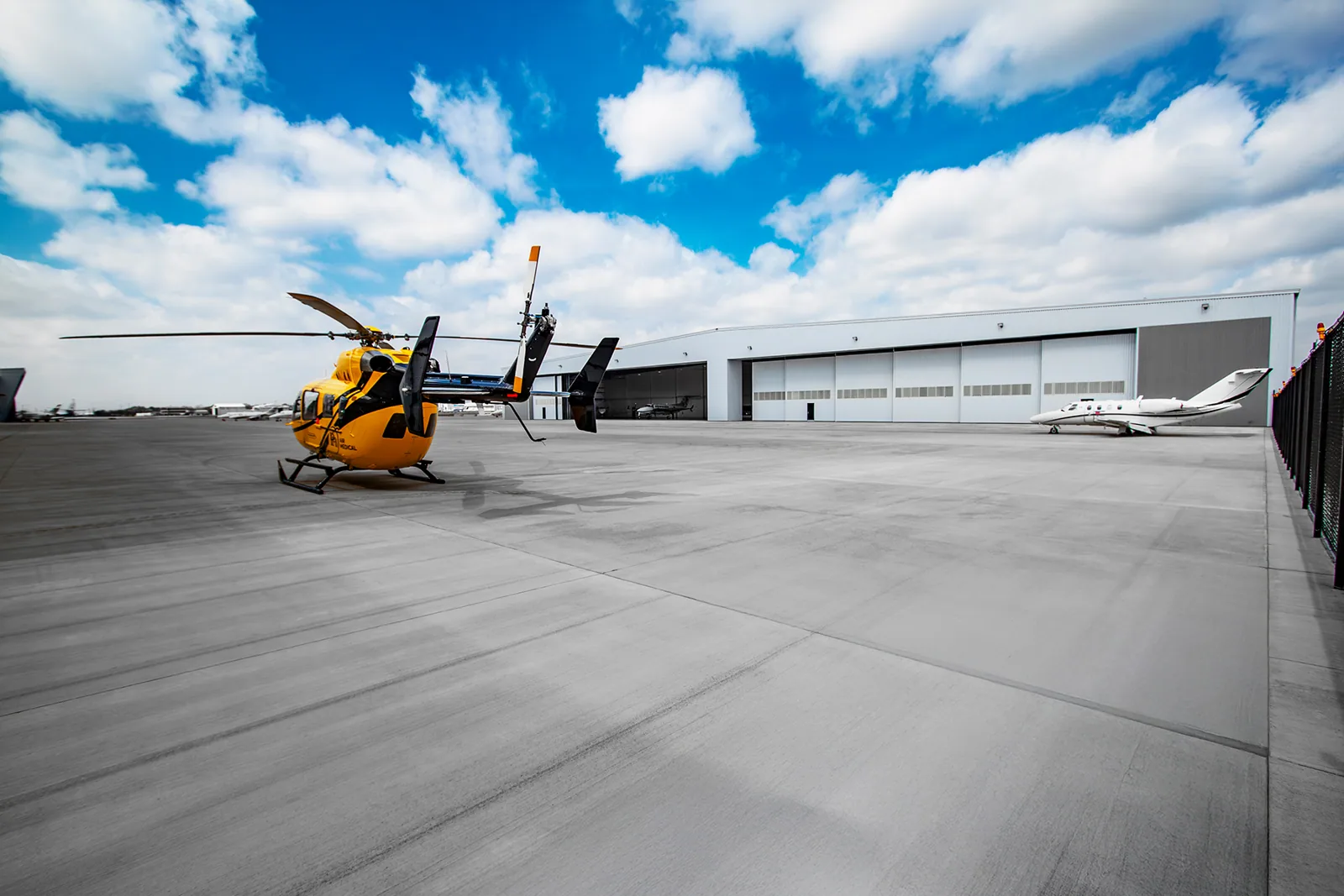
Most coating failures trace back to prep. Dust, oil, algae and chalk keep a coating from bonding, so we pressure wash or clean the roof and let it dry fully. Seams, flashings, pipe penetrations and drains are repaired or reinforced with fabric and mastic before the field coat goes on. We fix ponding spots where possible, because standing water over a weak spot tests any coating.
Penetrations get special care. Around each vent, curb and drain we embed reinforcing fabric in the base coat, build up a small fillet where the roof meets the wall and check that the corner has no gap. These are the places where a coating thins out, and where a roof coated in a hurry fails first. We photograph each stage, so the owner sees the work that will be hidden once the final coat is down.
Timing then depends on weather and surface heat. July and August normals at the St. George station sit near 102 and 100 degrees for the daily high. Some coatings flash off too quickly on a hot roof and skin over before they level. We start early, watch the surface temperature and avoid applying when rain is forecast, since a coat needs cure time before water touches it. Dry weather is common here, but a given week can still bring a storm.
What does a reflective roof change inside the building?
A reflective surface sends more sunlight back instead of absorbing it, which lowers the roof's surface temperature. For a building with air conditioning working through long summers, a cooler roof can ease the load on rooftop units. The size of that gain depends on the insulation, the color of the old surface and the building's use, so we describe it as a likely benefit and not a promise. A cool roof installation can be done by coating or by choosing a light membrane in a replacement.
Utah's commercial energy rules point to the 2024 IECC and ASHRAE 90.1-2022, which every jurisdiction in the state must apply after July 1, 2026. Reflectivity and insulation values may figure in an alteration or reroof, so the permit pathway is checked before the scope is final. A coating over a sound roof can be a lighter project than a full reroof, but it is not exempt from questions.
How is a coated roof kept in good shape?
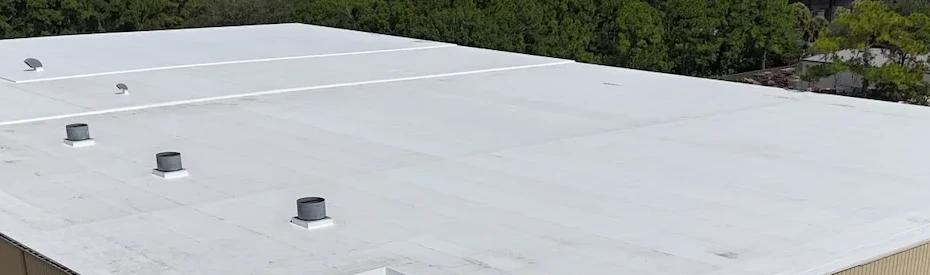
A coated roof needs a yearly look at drains, seams and rooftop equipment. Debris and standing water wear on the surface, and a recoat is far cheaper when it is planned than when leaks force it. Nine and a third inches of yearly rain at the St. George station sounds small, but one wet month can find a hole in a coating that has been scraped by foot traffic. Light cleaning every year or two keeps the surface reflective.
Wear usually shows first near hatches, ladders and equipment, where feet fall most. We mark those paths, add walk pads and recoat worn spots before the base layer shows. A small touch-up at the right moment extends the life of the whole coating and keeps the warranty file, if there is one, in order. We write each touch-up into the roof log with a date and a photo, so the next visit can see how the surface is wearing.
The city's consolidated plan notes that much of its commercial stock has been built since 1980, so many coated roofs sit on assemblies that are not ancient but may still hold earlier repairs. Preventive roof maintenance records each visit and each patch. Owners elsewhere in the metro, such as Tonaquint Valley or Little Valley, can have roofs surveyed on the same visit.
Commercial Roofing Questions
Can any flat roof be coated?
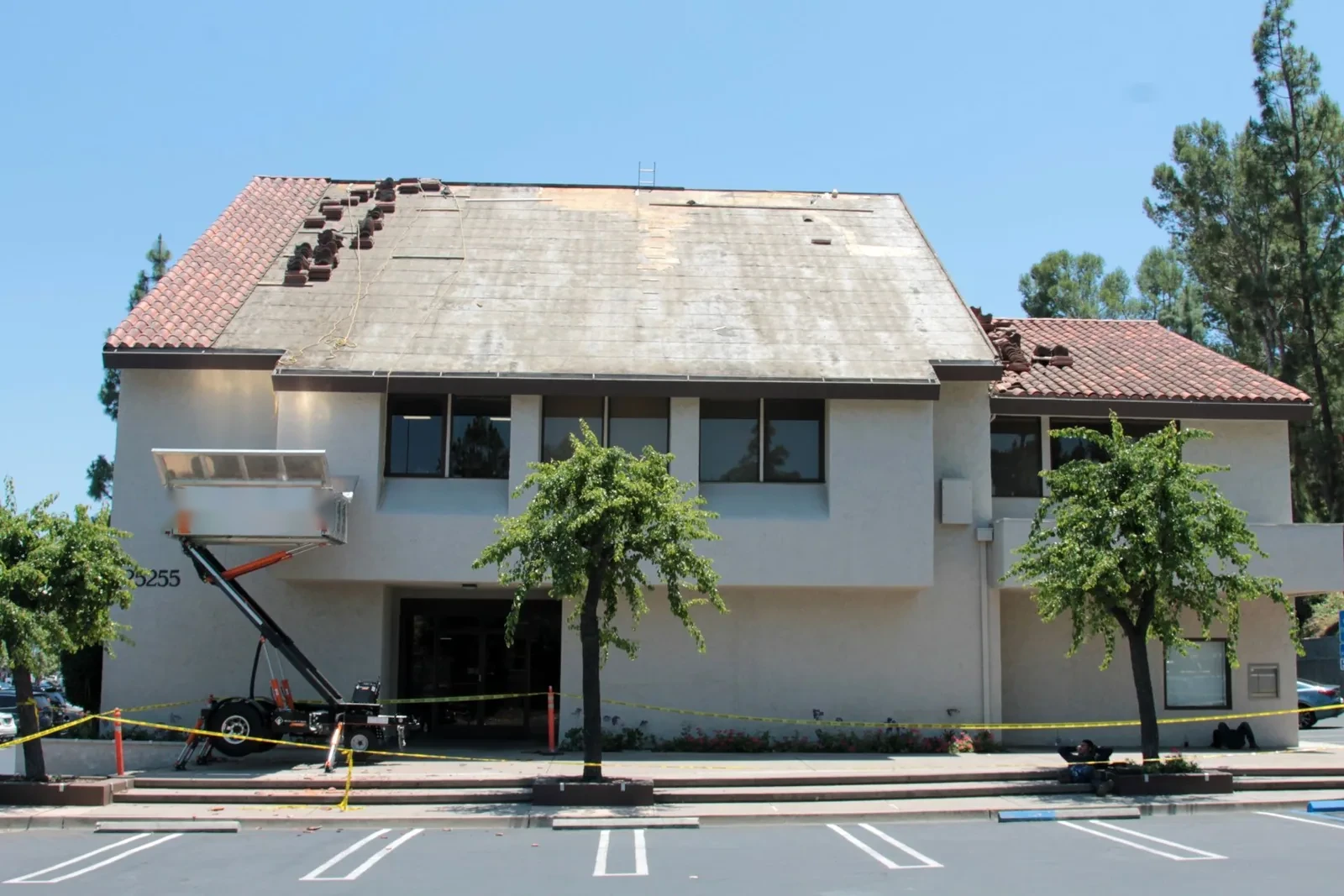
No. The roof needs dry insulation, a sound membrane and a clean surface. A test patch and a moisture scan confirm it. If the roof fails those checks, we repair or replace first.
How long before rain can touch a fresh coat?
Silicones and acrylics cure on different clocks, so we follow each system's instructions, schedule around the forecast and keep covers on site in case a storm turns up before the coat has set.
Will a coating stop an existing leak?
Not by itself. Leaks come from specific details, and those are repaired and reinforced before coating. The coating then adds a continuous layer over a roof whose weak points have been fixed.
Does a reflective coat lower my power bill?
It can lower roof temperature and cooling demand. The size of the effect varies with insulation and building use, and we describe the likely direction without stating a figure we cannot support.
When is replacement the better call?
When insulation is wet over a large area, seams have failed widely or the membrane is split throughout. A coating would be a cosmetic layer over a failing system in those cases.