
Commercial Roofing in Tonaquint Valley, St. George, UT
Tonaquint Valley Overview
Owners who hold several roofs in one part of town need a routine more than they need a rescue. Tonaquint Valley is listed on the city's features map as a named local place, and the county road map shows I-15 and River Road among the main routes through the region. From our base in St. George, UT, those two roads shape how a crew moves between addresses on a single maintenance day.
A named valley does not tell us what is on any roof, so a routine begins with a first walk of each building. After that, the repeat visits are short and comparable: the same checklist, the same photo points and a short list of changes since last time. The routine is what keeps a small crack from reaching the ceiling tile.
What does a roof maintenance visit actually cover?
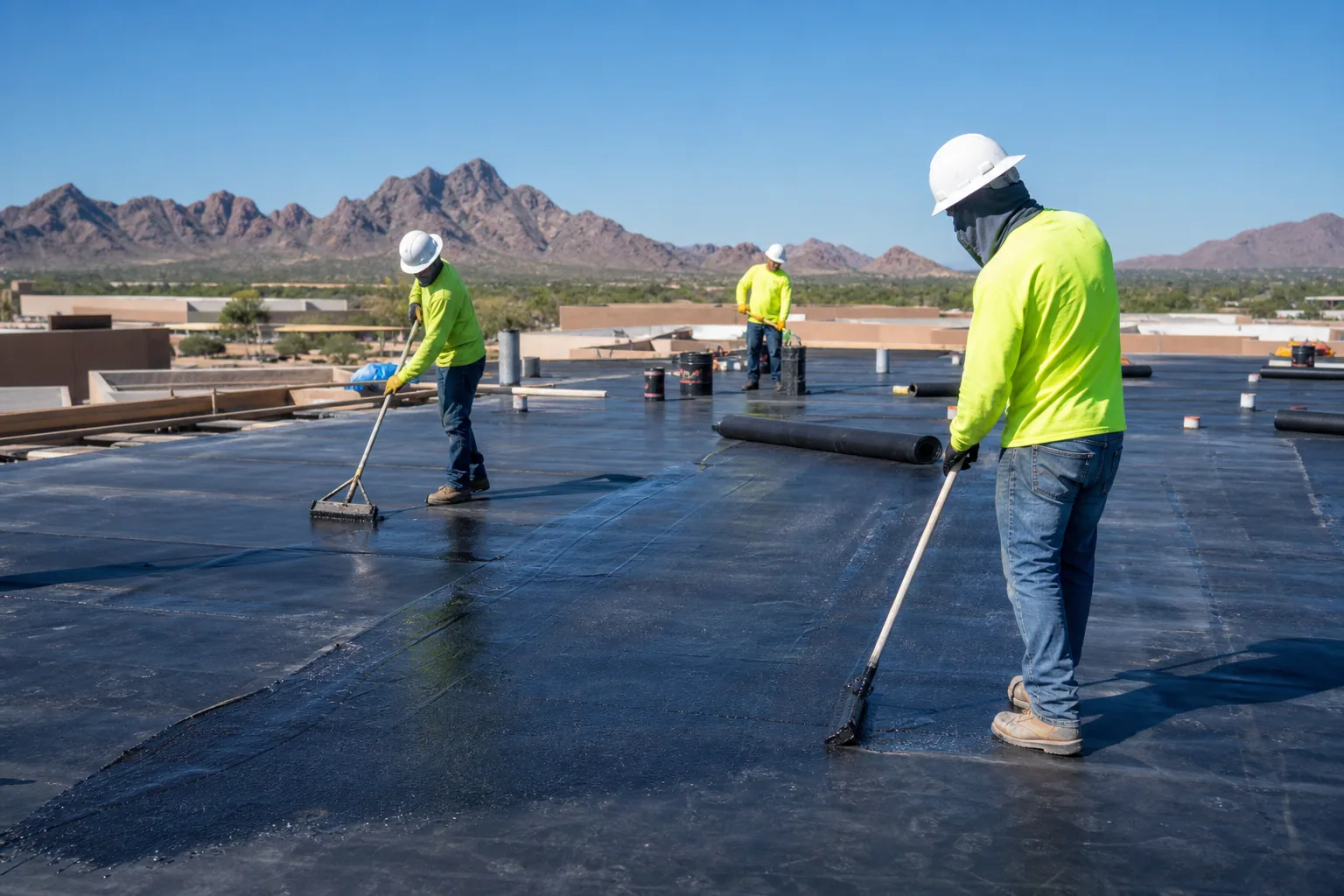
Each visit follows a fixed order. We clear drains, scuppers and gutters, check that overflow outlets are open, and walk the seams looking for lifted edges, blisters and punctures. We inspect flashings at walls, curbs and pipes, and we test sealant by hand. Rooftop equipment gets a quick look for loose panels, leaking condensate lines and worn walk paths.
Minor repairs are made on the spot with material carried on the truck. Larger items go in a written list with a photo and a rough priority. This is the core of preventive roof maintenance, and its value shows up in what does not happen: fewer interior stains, fewer emergency calls and a longer interval before replacement is needed.
Documentation is part of the visit. Every drain cleared gets a before and after photo, every patch gets a location mark on the sketch, and every open question gets a line in the report. When the next visit arrives, we compare the new photos to the old ones, which makes slow changes such as ponding that grows or a seam that creeps visible. That comparison catches trouble earlier than a single inspection can.
When does a drone make the first pass better?
A drone gives a safe, quick survey of a large or awkward roof before anyone steps onto the surface. It shows ponding, discoloration, debris, missing caps and obvious damage from above, and it records the whole roof in one set of images. Where access is limited or the surface is too hot to walk comfortably, drone roof inspection narrows where the crew needs to go on foot.
It does not replace a hands-on check. A drone cannot press a seam, probe a soft spot or feel a fastener that has backed out. We use the aerial images to plan the walk, then verify the suspect areas by hand, so the report carries both overview and close-up evidence. The images are stored with the roof file and labeled by section, which saves time when a manager asks about one corner of one building. For an owner with many roofs, the image set also becomes a visual record that can be compared year over year.
How does summer set the maintenance calendar?
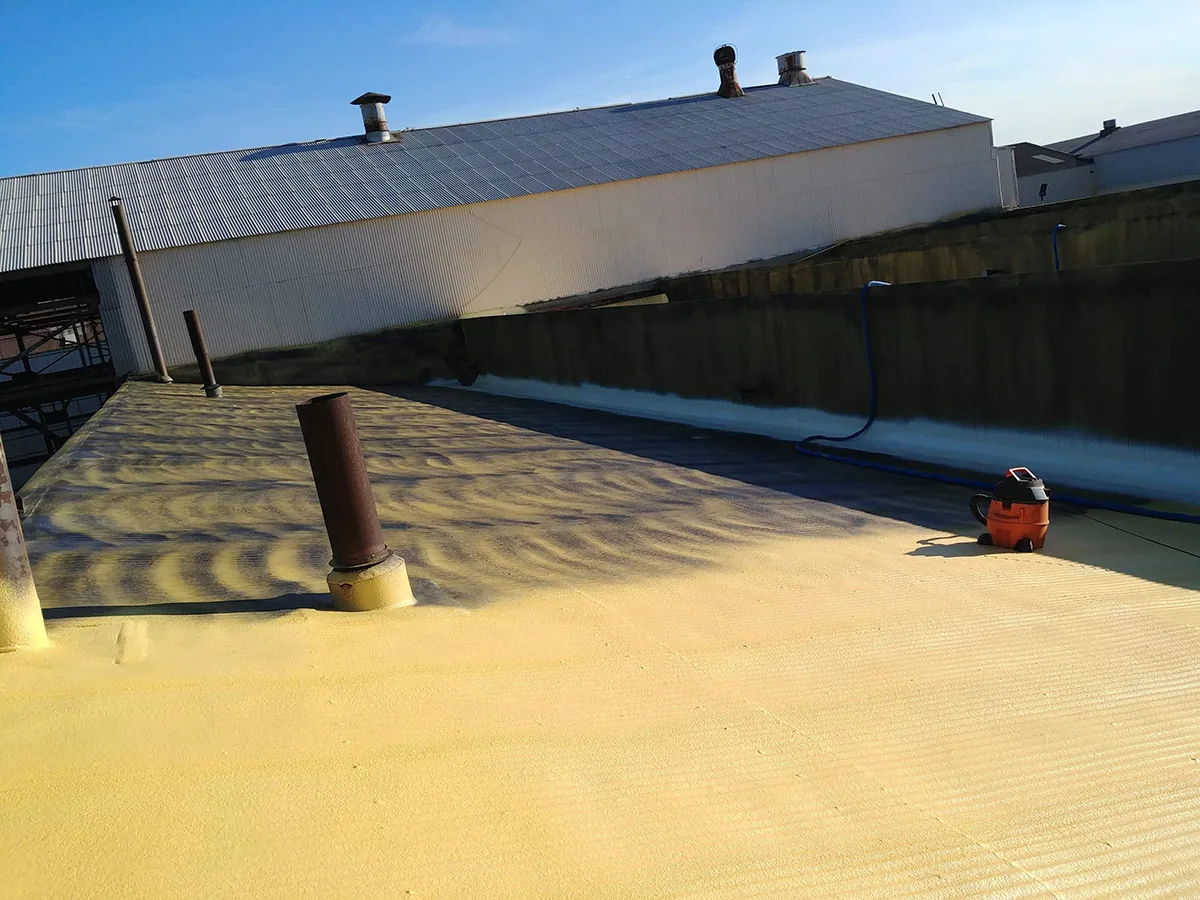
July daily highs at the St. George station reach about 102 degrees and August about 100, and the roof surface itself runs hotter. We schedule the main inspection cycle before the heat peaks, ideally in spring, and a second look in autumn after summer's wear has had its effect. Summer visits are shorter and start at dawn, so that crews can still do careful work. Roof hatches, ladders and fall protection are checked before each climb, because heat tires people and a careless step on a hot surface is a real risk.
Spring is also the time to fix what the heat will punish: loose coping, cracked sealant, open seams and worn flashings. Fall is the time to clear debris before the wetter months. The debris to clear includes grit, dust and loose pieces left behind by other trades. The St. George station sees 9.31 inches in a year, with February the wettest month, so a clean roof in late autumn meets the winter storms with clear drains and sealed details.
How do we keep a group of roofs on one plan?
When an owner has several buildings, the roofs differ in age, system and use. We keep one record per roof, with the sketch, the photos and the repair history, and we roll the findings into a ranked list. That list tells the owner which building needs money first and which can wait another year. Multi-site roof programs set that rhythm for a portfolio, so no roof is forgotten between emergencies.
The consolidated plan places much of the commercial stock after 1980, which is a broad screen and not a roof age for any building. We confirm age and overlay history for each address. Where records are thin, the first-year survey fills them in, and later visits simply add to the file.
Budgeting follows from the same file. A ranked list shows which roofs need repair funds this year, which need a recoat or recover soon and which are heading toward replacement. The owner can spread the cost of larger work across budget periods instead of absorbing it in one surprise. Because each recommendation links to a photo and a note, the conversation with a partner or a finance team stays on the evidence.
What do the reports let an owner prove?
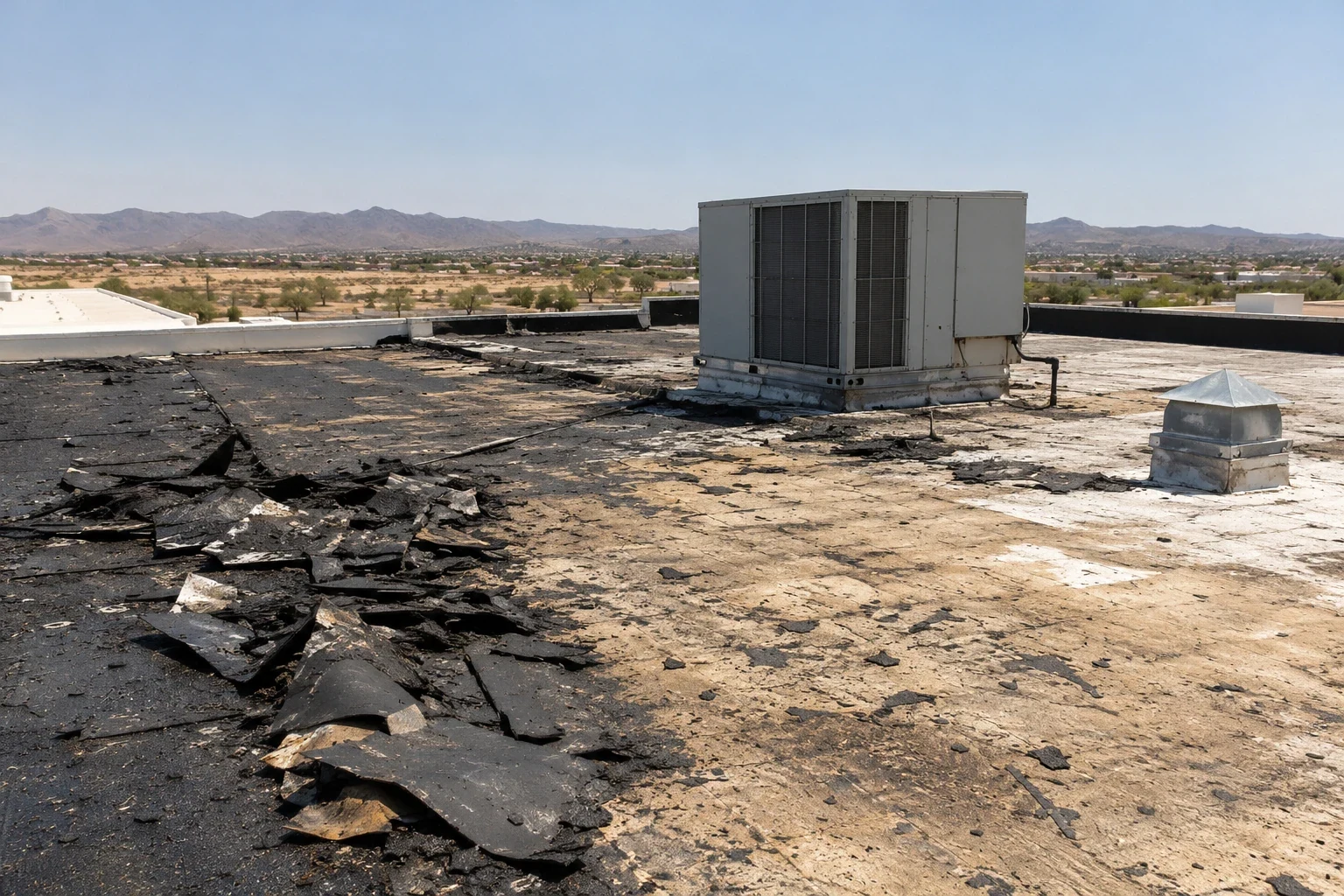
A dated set of photos and notes shows that drains were cleared, seams were checked and repairs were made. That record helps in a warranty discussion, where a manufacturer may ask about maintenance, and it helps in an insurance discussion, where a claim may turn on whether damage was sudden or gradual. It also helps with tenants, who can see that roof care is on a schedule.
Any larger repair or reroof should be checked against the permit-date edition of the 2024 International Building Code as Utah amends it. When maintenance findings point to a bigger job, the roof asset management file is the starting point for a scope. Owners with property in Green Valley or Bloomington can have those roofs added to the same route.
Commercial Roofing Questions
How many visits a year does a roof need?
Two is a common rhythm for a roof in good shape, one before the heat and one after summer. Each visit stays short on a roof in good condition. A roof with known weak spots, or a building where debris collects, may do better with a third visit.
Can maintenance start on an old roof?
Yes. The first visit sets a baseline and flags what needs repair. Maintenance can slow wear on a roof near the end of life, though it does not turn an exhausted system into a new one.
What does a visit cost?
Cost follows the roof size, the number of penetrations and the access. We quote a fixed visit fee after the first walk, with repairs priced separately so the owner approves each item.
Does a drone flight need permission from tenants?
We tell tenants and the manager the date and the area of flight, and we follow the building's access rules. Flights are kept to the roof and its surroundings.
What if we find a problem during a routine visit?
Small items are fixed that day. Larger ones go in the report with photos and a priority. Anything urgent, such as an open seam above a server room or a drain that is fully blocked, is called to the manager before we leave the roof.