
Commercial Roofing in Santa Clara Neighborhood Center, Santa Clara, UT
Santa Clara Neighborhood Center Overview
Where a business sits beside homes, the roof crew's first call is often to the neighbor and not the tenant: what hours, how loud and which side the lift will stand on. Santa Clara's 2025 General Plan places its Neighborhood Center node at Pioneer Parkway and Rachel Drive on the western side of the city. The plan lists average daily traffic of 10,000 at Pioneer Parkway for the node and calls it moderate to high, and it says the intersection is connected to nearby residential and community uses while the lack of direct regional highway access limits demand from farther communities.
That description points to roofs over buildings that serve the immediate area and sit close to houses. A visit starts with the schedule, the neighbors and the access route, then checks what decides where water goes. The NOAA station's July mean daily high of 101.9 degrees puts the start time before sunrise.
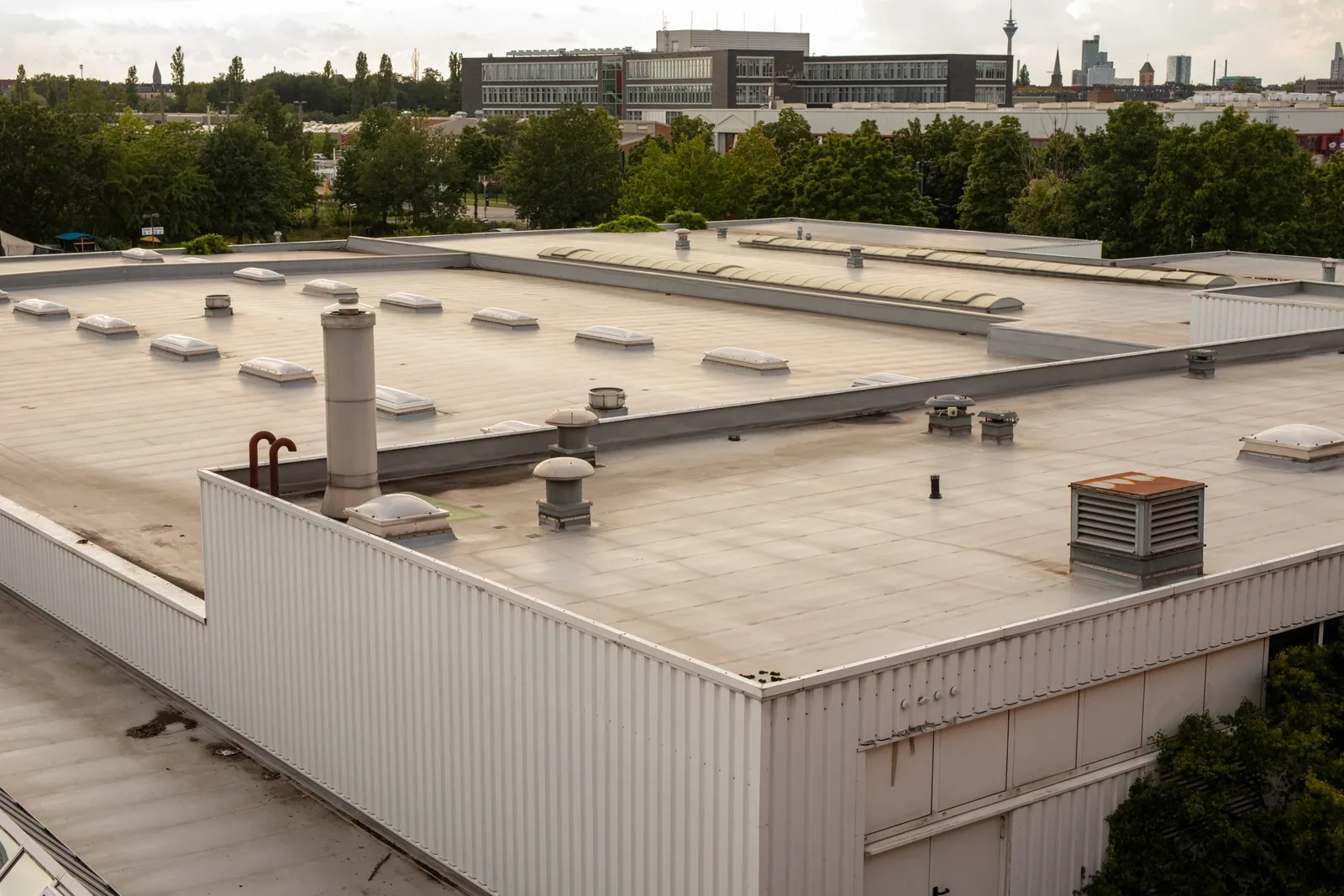
What does a neighborhood-scale site ask of the roof crew?
Courtesy, with consequences. A neighborhood node mixes commercial buildings with the houses and community uses around them, and noise, dust, truck routes and early starts all land on the people next door, with whom the manager has a lasting relationship that a roofer should not strain. We ask the manager which neighbors are closest, which hours they will accept and where trucks can stop without blocking a residential street.
The roof itself is usually modest: smaller footprints, fewer units, shared walls in some cases, simpler drainage. Smaller does not mean simpler to diagnose. One drain or one flashing may carry the whole roof, and a single failed detail wets everything below. The plan says the node serves nearby residents. It does not say what any building contains or how old its roof is, so each roof is confirmed on site, and the asset manager receives a short record with photographs and a plan.
Traffic that is steady but not heavy suggests daytime use by people who live close by, which makes the early hours the best working window, ahead of the first customers. A business with evening hours has the whole morning open. We tailor the schedule to the real hours and not to an assumed pattern.
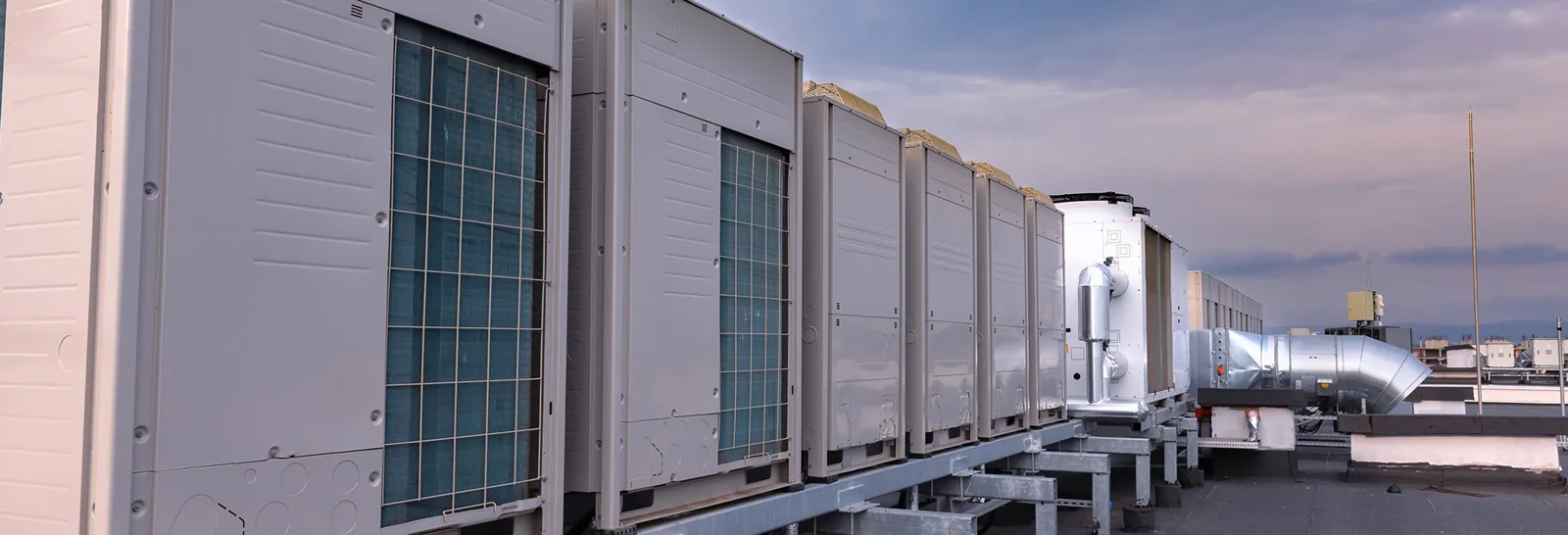
Screening of rooftop equipment can matter here as well. A unit facing a back fence and a unit facing a living-room window raise different complaints, so where a unit is being replaced the position, the curb height and any screen are settled before it is lifted. The same goes for signs, lights and antennas that mount to the roof: each is a hole that someone flashes and owns, and the record names who installed it so a later repair does not turn into a dispute.
How do heat and neighbors set the hours?
A start at dawn suits the crew, the roof and often the neighborhood, as long as the neighbors have been told. The NOAA normals for St. George are a regional record, not a reading at a building, but they argue for an early shift. We agree a start time with the manager and give adjacent properties a heads-up the evening before.
On a small roof a repair can often be finished in a single early shift, noisy part first and cleanup later. Bigger projects are staged so each section is dried in before the shift ends. Trucks, dumpsters and lifts stay on the commercial lot and off the residential street, and start and stop times are recorded each day, so if a neighbor calls, the manager can answer with times, work area and a crew contact. The decision for the manager is which days to authorize, and we offer two or three options with tradeoffs.

Which details fail first on a small commercial roof?
The places where the membrane stops. On a small roof the details are the roof: parapets, curbs, penetrations and the drain. Sealant at copings and wall bases dries in desert sun and splits, and flashing that has shrunk from a wall leaves a gap that is easy to miss from the ground.
- Parapet caps, coping joints and wall flashings
- Rooftop unit curbs and exhaust boots
- The single drain or scupper and its overflow
- Seams and laps near walls and corners
- Gutters and downspouts that discharge near walkways
Edge metal, coping and gutter work restores the perimeter of a small building, and drain and scupper work keeps its only outlet open.
What counts as evidence on a small roof?
A few readings and one core, usually. The station normals give 9.31 inches of precipitation a year, so stains may date from storms months apart, and we ask the manager for dates and set them beside the stain pattern. A moisture meter often settles whether insulation is wet, and a small core confirms it. An infrared survey pays on bigger roofs and may not here.
Observed and tested conditions stay separate in the record, along with the open questions. If the evidence stops short of the entry point, the record says so and names the next test. At 1.2 inches a year, snowfall hardly matters at the St. George station, and no one should assume the same for a building on higher ground.
Where should the repair stop?
At sound, dry material. On a small roof that line can sit close to the edges, so the repair-or-replace question arrives sooner. A repair is right when damage is local and the rest of the roof is sound. A replacement is right when insulation is wet across the roof or repairs recur.
The gap in cost between a large repair and a replacement can be modest on a small roof, and a replacement brings new insulation and flashing, so we price both. The town and the permit date decide which code edition applies, and the statewide energy path begins July 1, 2026, so the answer is sought before a reroof is priced.
Whichever route the owner picks, the record states what was left open and which neighbor, tenant or manager was told.
What should the owner decide next?
Whether to repair, restore or replace, and when. A neighborhood building often has a stable tenant base, which favors a durable roof, and the owner can plan around lease dates. The record gives condition, moisture findings, cost drivers and the open questions.
Properties at the Santa Clara Gateway or in downtown Hurricane can be added to the same record. Send the address, roof records, access rules and the hours neighbors will accept, and the first visit takes up one defined repair or capital question.
Because neighbors see the roof crew before they see the finished roof, the closeout includes a final walk of the lot and the street edge, with debris, nails and screws swept up and photographed.
Commercial Roofing Questions
Do you notify the neighbors?
We agree with the manager on who is told and when, and we keep trucks and lifts on the commercial lot.
Can a small roof be done in one visit?
Often. Size, layers and weather decide, and the dry-in is planned first so the building is closed at the end of the shift.
Why does one failed detail matter so much?
One drain or one flashing carries the whole roof, so a small defect wets the whole space below.
Does the node plan tell you the roof type?
No. We identify the system, age and equipment at each building.
Does the town set the code edition?
The town confirms which edition the permit date triggers, and we ask before we price.