
Wind Damage Roof Repair in St. George, UT
Wind Damage Roof Repair Overview
A coping cap lying in the parking lot tells an asset manager the roof has already lost something, and the question for the day is how much more it can lose before a crew arrives. Wind damage on a commercial roof starts at the perimeter and at anything standing above the surface, so the first walk goes to the edge metal, the parapet flashing, the rooftop unit curbs and any membrane that has fluttered loose. In St. George, UT, the station normals put July daily highs near 102 degrees, so a repair that cannot be finished in the cool hours is sealed in a temporary state and finished later.
We separate three things on every visit: what is open to water now, what is loose and still holding, and what shows wear that the wind only exposed. Each gets its own line in the scope, with photographs, so the owner can approve emergency protection today and the permanent repair when the budget and the material are ready.
Where does wind damage begin on a low-slope roof?
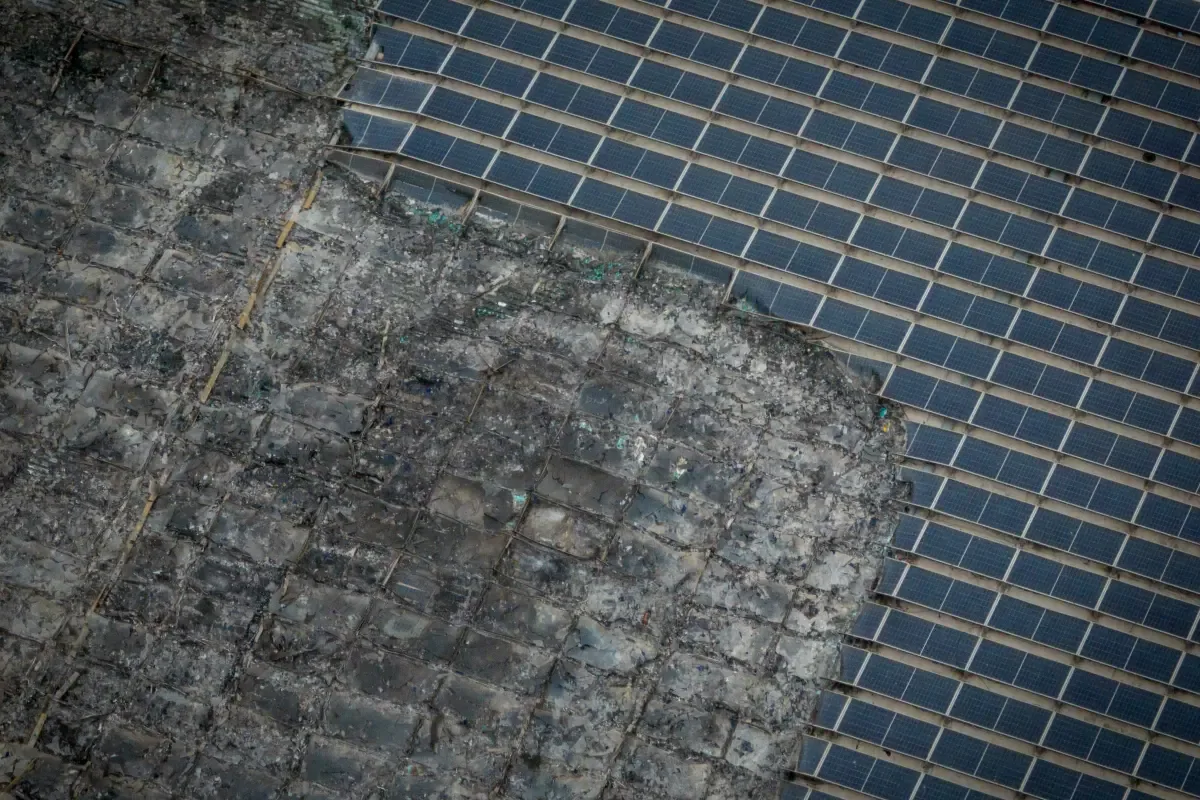
Air moving across a roof creates suction, and the suction is strongest at corners, edges and the top of parapets. That is why the early signs are bent coping, lifted edge metal, a membrane fold along the perimeter and fasteners backing out of the nailer. Inside the field of the roof, a fully adhered membrane may balloon and separate from the substrate, while a mechanically attached sheet can flutter at the fastener rows and tear around the plates.
We check edge metal, coping and gutters first, because a loose cap exposes the membrane termination behind it. Then we walk the seams and the flashing at rooftop units, since a gust can pry up a counterflashing that was already tired. Roofs on open ground along the St. George Boulevard corridor or at the edge of an industrial park have less shelter than those among taller buildings, but each roof is read by what the damage shows.
What gets done in the first hours?
The first job is to keep water out and keep loose material from becoming a hazard. We remove or secure displaced metal, fasten lifted membrane edges temporarily, cover open areas and clear debris from drains. Anything that could fall on a walkway or a parking area is made safe before the crew leaves. Emergency roof repair is available around the clock, holidays included, since a wind event does not respect the schedule of the building below it.
Temporary work is recorded with a photograph and a location mark. The record states what was done, what it holds against, and what remains open. Heat shapes the method: adhesives and sealants set differently on a hot surface, and a temporary repair applied at midday may need to be checked the next morning. We plan the return visit before we leave.
How do you tell wind damage from age?
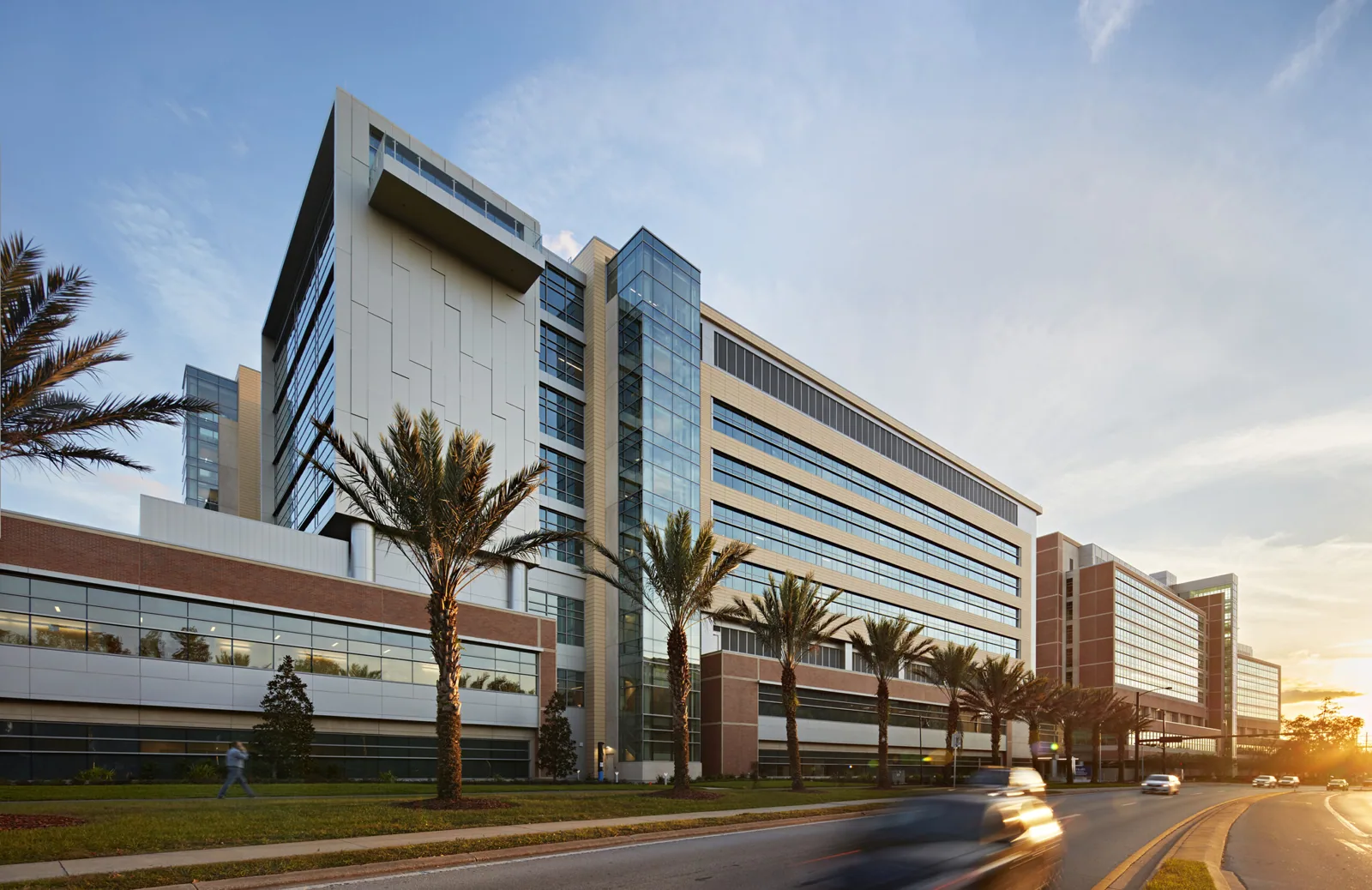
The pattern is the evidence. Damage from one event usually follows a direction and starts where uplift is highest, while age shows up as general brittleness, shrinkage, cracking of sealant and fastener corrosion across the roof. A torn seam beside a clean, flexible membrane suggests an event; a seam that opens along its whole length on a chalky surface suggests wear. When the two overlap, the record says so, and the carrier or an engineer decides how to treat it.
Moisture adds to the picture. If wind peeled a corner and rain followed, insulation near the opening may be wet, and an infrared moisture survey can map it without cutting the roof. Photographs, measurements and a sketch of damaged areas go into the file, which also serves the owner who needs roof insurance claim assistance to present the loss in an organized way.
Can the roof be repaired, or does securement need to be redone?
A repair fits when the damage is confined: a replaced coping run, a reattached membrane edge, new flashing at a curb. When the attachment itself failed across a broad area, such as fasteners pulling through a deck or an adhesive bond giving way, patching the surface does not restore the resistance to uplift. Then the question moves to the securement pattern and to whether a commercial roof repair or a larger scope is the sounder path.
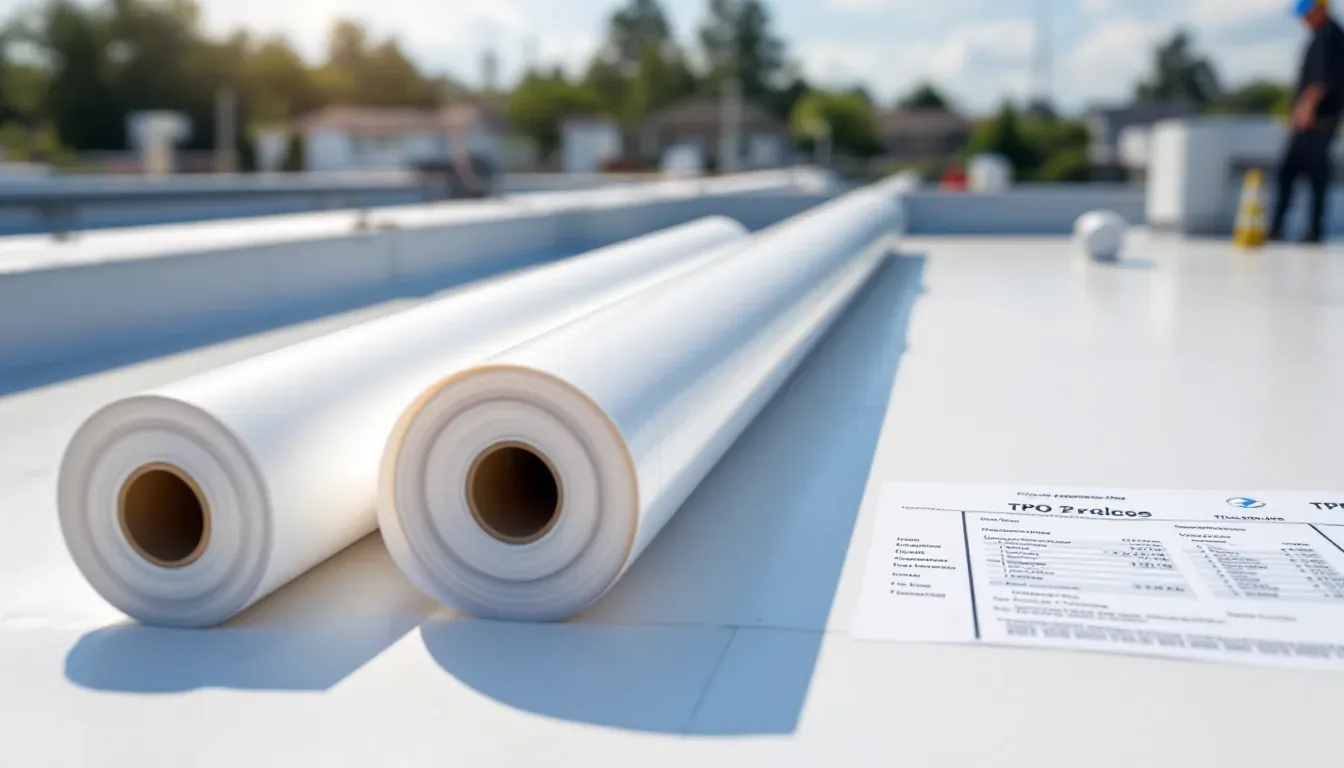
Edge zones often get closer fastening in a replacement, and heavier edge metal, because that is where the forces concentrate. We explain what the repair restores and what it does not, so the owner can weigh a limited fix against a perimeter upgrade. If the system is a single-ply membrane, the TPO roofing seam and attachment details decide which materials are used for the repair.
What changes if the roof is replaced?
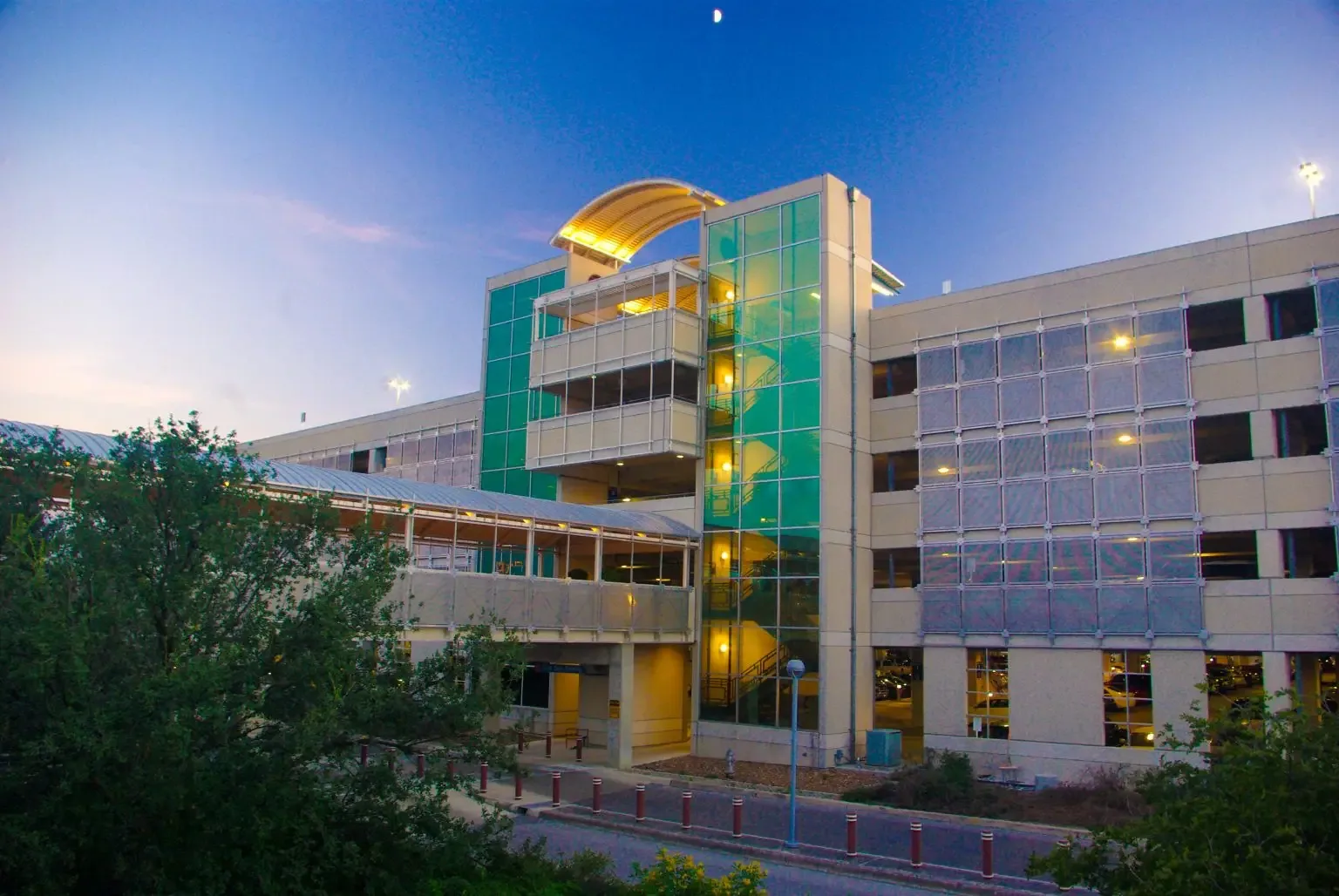
A replacement after wind damage is designed to current requirements for the permit date. A wind-driven reroof is permitted under the 2024 International Building Code as the state applies it, and energy-code enforcement starting July 1, 2026 can change insulation and edge details from what the original roof had. The design professional decides wind design criteria for the project; we raise the questions and price the scope the design requires.
Cost drivers are tear-off layers, insulation depth, perimeter metal, and equipment that must be lifted. A building in an industrial area such as Fort Pierce Industrial Park, which the Utah National Guard's plan describes as largely M-1 for warehousing, light manufacturing and similar uses, may have large edges and many penetrations, but its roof assembly is established on the roof. Phasing the work by roof area lets the owner keep the building running while the perimeter is rebuilt.
What should the owner send after a wind event?
Send the address, the date of the event, photographs of anything on the ground, any roof drawings or warranty documents, and the person who controls roof access. If tenants report water, send their room or suite locations. Mention whether a manufacturer warranty exists, because the warranty may require its own notice or an approved repair method. If the building sits in Hurricane or Washington City, each town licenses contractors on its own terms, so we confirm that step on the first call so a permit question does not delay the temporary protection.
We return a temporary protection plan and a written record of what we see. For a portfolio owner, the same format can be used for other buildings that were exposed to the same event, and for insurance and restoration coordination, the file is already organized by roof section. The first visit ends with a list of open questions rather than a conclusion drawn from the ground.
Commercial Roofing Questions
Is a loose coping cap an emergency?
Yes, if it can fall or if it exposes the membrane edge to water. We secure or remove it the same day and record where it came from.
Will insurance cover wind damage?
That is the carrier's decision under the policy. We document the damage and the scope so the claim can be reviewed with clear evidence.
Can wind lift a roof that looks sound?
Yes. Attachment can be compromised without visible tears, and ballooning or loose fasteners may show only on a walk. We check them during the inspection.
Should we repair the edge or replace the roof?
That follows the extent of attachment failure and moisture. If the damage is confined and the rest is sound, edge repair is reasonable; broad failure points toward replacement.
How soon should the roof be inspected after a high-wind day?
As soon as it is safe. Early photographs capture displaced material before it is moved, and a quick check prevents rain from entering the opened area.