
Roofing for Cities, Counties and Public Agencies in St. George, UT
Cities, Counties and Public Agencies Overview
A public building rarely gets a roof on the first request. A facilities manager at a city hall, library, public works yard or recreation building usually starts with a leak report, a budget cycle that has already closed and a procurement process that requires documents before anyone can climb the ladder. In St. George, UT, those buildings also sit in a July whose NOAA daily-high normal is 101.9 degrees, which wears sealants and seams on a schedule that does not follow the budget year.
Our first job with an agency is to produce the record that procurement needs: a roof condition report with photographs, a repair scope separate from any capital recommendation, and a clear statement of what remains unknown. With that in hand the agency can request funds, write a solicitation or authorize an emergency repair on firm ground.
Which jurisdictions share the same roofing market?
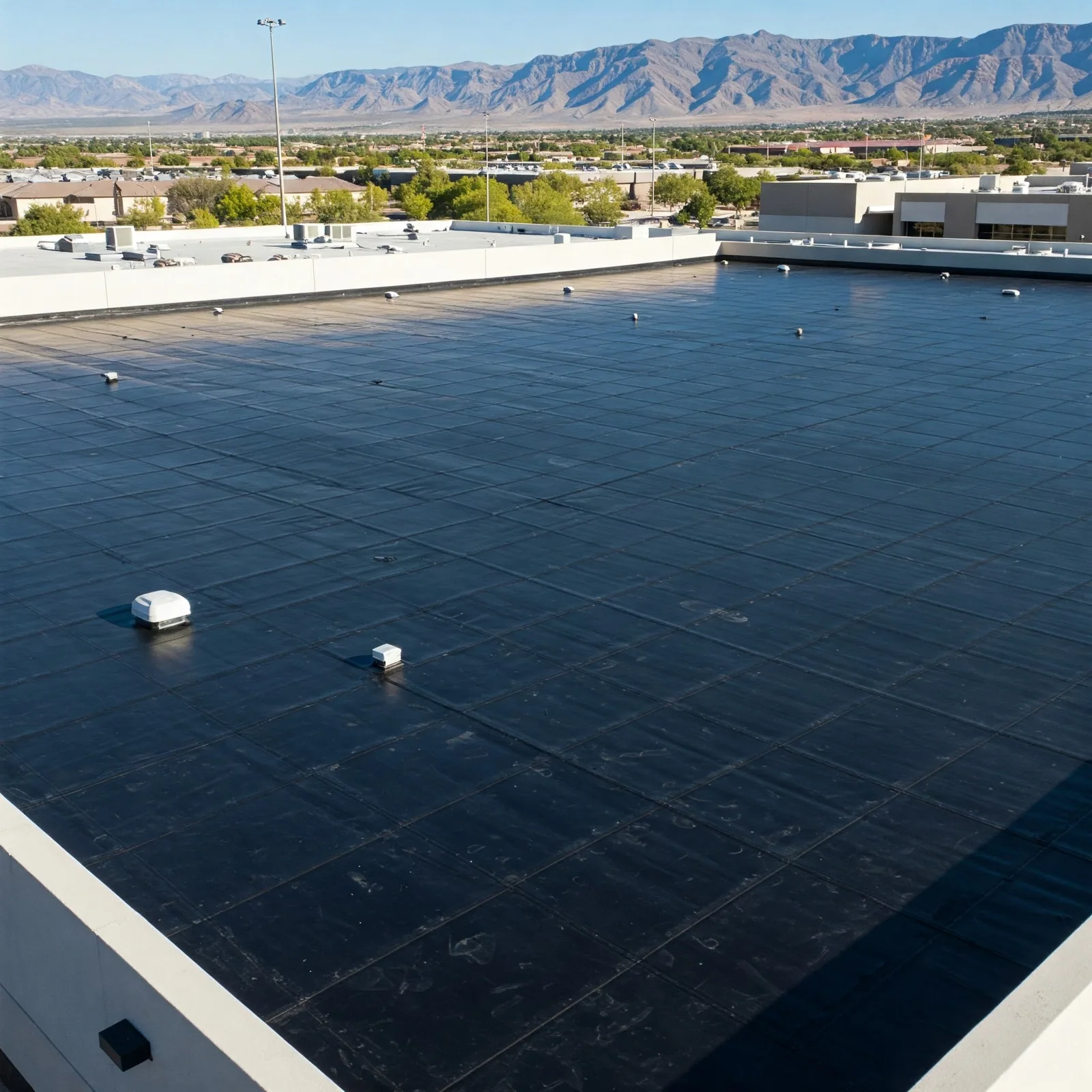
A public roof in this region can sit in St. George, Washington City, Hurricane, La Verkin, Toquerville or an unincorporated community, and Washington County lists several of those as cities or towns with their own licensing divisions. A contractor has to confirm the local licensing and permit steps for each, which can change lead time for a project that looks identical on paper.
Regional bodies also matter for planning. Washington County Economic Development lists business attraction, retention and expansion among its roles, working with county and regional partners, and a separate five-county Southern Utah Economic Alliance coordinates at a wider scale. For roofing, the lesson is practical: contractor coverage crosses municipal lines, but each agency keeps its own rules, so the roof record and the contract documents must name the right jurisdiction at the start.
Can a public building stay open during repairs?
Most can, with planning. A library or a recreation center has public hours, a records building has staff and storage, and a public works facility may have equipment that has to stay available. We ask the agency which areas must remain open, which can close for a day and where the public enters, then we set staging, fencing and delivery times to match.
Public sites also have visible neighbors, so noise and traffic on a main street matter. A building on St. George Boulevard or River Road, both named on the county's arterial map, gets deliveries on a street other drivers use, and we schedule trucks and lifts outside the busiest hours. Occupied-building reroofing keeps staff and visitors moving around the work, with zone-by-zone dry-in so a storm does not catch an open roof.
What does an agency roof walk record?
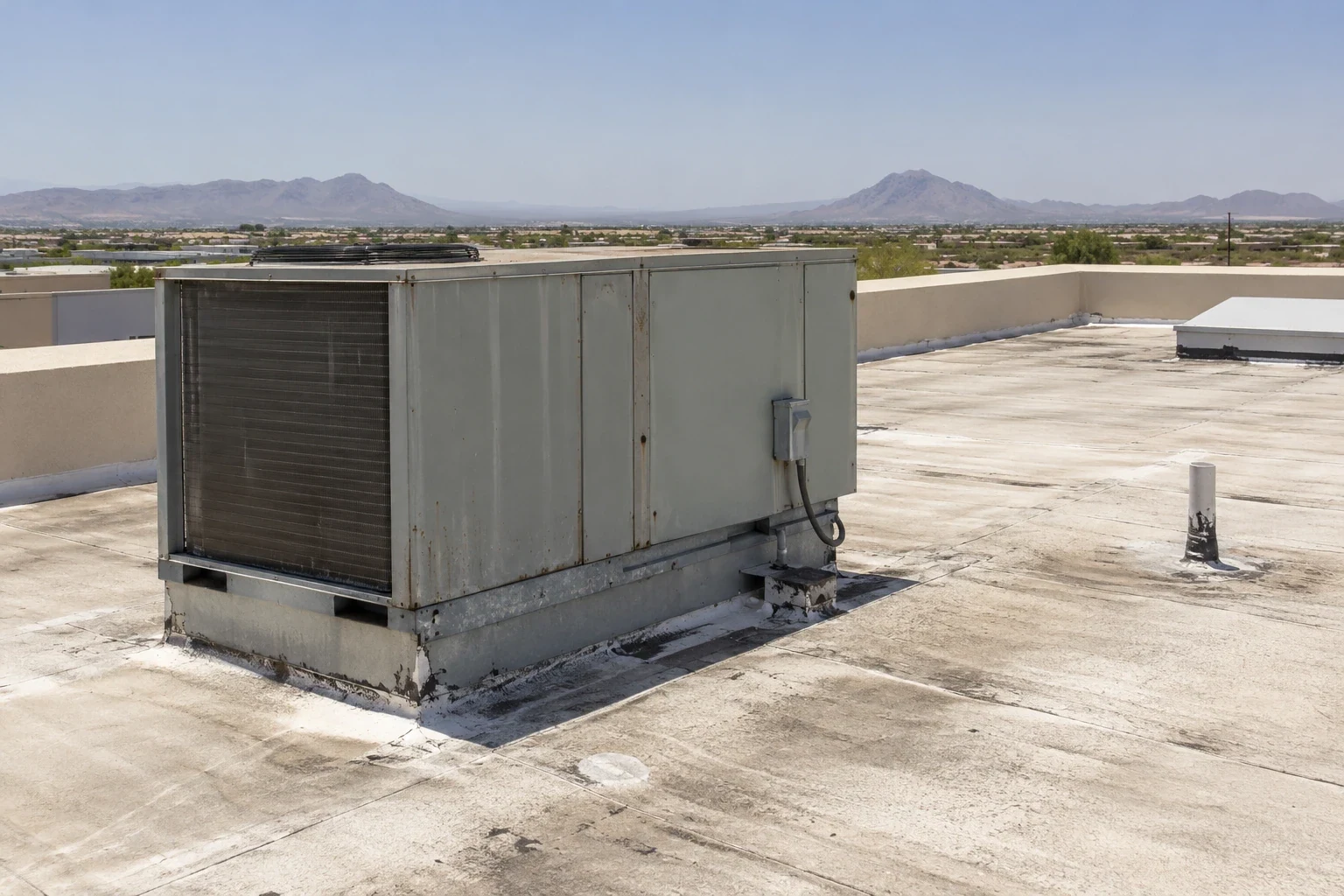
Agency buildings tend to be varied: administration offices, fire stations, vehicle bays, community halls, storage and maintenance sheds. We walk each roof and record membrane type where readable, drainage, seams, flashing, penetrations, rooftop equipment, edge metal and any area where insulation may hold moisture. Photographs and measurements are tied to each roof section.
The consolidated plan says much of the commercial and residential stock dates from 1980 forward, which gives a rough sense of the age mix. It does not give the age of an agency's roof, so we look for patched areas, overlays and mismatched materials on the surface. An infrared moisture survey or a drone roof inspection can be added when a roof is large, steep or hard to reach safely, and the agency can decide whether the extra data is worth the cost. A public roof also carries a records duty: the photographs, the measurements and the repair log should be kept in a form that a successor in the facilities office can find and read without the person who made them.
What separates an emergency repair from a planned project?
An emergency repair stops water entry and protects the interior. It is limited by design: a temporary patch, a tarp or a flashing fix that holds until the permanent scope is approved. A planned project follows a defined scope, an estimate, procurement steps and an approved schedule. Mixing the two can make a patch look like a permanent solution or a small leak look like a replacement.
We write the two as separate items. Emergency roof repair is available around the clock, and the record created that day, with photographs and the location of the opening, becomes part of the file for the planned scope. If the agency has a standing contract or emergency purchasing authority, we work within it, and the agency tells us what documents it needs to pay the invoice.
How does the roof plan support a public budget request?
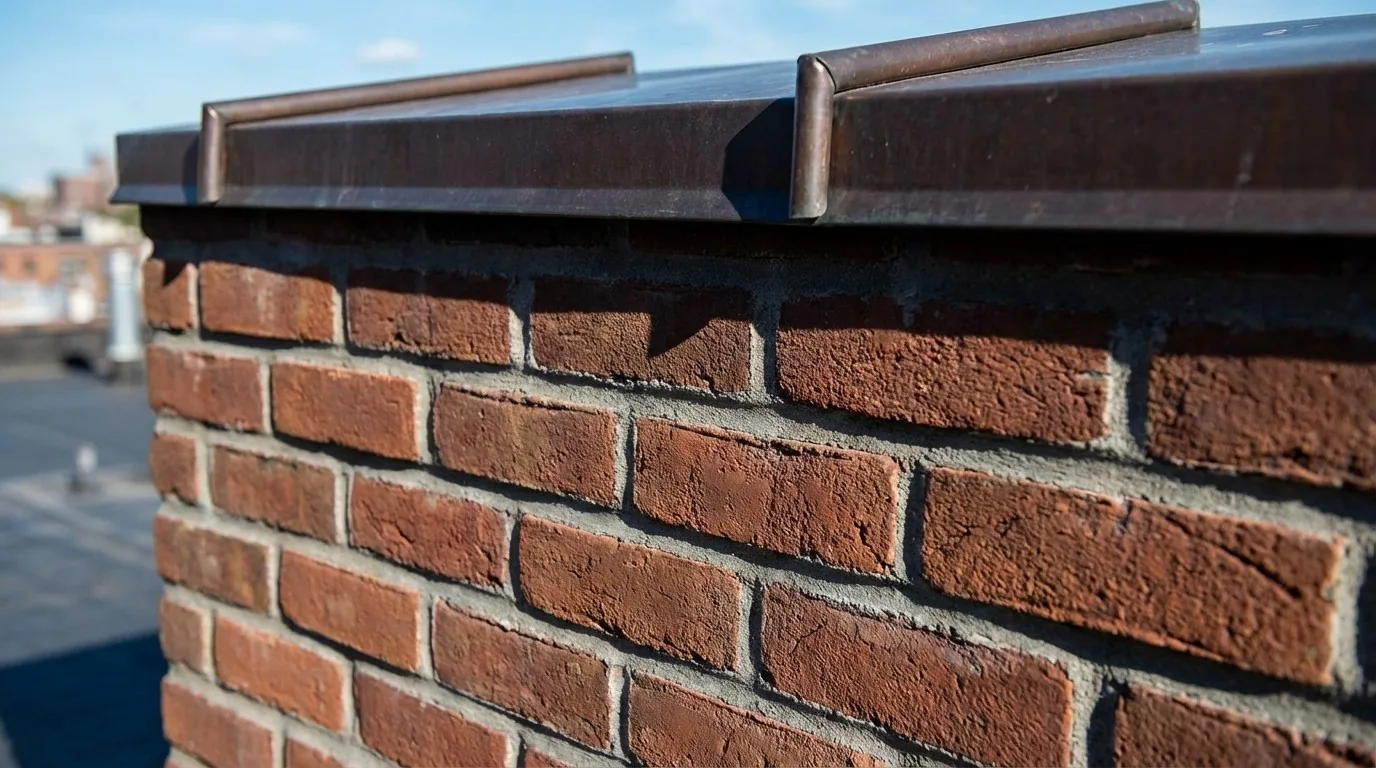
A budget request has to be defensible in a public meeting. We supply a ranked list of roofs, the evidence behind each rank, the options for each and the cost drivers in plain language: tear-off layers, insulation, equipment lifts, access limits and any code upgrade the scope triggers. The base code is the 2024 International Building Code, and energy-code requirements (2024 IECC, ASHRAE 90.1-2022) become mandatory statewide on July 1, 2026, so the permit date can change what a replacement must include.
With a roof capital plan in hand, a staff member can show the governing body which roofs need action this year, which can wait and what the cost of waiting looks like in damage terms. Agencies with many buildings can use a multi-site roof program to keep the inspection format uniform across departments. Where a new building or addition is delivered through a general contractor, the roof submittals, the warranty documents and the closeout photographs should be requested in the contract so the facilities office receives them on handover instead of searching for them years later when a leak appears.
What should the agency send first?
Send the building list, department contacts, existing roof drawings or warranty documents, leak work orders, the procurement rules that apply and the next budget deadline. Tell us which sites are open to the public and which have security rules for contractors, such as background checks, key control or restricted hours, so the crew list and the schedule account for them from the first visit.
Facilities near the Washington City Historic Downtown commercial area along Telegraph Road, where the city plans for a pedestrian-oriented mixed-use downtown, carry different access and visibility needs from a maintenance yard. An agency that runs school buildings keeps them on the same list as a school district would, and a Guard armory brings the escort and badging questions of military installation roofing.
Commercial Roofing Questions
Do you provide documents for a public solicitation?
We supply the condition record, a written scope, photographs and cost drivers. The agency writes the solicitation and sets its own procurement terms.
Can you repair a roof under a state or county contract?
Only if the agency's procurement path allows it. We work through whatever authority the agency holds, and we confirm the documents needed to invoice before work begins.
What if a leak affects public records or equipment?
We protect the interior area first, with the agency's staff moving items if safe. The permanent repair follows once the roof is dry enough to assess.
How is a repair different from a deferred maintenance list?
A repair fixes a defined defect. A deferred maintenance list collects smaller items, such as sealant and drain cleaning, that the agency can schedule together at lower cost per visit.
How do you handle a roof in a town with its own licensing division?
We confirm that town's licensing and permit steps before scheduling a crew, and we tell the agency about any lead time those steps add.