
Roofing for Retail and Restaurant Chains in St. George, UT
Retail and Restaurant Chains Overview
A store that closes for a roof leak loses its busiest hours, so the work window for a retail or restaurant brand is measured in nights and early mornings. In St. George, UT, those hours are also the coolest part of the day, which suits the work: the station's July daily high averages 101.9 degrees and August comes in under 100, and membrane work is easier on a crew and the material before the surface warms. A multi-location brand wants the same result at every address, with a clear record that a regional manager can read.
We begin with a commercial roof inspection at each St. George location and record the roof in a format the brand can reuse in other markets, so a leak at one store does not become a one-off conversation with a landlord, a corporate facilities team and a franchisee all at once.
Where do chain locations sit in the St. George market?
Along Buena Vista Boulevard between Main Street and Green Spring Drive, Washington City reports a blend of retail, food service, medical, professional office and lodging, and the road now has five lanes. The City of St. George's analysis, using a dated baseline, lists retail and food services among its larger employment sectors. Santa Clara's general plan places its Gateway business site at Santa Clara Drive and Canyon View Drive, with the highest traffic of its four planned sites.
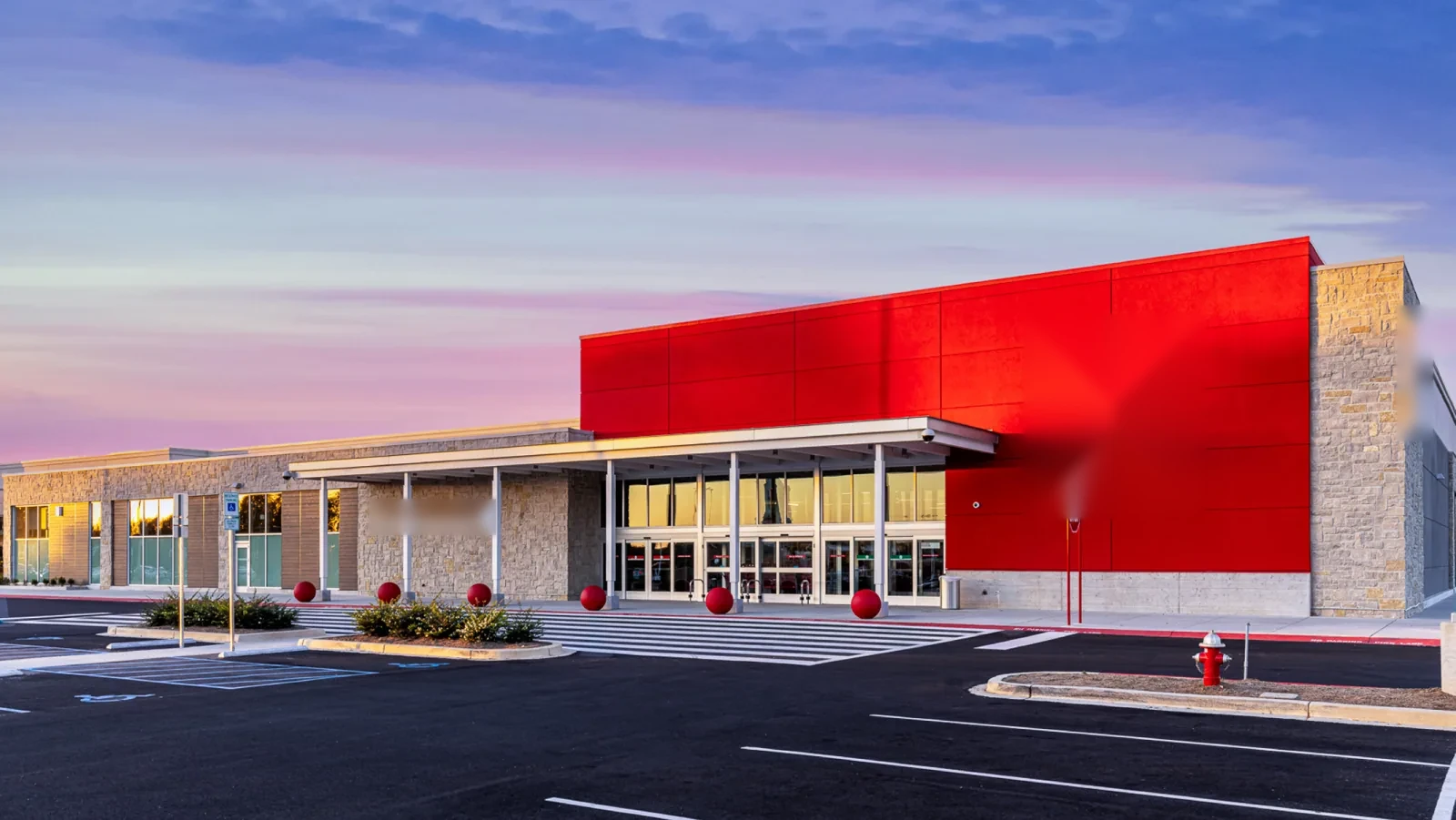
For a brand, those are areas where local plans put commercial activity, and a store there may sit in a strip center, on a pad site or in a freestanding box, each with a different roof. A Buena Vista corridor store may be a pad site with a small membrane roof, while a big box retail roof has deeper drainage and heavier equipment. We read each location separately and group visits by area.
What does a restaurant roof carry that a store roof does not?
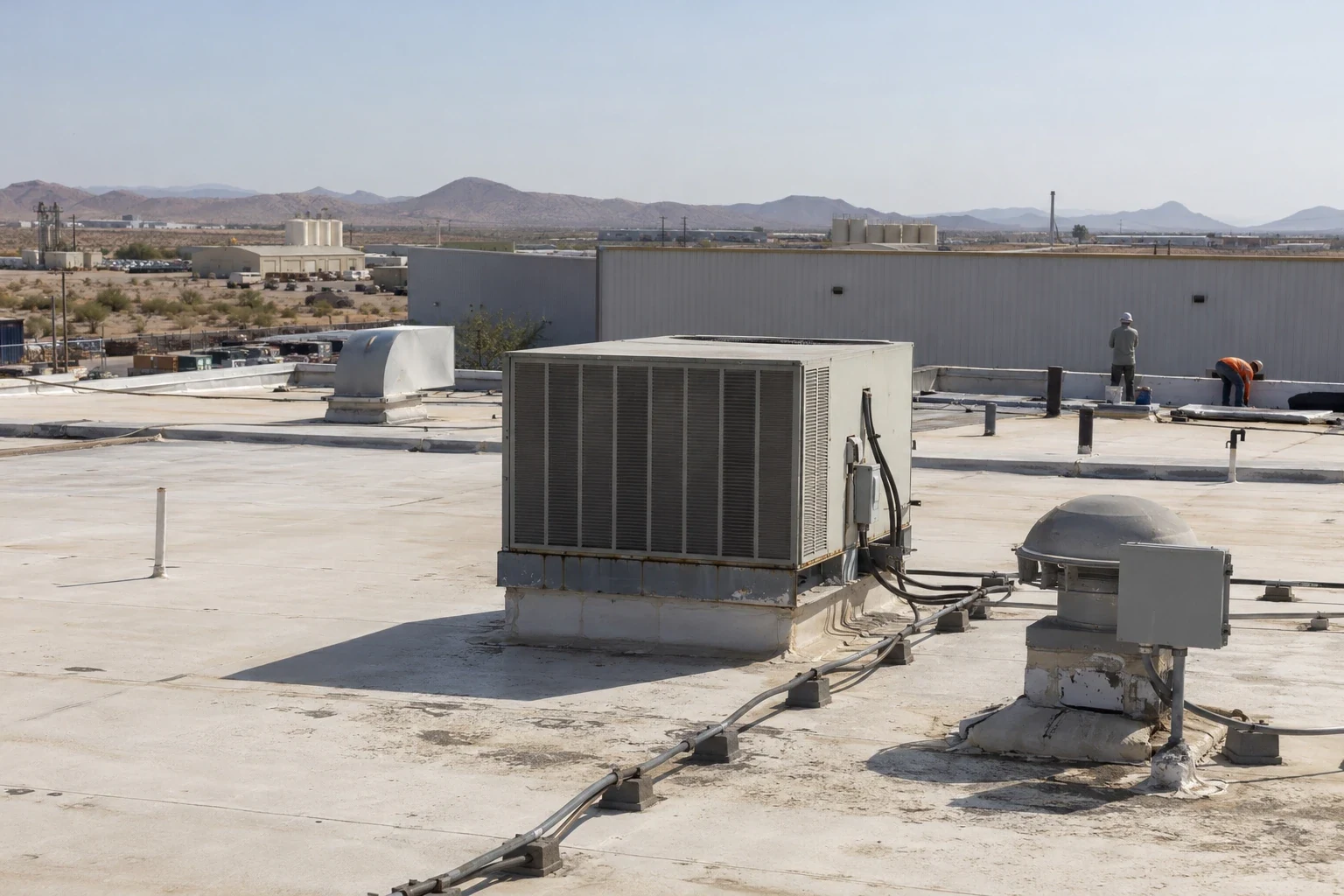
Kitchen exhaust is the main difference. Grease from a hood discharge settles on the membrane near the fan, softens some materials and collects debris. Walking paths from the hatch to the equipment wear the surface, and walk pads, grease containment and curb height deserve attention. Refrigeration condensers and makeup air units add penetrations and weight, and condensate lines can leave staining that looks like a leak.
We inspect the area around exhaust fans first, then the curbs, drains and flashing. Restaurant roofing often calls for a membrane that tolerates grease, and the choice affects both repair material and future maintenance. If the roof is leased, the lease may assign the exhaust area to the tenant and the field of the roof to the landlord, so the report separates the two locations to help each party act on its own part.
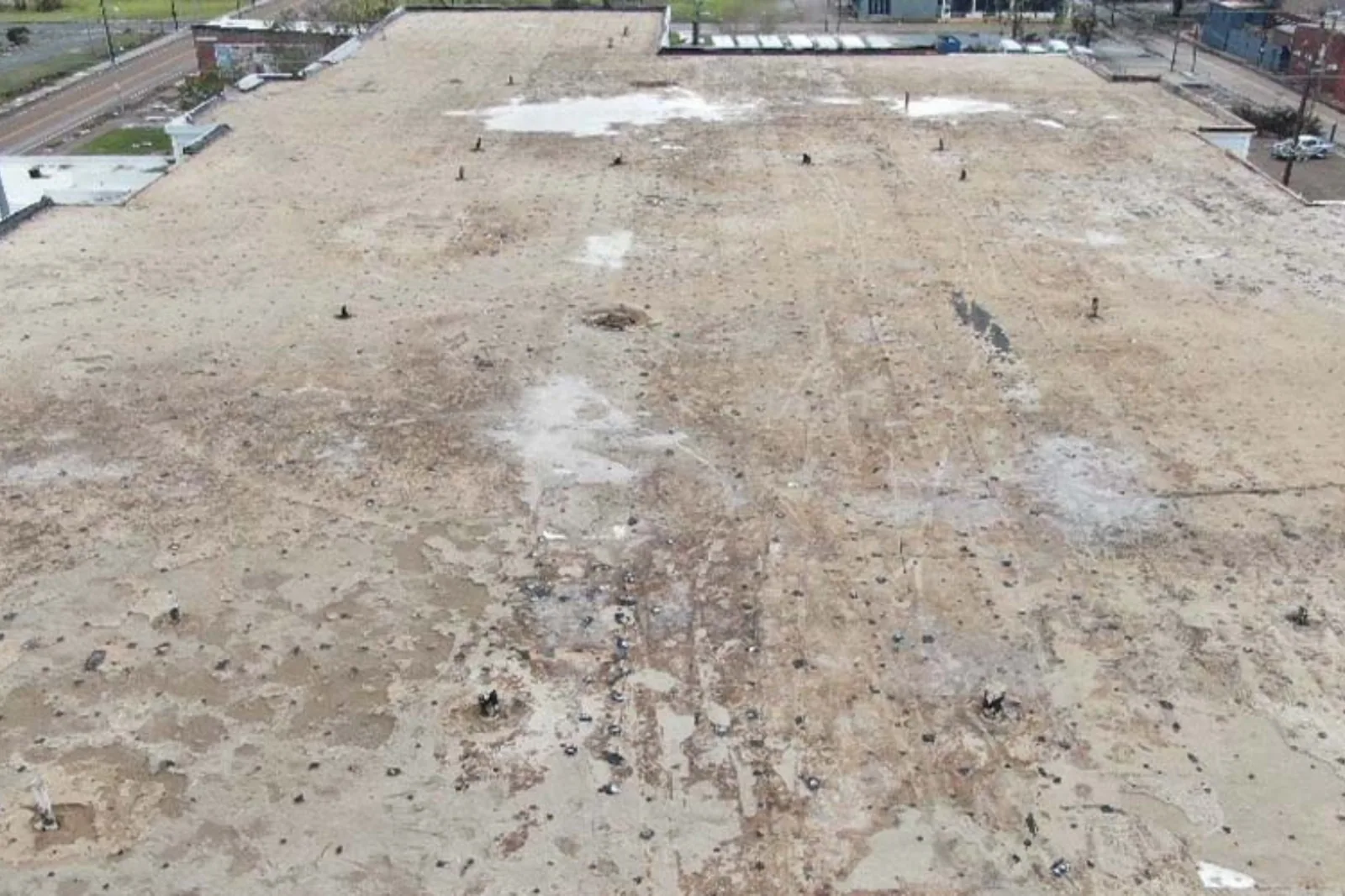
Water behavior is the other half of the inspection. St. George receives 9.31 inches of precipitation in a normal year by the station record, with February the wettest month, so drains can sit untested for long stretches and then face a strong storm. We look for debris at scuppers, low spots where water stands after a rain and seams that show dirt rings from earlier ponding. A pad site with one small drain has little margin if that drain clogs, and a store with a front parapet can hold water against the wall flashing.
Can a store stay open while the roof is repaired?
Many can. A small repair on a pad site often needs a few hours and a lift, with the crew starting before opening and finishing before the lunch rush. A larger scope is divided by roof area, with each section dried in at the end of the shift, and the store manager approves the interior protection over sales floor, kitchens and storage.
Deliveries need their own plan. Customer parking, loading access and fire lanes shape where a lift or material pallet can stand, and a shopping center landlord may restrict hours or require insurance certificates before a crew arrives. Occupied-building reroofing covers the coordination, and we ask for the landlord's rules and the center manager's contact at the start so a tenant does not hear about a lift in front of its door from a customer.
How should a chain split repair responsibility with a landlord?
Lease language decides who pays, and we do not interpret it. What we supply is the evidence. A leak over a tenant's space may come from the landlord's roof field, from the tenant's rooftop unit or from a shared flashing, and each has a different owner. The report names the location of the entry, the equipment or roof element involved and the repair performed.
That record helps a brand ask a landlord for action with facts in hand. It also helps the landlord defend a repair that was the tenant's responsibility. For emergencies, emergency roof repair stops water entry at any hour, and the permanent repair is scheduled once the responsible party approves the scope. A temporary patch is labeled as temporary, with its location and the next step. The next step has an owner and a date range, so the patch is not forgotten until the next storm reminds the store manager that it is still there.
What goes into a multi-store roof plan?
A brand with locations in several towns needs a plan that crosses jurisdictions. Washington City, Hurricane, La Verkin and Toquerville each have their own licensing divisions according to the county, so a crew may need separate licensing and permit steps in each town. We confirm those before scheduling and report any lead time that results.
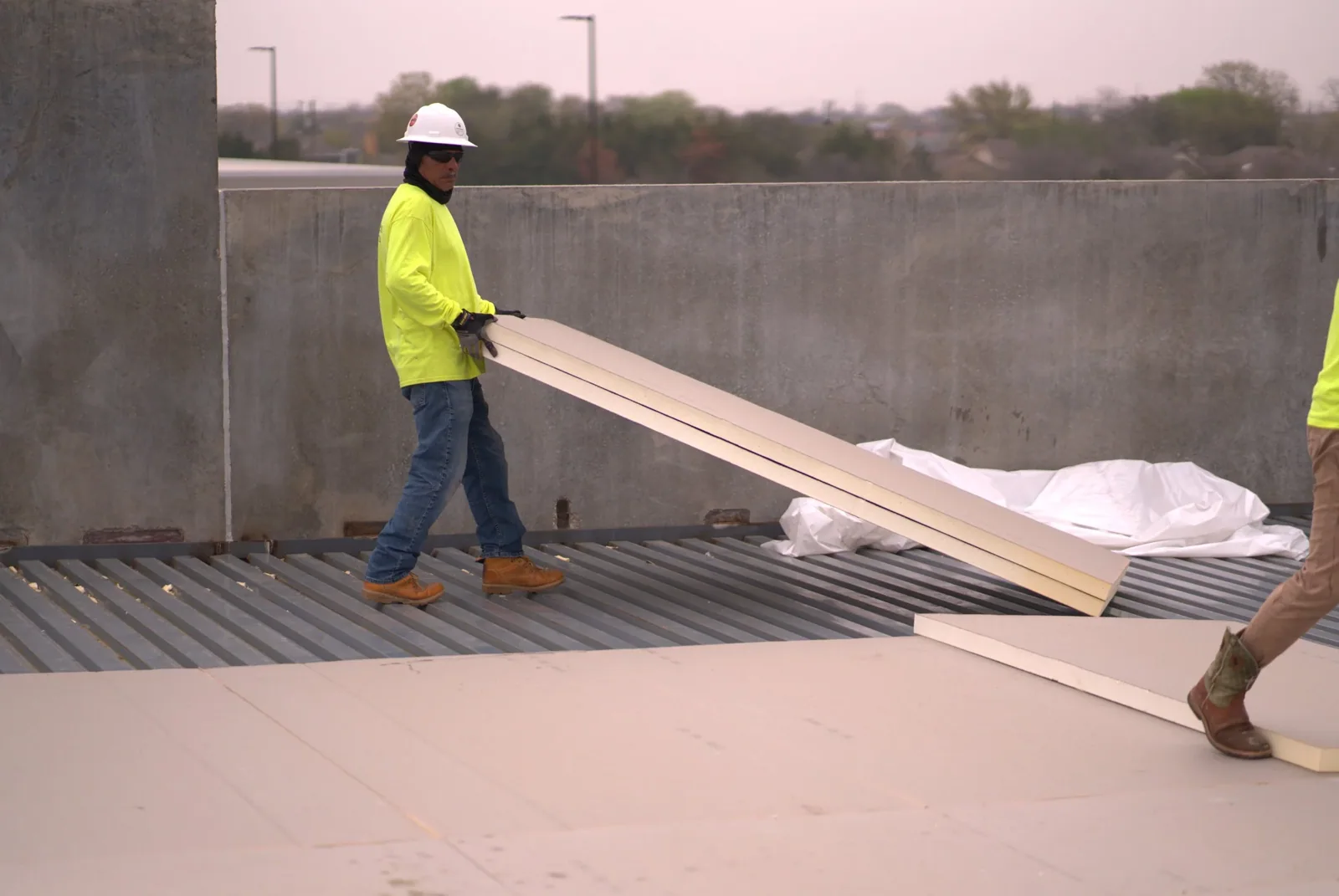
A multi-site roof program pulls the roofs into one inspection format with ranked actions, and the cost drivers are explained for each location: access, equipment lifts, tear-off layers and trading-hour limits. The state base code is the 2024 International Building Code, and statewide energy-code enforcement (2024 IECC) starts on July 1, 2026, so a replacement at a store may bring insulation questions that the plan flags for the design professional.
What should the facilities team send first?
Send the St. George location list, the lease type at each site, landlord and center manager contacts, trading hours, any roof drawings or warranties and the leak history by store. For restaurants, add the exhaust and refrigeration equipment layout.
A brand that leases from an investor or a property management company can share the roof record with them directly, and a group that also operates lodging can put its hotel roofs on the same list. We return an inspection order sorted by area, with the first open questions for each roof.
Commercial Roofing Questions
Will the store need to close for a repair?
Usually not. Most repairs happen outside trading hours or in a roped-off area, and the manager approves interior protection before the crew opens the roof.
What if the leak is above a kitchen?
We protect the cooking line first, then trace the entry. Grease on the membrane near the exhaust fan can hide the real source, so we clean and inspect that area before sealing.
How do you work with a shopping center landlord?
We ask for the center's access rules, insurance requirements and the manager's contact before dispatching a crew. The landlord approves the lift location and work hours.
Can you give us one report for stores in several towns?
Yes. We use one format for every roof and add a line for each town's permit and licensing steps, so the regional office sees the whole list together.
Do you handle signage or rooftop sign supports?
We flash and seal the roof around a sign support or conduit. The sign's electrical and structural work belongs to the sign contractor, and we coordinate the roof side.