
Church Roofing in St. George, UT
Church Roofing Overview
A congregation usually learns about its roof from a bucket in the hallway. Water finds the low point of a sanctuary ceiling, a volunteer sets out a container, and a trustee calls for a bid. In St. George, UT, where the station normals show only 9.31 inches of rain a year, a leak can surprise a building that has gone months without any water at all, and the first storm of the season finds every weakness at once.
The first step is a walk of the roof and a read of the building's records, which yields a list of open questions. One item is the repair that stops water this week, and the other is the larger decision for the board, and both go into a written report with photographs.
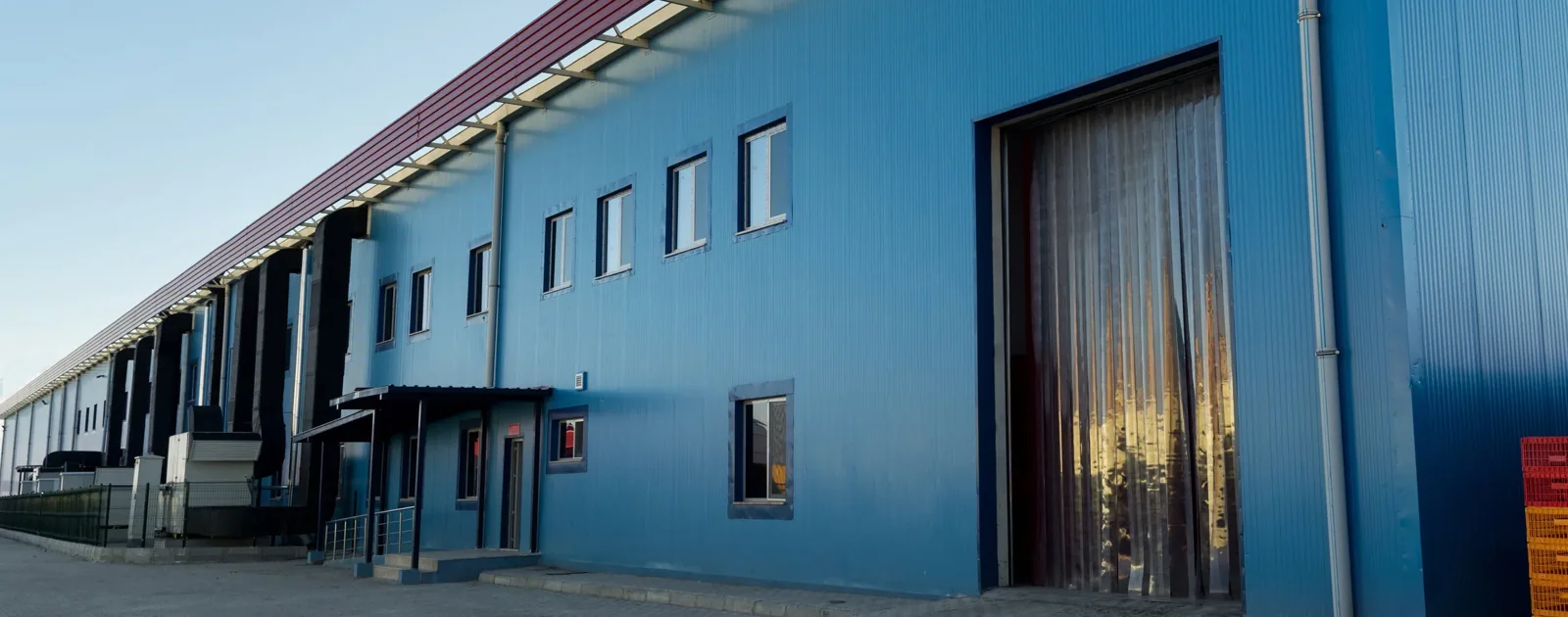
What is on a church roof besides the sanctuary?
A church campus is rarely one roof. A high sanctuary often sits beside a lower fellowship hall, classrooms, an office wing, a covered entry and sometimes a bell tower or steeple. Each section has its own pitch, material and age, and the places where they meet are where water gathers: a low roof butting a tall wall, a valley between two gables, a flashing at a chimney or cupola.
The city's plan says much of its building stock has been built since 1980, which tells us a campus may be younger than a congregation's history suggests, but additions are common and each addition adds a seam. We read the plans where they exist, make test openings where they do not, and mark each roof section on a drawing so that the board sees one building, not a guess.
Can roof work avoid services and events?
Most congregations hold services on a fixed weekly rhythm and use the building for funerals, weddings and community meetings in between. Roofing noise carries into a sanctuary through a thin deck, and a crew on a low-slope section above a classroom wing will be heard in the room. We ask for the full calendar and plan the loudest tasks for the stretches when the building is empty.
Weekend and holiday periods are protected. Material is staged where parking and entrances remain open, lifts are moved aside before services begin and each section that was opened is dried in before we leave. If a funeral is scheduled on short notice, we pause and tell the pastor or administrator exactly what is open. The occupied-building approach we use for offices applies here with a different calendar.
Parking is part of the plan. A crane or boom lift needs room, and the same lot is where the congregation arrives. We mark the staging area on a site sketch, keep an accessible route to the entrance open and move equipment back before the next gathering.
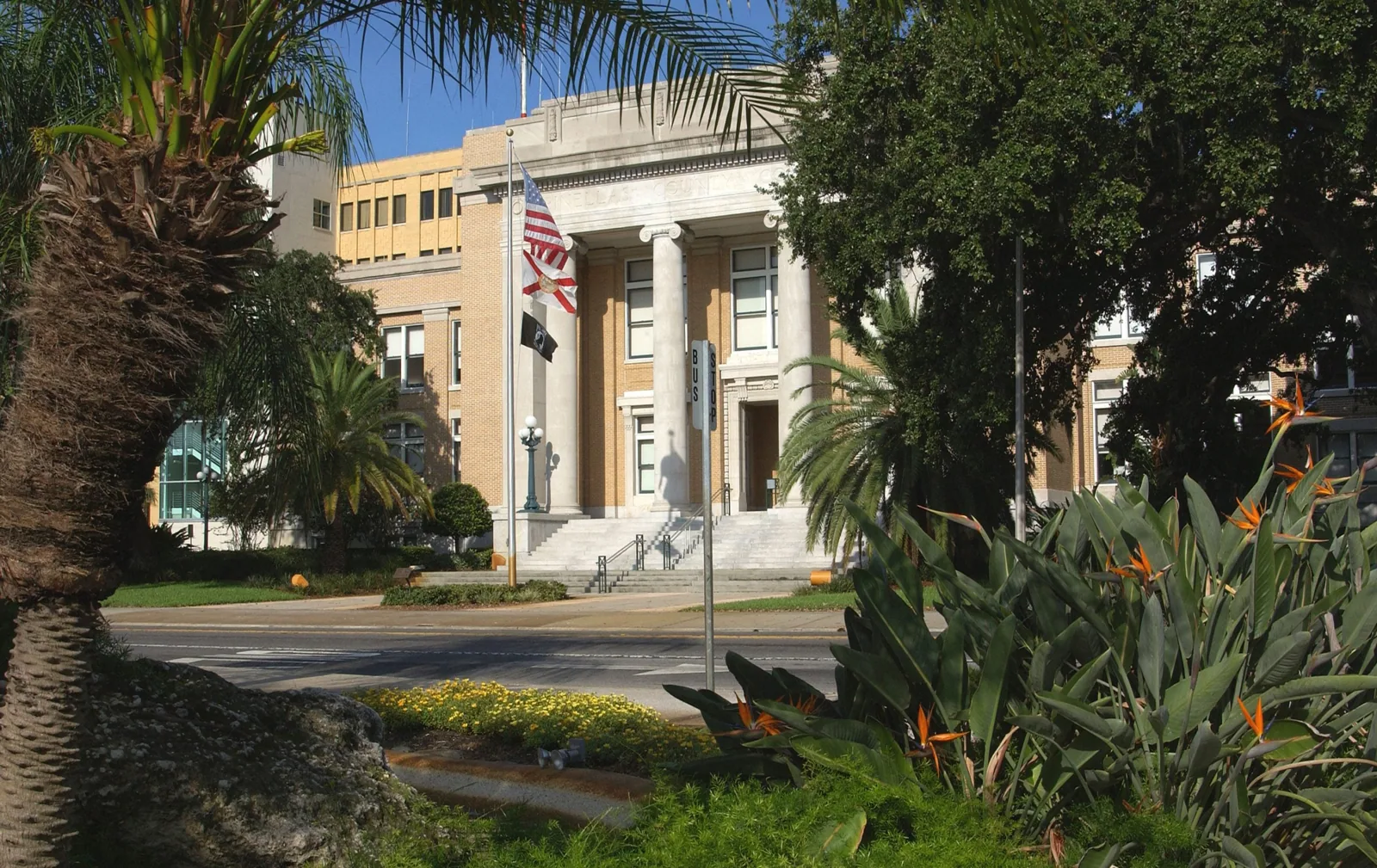
What does desert heat do to a sanctuary roof?
The July daily maximum at NOAA's St. George station averages 101.9 degrees, with August close behind at 99.9. No rooftop was measured, but a steep metal roof on a tall sanctuary can run very hot and expand and contract through the day. Fasteners back out, sealant dries and splits, and panel seams shift. We look at exposed screws, ridge caps, trim and the sealant around penetrations first.
On a standing seam metal roof, clips and seams move with temperature, so we check that panels are free to move and that no fastener is binding them. On a low-slope section, we look for blisters, open seams and brittle membrane. The heat is the reason for an early start. Crews begin before the metal is too hot to touch and finish before the afternoon peak.
Light matters inside as well. Clerestory windows and skylights over a sanctuary pass heat and glare, and a failed seal around the glazing shows up as fogging or a ring of stain on the ceiling long before it drips. We note these early signs in the report so that they can be scheduled before the next storm.
Where do skylights, steeples and valleys leak?
Water prefers a detail to a field. A skylight curb, a flashing at a steeple base, a valley that carries two roof planes into one channel and a downspout that ends behind a wall are the usual entry points. Dry weather hides them. After a long dry spell, dust and grit gather in valleys and gutters, and the first heavy storm turns that debris into a dam.
We check skylight and penetration flashing by hand, probe sealants and trace any ceiling stain back to the nearest detail. The February normal of 1.38 inches is the wettest month at the St. George station, so winter is a good time for a drain check. Congregations that clear their valleys and gutters before February tend to find fewer surprises in March.
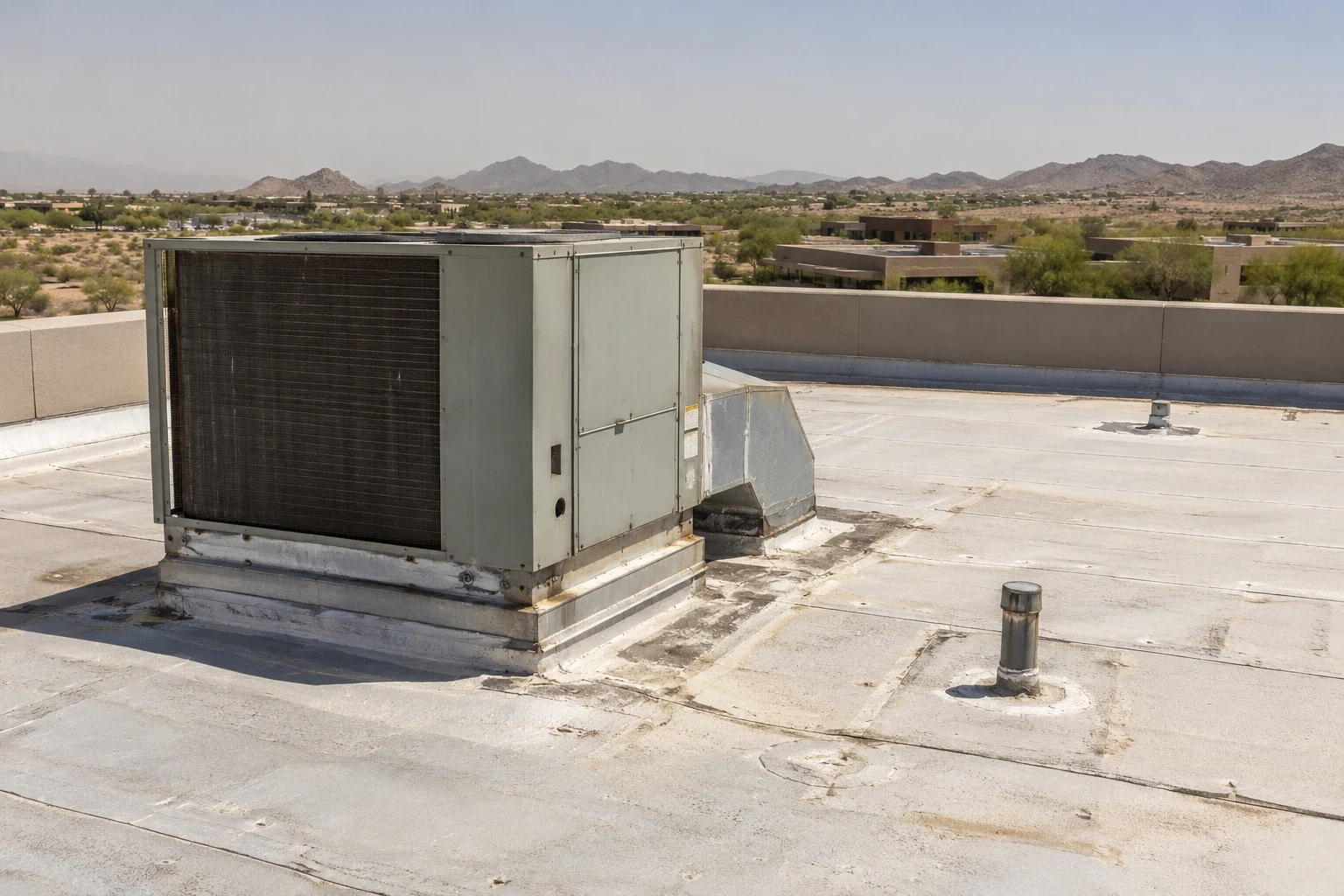
Repair, coat or replace: how does a board decide?
Boards ask for a number, and the answer starts with moisture. If insulation is dry and the surface is worn but sound, a restoration coating may extend the roof. Our roof coating restoration notes explain what a coating needs from the surface beneath. If the deck or insulation is wet, a coating hides a problem and a section replacement is the safer choice.
The written scope gives each option a price range and a likely service life, with the cost drivers named: access, roof height, steeple work, removal, insulation and flashing. Two code points matter to a board. Utah has adopted the 2024 International Building Code, and its energy provisions (the 2024 IECC with ASHRAE 90.1-2022) become mandatory on July 1, 2026. Our scope names the edition it assumes, so the board and the building official read the same page.
What should the trustees keep afterward?
Trustees change, and roof knowledge leaves with them. We provide a roof condition report with dated photographs, a drawing of each roof section and a ranked list of repairs. A new facilities chair can pick it up and see what was found and what was done. Where a congregation holds a day school or preschool, the classrooms get the same care as a school roof, and a congregation that rents space to a public agency borrows the record-keeping used for public buildings.
Congregations in Santa Clara, Ivins and Washington City, and those along St. George Boulevard, are reached by the same planning steps. The named roads and communities work as dispatch references, and exact roof access is confirmed onsite. Because a congregation may own land and buildings in more than one of them, we keep each campus on its own plan and its own page of findings.
Commercial Roofing Questions
Is a steeple repair different from a field repair?
Yes. Height, access and the flashing at the base change the work. We plan fall protection, hoisting and weather windows separately and price the steeple on its own line.
Can volunteers help with roof work?
Volunteers can clear debris and move furniture. Work on the roof itself needs trained crews and fall protection, and we recommend keeping volunteers off a roof that is open.
How long does a metal sanctuary roof last in this heat?
Panels can last a long time, but fasteners, sealants and trim wear sooner. Condition matters more than age, and we judge it with an inspection of seams, clips and coating.
Will a funeral or wedding stop the work?
We pause for scheduled events and dry in anything open. Give us the calendar early and the loudest work will land in empty weeks.
What if the board has no roof records?
We build them. A walk, test openings and dated photographs produce the plan and the layer list that a future repair or warranty claim needs.