
National Guard Armory Roofing in St. George, UT
National Guard Armory Roofing Overview
An armory runs on a drill calendar, and a roof project has to fit inside it. In St. George, UT, the Utah National Guard's installation plan locates the St. George Armory in the Fort Pierce Industrial Park and says the site supports weekend individual duty training and weekday use of its field maintenance shop. That rhythm is the first constraint on any roof plan: the building is busiest when most contractors would prefer to be working, and quiet when a crew can move freely.
The roof plan, the access rules and the unit's calendar are where we start. What the facility manager receives is a written scope, with confirmed conditions kept apart from open questions.
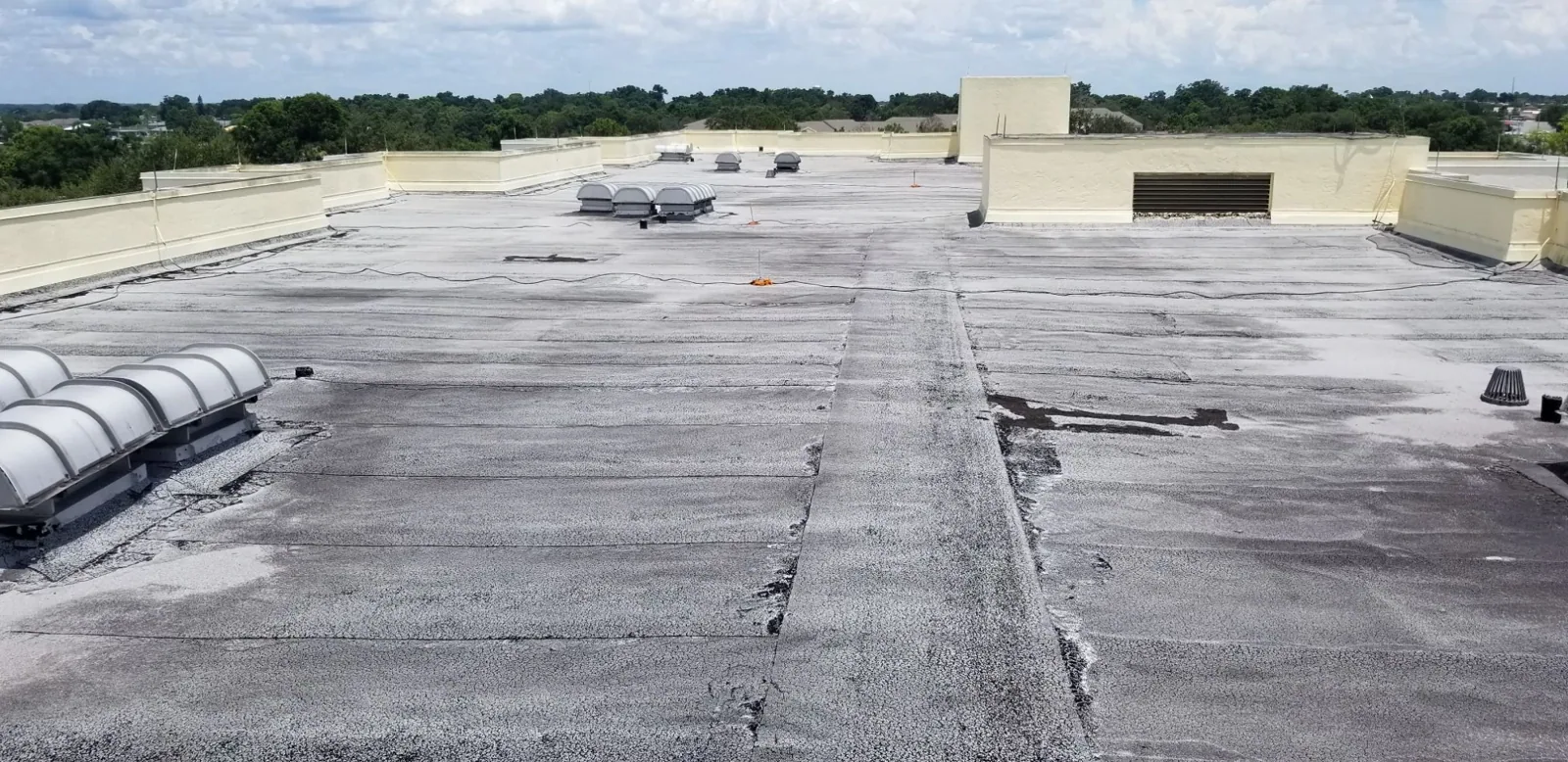
What buildings make up a readiness center?
The same plan says the armory building and its organizational maintenance shop were completed and occupied by 1993, and that the shop is now identified as Field Maintenance Shop 5b. A building's completion date tells us when it opened, not what its roof is today. Roofs are patched, recovered or replaced over thirty years, and only a test opening or a record review shows which layers are there. The plan also says the site does not establish a flying mission, barracks, depot or large logistics campus, which keeps the roof questions to administrative, training and shop buildings.
A readiness center typically combines drill halls, classrooms, offices, storage, vehicle bays and a maintenance shop. Each can have a different roof height and system. Shop roofs carry exhaust and heating equipment; drill halls have long spans and few interior supports; offices have rooftop units. We walk each in turn.
Vehicle bays and shop doors set up their own roof questions. Large overhead doors have headers and jambs that move with the structure, and flashing at those points tends to crack. Exhaust fans over a maintenance shop send heat and fumes up through the deck, and curbs there wear faster than the field of the roof. We check them first.
How is roof work scheduled around drill weekends?
Drill weekends are fixed, and the unit cannot move them for a roof. We ask for the training calendar and mark off every drill weekend, annual training window and inspection date. Weekday work in the maintenance shop is also constrained by the shop's own schedule, so roof sections over active bays are worked with spotters and protection below.
Quiet weeks between drills are the working window. We schedule tear-off and heavy lifting for those weeks, and light inspection and repair for the days when personnel are present. Each open section is dried in at day's end. For a unit with strict training dates, an occupied-building reroof is divided into stages that each end in a watertight roof.
Weather windows matter as well. Because rain is rare and short, a crew can plan long dry stretches, but a surprise storm over an open drill hall damages floors and equipment. We keep a forecast watch, stage temporary dry-in materials at the roof edge each day and agree with the facility manager on who makes the call to close an area.
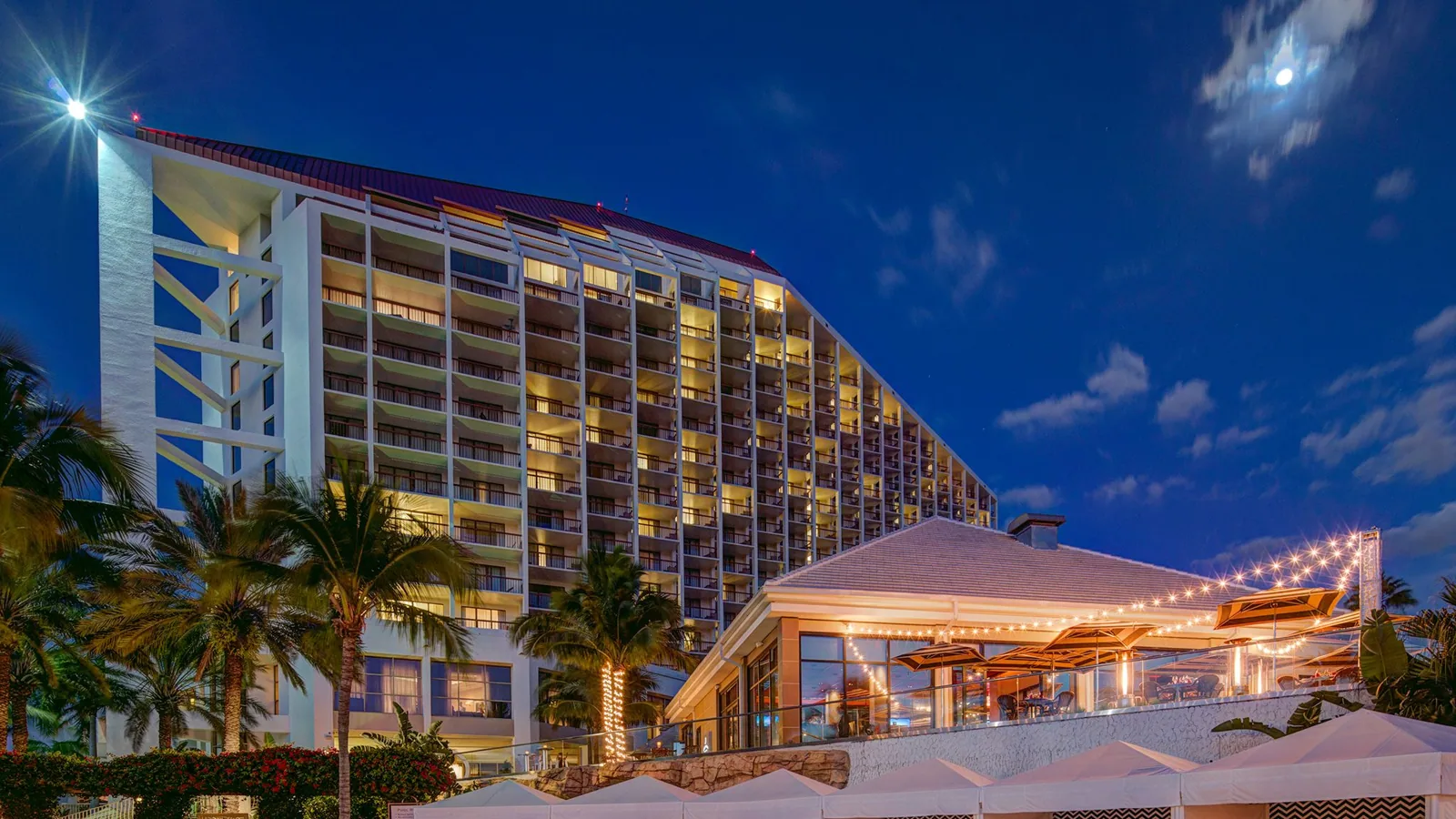
What do access and security rules require of a crew?
Armories are secured sites. Crews may need advance rosters, identification, an escort, vehicle inspection and limits on photography or phones on the roof. Some interior spaces are off limits. We ask for these rules before the schedule is set and build lead time for badging into the plan. A named supervisor carries the access list and signs crew members in and out each day.
Roofing on military property generally follows the Unified Facilities Criteria, and our installation roofing approach reflects that. What a crew should expect, and how we plan around it, goes to the facility manager in writing so the unit can be briefed.
Material deliveries follow the same rules as crews. Trucks may need inspection at the gate, so we send manifests ahead of time and schedule deliveries for the hours when the gate staff expect them. Hoisting points and laydown areas are chosen to stay clear of vehicle movements, fuel storage and training areas.
What does summer heat do to a shop and a drill hall roof?
St. George normals from NOAA average 101.9 degrees for the July daily maximum and 99.9 for August. Averages for the city cannot stand in for a roof reading, yet they explain an early start, shaded staging and water breaks on the roof. It also explains why a roof over a vehicle bay or drill hall may run hot inside, and why a reflective cool roof surface is worth pricing as an option.
The same heat works on the roof itself: seams open, sealant dries and metal fasteners back out. We record these signs with dated photographs, noting the time of day, so that a facility manager can see the roof in the same light on the next visit.
Light-colored surfaces also reduce glare and surface heat for crews working on repeat visits, and they can lower interior temperatures in a drill hall without air conditioning. The gain depends on insulation and ventilation, so we state it as an option to price, not a promise.
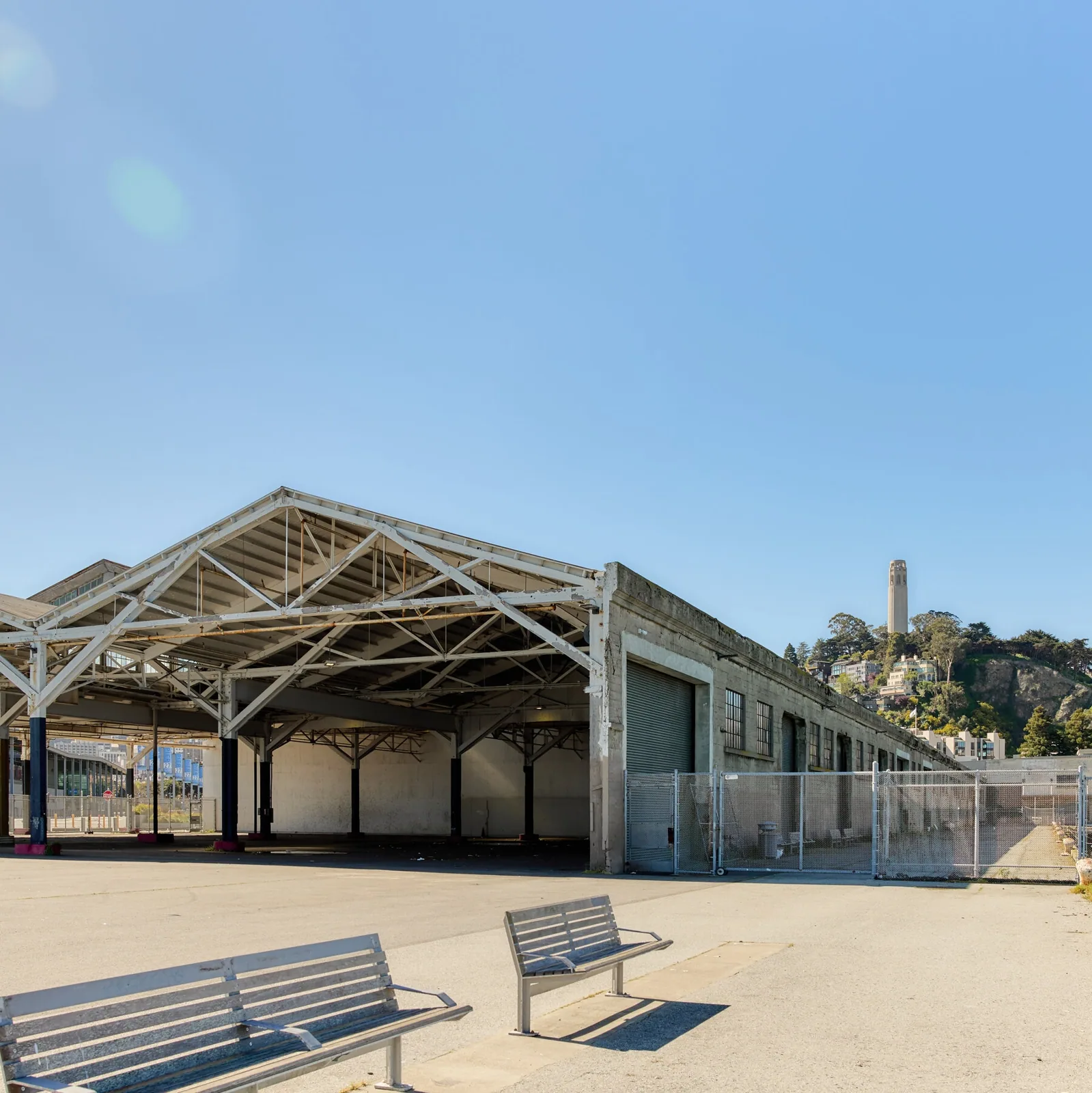
What goes into a repair or replacement scope?
A good scope lists each roof section and its layers, the work planned, what is excluded and unit prices for hidden items such as wet insulation. Roof drainage is documented, since a blocked outlet over a vehicle bay is a safety question as well as a roofing one. A drain and scupper check goes into every walk.
Local code still sits under any facility rules. The 2024 International Building Code is Utah's adopted base, and the state energy listing cites the 2024 IECC and ASHRAE 90.1-2022 for statewide enforcement beginning July 1, 2026. Federal and state facility rules may go further, and the scope records our assumptions for the owner to confirm. Precipitation totals only 9.31 inches a year, so storms are brief, but a few minutes of heavy rain on a clogged roof can cost days.
Unit prices let the facility manager handle surprises without a change-order fight. If a core cut finds wet insulation, the scope already states the price per square foot of removal and replacement, and the manager can approve a section on the spot.
How does a state agency plan roofs across sites?
A state military department with several sites needs comparable numbers. A roof condition report for each site lists layers, condition, remaining life and options, and a capital plan ranks the roofs by urgency and cost. Sites close to the Fort Pierce Industrial Park, or on the I-15 side of town, share dispatch references, and exact access is confirmed onsite.
The same records serve a city's government buildings and the VA outpatient clinic in the River Road area, which is a different kind of roof with different access rules.
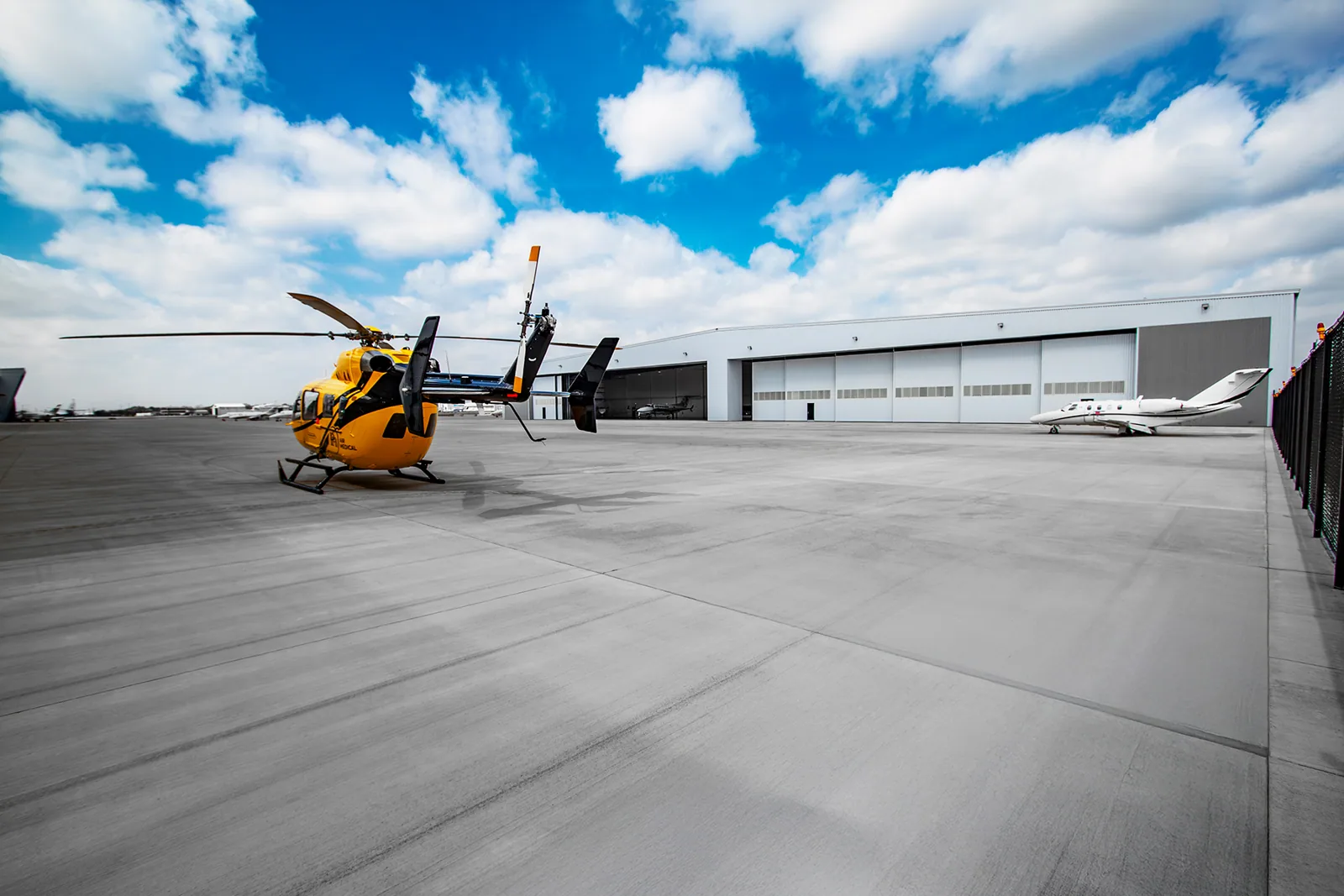
Commercial Roofing Questions
Can roof work happen during a drill weekend?
We avoid it. Quiet weeks between drills are the working window, and light inspection can fit around weekday shop hours.
How long before a project does a crew roster have to be submitted?
That depends on the site. We ask for the lead time at the start and write it into the schedule, with a supervisor carrying the access list.
Does the building's age tell us the roof's age?
No. A building completed by 1993 may have had its roof patched, recovered or replaced since. A test opening or records review shows what is there.
What standard applies to roofing on a military site?
Specifications often follow the Unified Facilities Criteria for roofing, together with local code and the site's own rules. We confirm which apply before pricing.
What if a leak develops over a vehicle bay?
The opening is sealed or tarped first, the bay is protected and the source is recorded. A permanent repair comes after the area dries and access is cleared.